
Science & Magic | 16
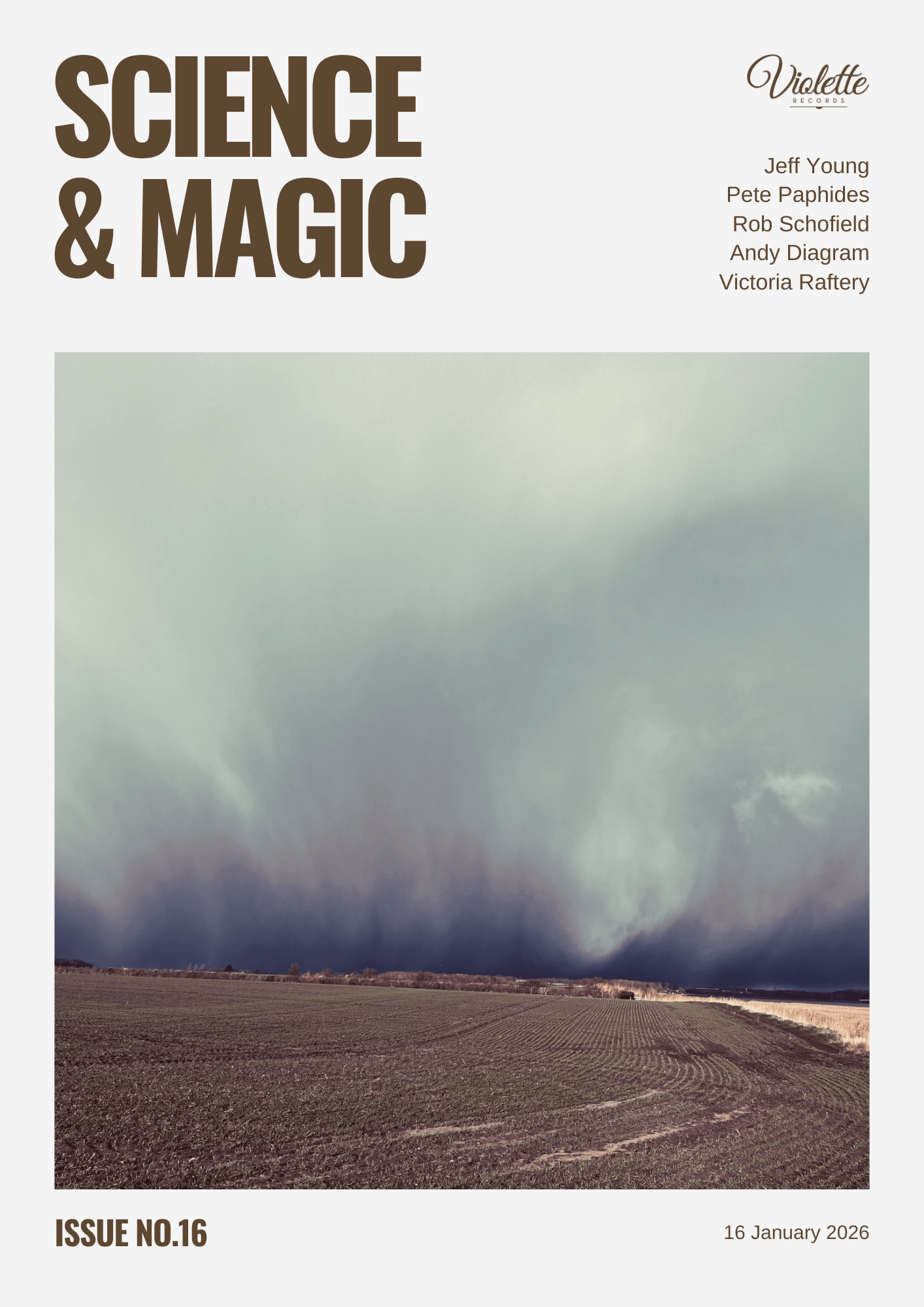
There's a quiet clarity that arrives in the first few weeks of January. The forced, frantic optimism of New Year's Eve has evaporated, the resolutions have already begun to fray at the edges and you are left in the cold, stark light of the year itself. It is a time for taking stock.
For me, this year, that stock-take has been defined by a renewed, almost painfully sharp, awareness of the sheer, terrifying fragility of it all. We spend our lives building what feel like permanent structures - careers, relationships, meticulously organised record collections - only to be reminded by some sudden, brutal event that we are all just living in temporary sandcastles and that the tide can come in at any moment.
I suppose that's the real lesson, isn't it? The one we learn and re-learn with every loss, every scare and every near-miss. It’s a simple and profound truth that the only thing that truly matters is the people you are sharing this brief, strange and often ridiculous journey with. The people you can call at 3am. The people who know which song will make you cry and which one will make you dance. The people you hold close.
This newsletter, in its own small way, is our testament to that idea. It is a collection of voices, of shared passions and of quiet connections made across time and space. It’s a reminder that even in a world that feels increasingly chaotic and uncertain, there is a profound, life-affirming beauty in the simple act of reaching out and saying, "I found this, and I thought you might like it."
So, as we step into the uncertainty of another new year, let's hold that thought close. Let's keep our loved ones closer.
Welcome to the first edition of 2026.
Matt
Ten Questions
by Andy Diagram
For over four decades, Andy Diagram has been a kind of secret architect of British alternative music. As a trumpeter, his unique voice has been a constant, connecting thread through an almost bewilderingly diverse range of projects. He was there in the post-punk energy of Diagram Brothers and Dislocation Dance. He was a key part of The Pale Fountains' classic albums Pacific Street and From Across the Kitchen Table. He lent his horn to Michael Head & The Red Elastic Band. And, most famously, he has been an essential, recurring member of James, from their popular peak in the early '90s to their ongoing, triumphant tours.
He is a musician who has always operated on his own terms though, whether diving into the experimental avant-garde with The Honkies, collaborating with the legendary David Thomas of Pere Ubu, or creating vast soundscapes with his own much-acclaimed band, Spaceheads. Their brilliant new six-track EP, Go Wild - recorded in a barn on a Cheshire farm and capturing the ‘rough edges and intensity’ of their live playing - is out now.
We invited Andy to select ten questions from our archive. His answers provide a glimpse into the musical map of a man who has always found new, strange and beautiful ways to make his instrument speak.
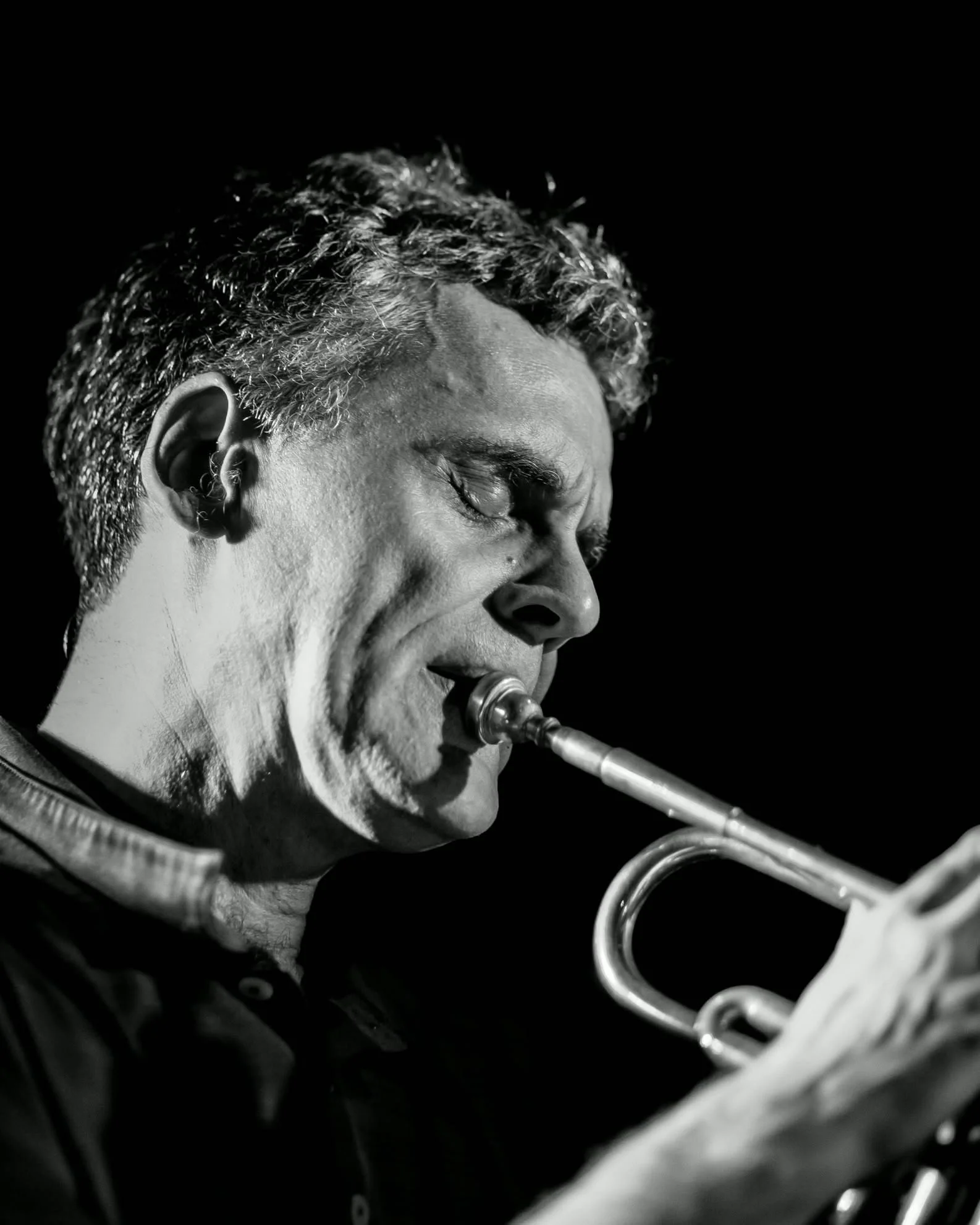
Leaf, Liverpool
● What song is permanently fused to a specific place or holiday—to the point where hearing it transports you instantly?
'Rock Your Baby' – George McCrae takes me instantly back to being in hospital for six weeks in the summer of 1974. As a 15-year-old I was confined to bed for an operation on my leg and on very strong pain killers. The radio was playing all day on the ward and George McCrae and other songs of that summer - 'Kissin’ in the Back Row' – The Drifters, 'You Make Me Feel Brand New' - The Stylistics, 'Young Girl' – Gary Puckett and the Union Gap - take me right back to lying in that bed with a fluffy pink tinge surrounding my vision from those opiates they gave me.
● What song became the anthem of your first teenage friendship group, played endlessly during that one unforgettable summer?
Not the summer exactly but in Sept 1972, me and select friends from school who were into prog rock went to see ELP and Genesis at the Oval Cricket Ground, Melody Maker's award concert. The surprise act and newcomers stole the show. The Dutch band Focus played their song ‘Hocus Pocus’. It was unknown and being in a crowd of, I guess around 5,000 people hearing that for the first time was incredible. Me and my prog rock mates at school bought the record and would sing the yodel for the rest of that year.
● Which person most shaped your musical taste before you turned 18, and what specific record or gig did they introduce you to that changed everything?
Maggie Nicols is a singer on the UK improvised music scene, and she lived upstairs in the block of flats I grew up in Central London. I used to go and babysit for her and hang out with her and her mates. She introduced me to a whole new musical world of free improv. Just spontaneously making vocalisations like a made-up language on the spot. She would take me to strange gigs in the back rooms of pubs where people would make what we referred to as “plinky plonk” music. She also introduced me to amazing South African musicians like Dudu Pukwana and Louis Moholo who were active in London at the time (mid 1970s) as exiles from Apartheid South Africa.
● If you could time-travel to witness one musical moment in history, when and where would you go?
It would have to be the Woodstock festival in 1969. A generation-defining moment that defined music festivals all the way to today… and some of the performances were equally powerful. I am thinking of Jimi Hendrix playing 'Star Spangled Banner' with all that distortion and wails and explosions that people say represent the US bombs over Vietnam at the time…and that set by Sly and the Family Stone…mind-blowing.
● What's your go-to song for pure, uncomplicated, turn-it-up-and-dance joy?
Sly and the Family Stone - 'Dance to the Music' has to be one of the most uplifting pieces of music ever!
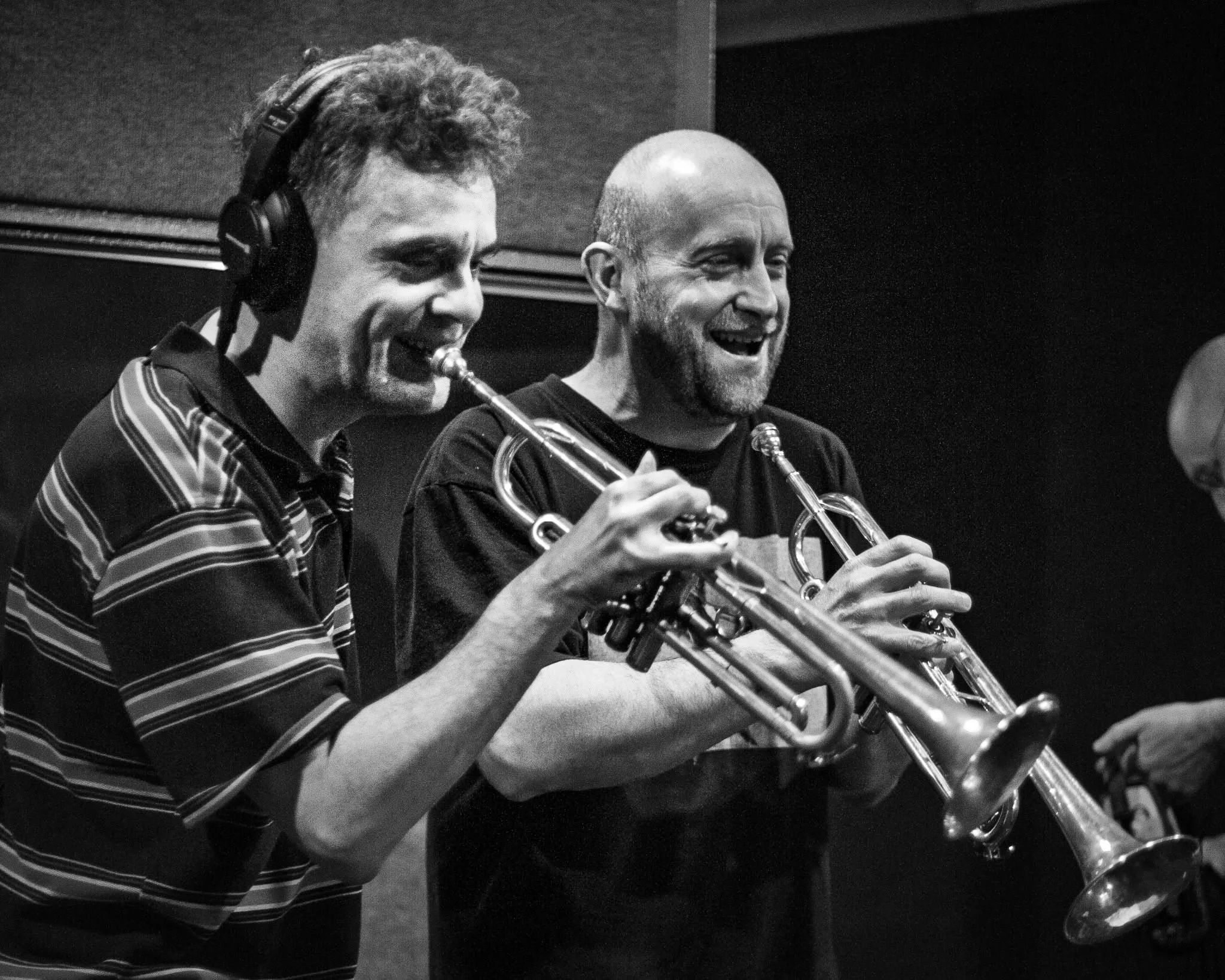
Andy with his friend, Martin Smith, recording Artorius Revisited in Liverpool.
● What's your favourite sound that isn't music?
For me you can’t beat the sound of waves crashing onto a beach. I can lay there and listen for hours as the repetition soothes my soul. So relaxing, yet so noisy. So much detail in the sound, each crash slightly different, but the same.
● What's a single line from a song that has stuck with you like a mantra or piece of life-changing advice?
I have performed with the band James since 1989, and our most famous song “Sit Down” has the line “If I hadn’t seen such riches I could live with being poor”. I think Tim Booth is a very underrated lyricist, and I have seen his words touch people in a much deeper way than the actual music we play. “If I hadn’t seen such riches….” is such a clever line and for me sums up how in today’s world we are all seduced into wanting more rather than enjoying what we have.
● What's your favourite song from a film soundtrack?
The Good, the Bad and the Ugly – Main Theme by Ennio Morricone. Amazing orchestration and sounds all the way through, from wah-wah vocals, whistling, and choirs chanting. It creates such a unique atmosphere and those trumpet fanfares at the end! …Wow!
● Which song lives in your memory word-for-word that would raise eyebrows if you suddenly performed it flawlessly at karaoke?
I won a copy of 'Lola' by the Kinks at a children’s Christmas party. It was one of my first records and I played it endlessly. I have sung it at karaoke, but I can’t look at the words that come up as they are not the words I sung as a kid. I didn’t know the official lyrics so would sing my own version of the words…flawlessly of course!
● What instrument do you wish you could play but have never learned?
I love the trombone, its rich brass sound and that slide! I can't play it as the mouthpiece is a different size to the trumpet and it messes up my embouchure (lip muscles).
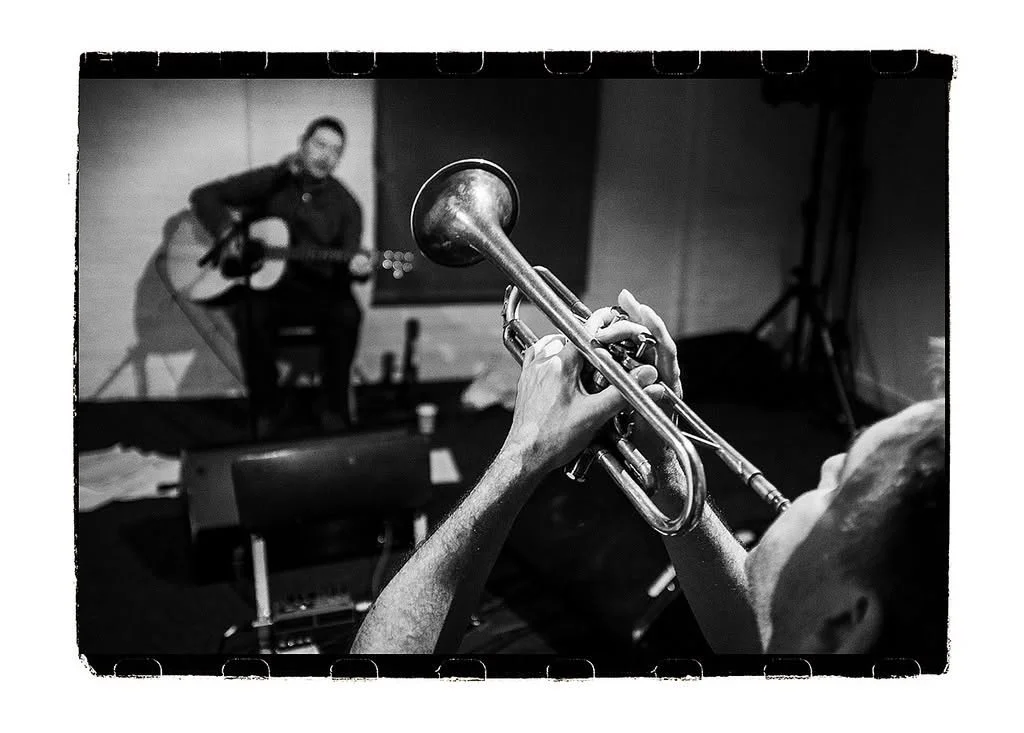
Elevator Studios, Liverpool
Photograph by Julien Bourgeois
Magnetic North
by Jeff Young
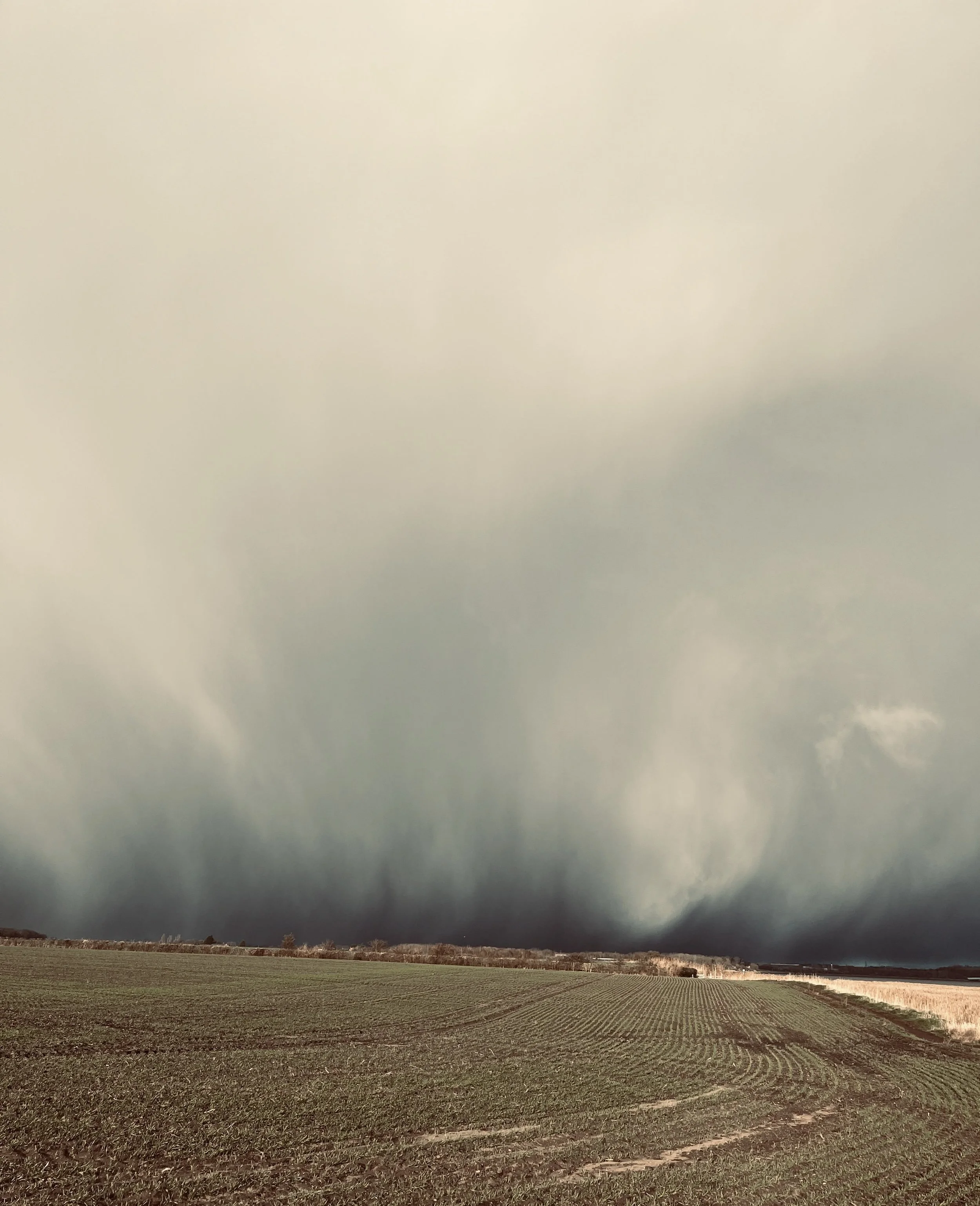
16 : Strange Weather
I spend a lot of time worrying about pangolins. I’m worrying about bears in cages, saddened by a photo of an octopus in distress, I’m shedding tears over elephants in circuses, I’m horrified watching footage of a woman being shot in America. I’m scared of the future and anxious for my daughter in the world to come. What happened to the local foxes? I’m watching a war. I’m watching a war. Why haven’t I seen our neighbour Francis? Where is the owl?
Anxiety. I’m trying to write – in Matt Lockett’s words - ‘a new, and likely unsettling, map of the city’s emotional geography.’ I don’t know quite how to do this right now. I’m worried about the heron in the park, I haven’t seen the magpie today, I haven’t seen the man who feeds the crows. I listen to Bill Evans. I listen to John Coltrane, the magic that usually works but not on this occasion.
And so, we go for a walk along the river. Out of the city, away from my usual territory. I want to have a think about the quietness of the Mersey, about what the river means when there are no ships, but instead I am transfixed by light. I watch the weather coming in and feel hailstones on my face and then I see the sky.
On a curtain of heavy cloud, I see a wisp of silver, hanging from the fabric of heaven like a loose thread suddenly blown away on the wind. And it feels like I’m watching a thread of anxiety - or perhaps anxiety is attached to the thread - and as it blows away and disappears the sky becomes a smudged Rothko sliding down its canvas. And then it seems to be alive...
A pause –
It’s as if the sky is thinking, wondering how to proceed into the rest of its day, accumulating materials, wondering what weathers it will use. And then, suddenly, as I watch and wait it makes its decision and chooses to use everything at its disposal. It erases heaven. It conjures winter storm. The curtain of the sky lifts away from the ground, revealing a black daubed, sombre, beautiful void. Here comes sleet, hail, snow...
It’s not just weather. It’s a psychological event.
Here in the bleak midwinter, in the sleet and wind, hailstones stinging my cheeks and eyelids, the path beneath my boots becomes white in an instant and the overwhelming beauty and strangeness of the weather causes everything to fall away.
And I walk slowly, smiling, into the strange weather, away into the wonders of the dark.
— Jeff Young, 14 January 2026
—
Jeff Young is, quite simply, a master. As the current holder of the prestigious TLS Ackerley Prize for his memoir Wild Twin, he has been rightly celebrated as one of our finest living writers. For us, he is more than that; he is the quiet, constant soul of this newsletter. Each fortnight, he takes us by the hand and leads us through a version of Liverpool that only he can see - a city of ghosts, of memory, of dreamlike portals where the mundane becomes mythic. His work is not just read, it is felt. It is a gift to be able to share his dispatches with you, and a privilege to be a small part of his extraordinary journey.
The Paphides Principle
In the quiet, often thankless, work of cultural archaeology, Pete Paphides is one of the masters. He is a writer who can find the ghost of a forgotten melody in the liner notes of a record everyone else dismissed, a man who understands that the B-side often tells the more honest story than the hit.
His fortnightly dispatch for us is an ongoing attempt to apply that same deep, forensic listening to the relentless churn of the new. This is his latest discovery, rescued from the cacophony.
Tom Henry- ‘But I Loved Her’
So there I was stupidly harbouring the belief that all the permutations of devastatingly concise couplets in unrequited break-up songs had been claimed:
“It must have been love
But it’s over now”
“Why she had to go, I don’t know
I couldn’t say”
“I can’t live
If living is without you”
“Your arms were like a little paradise
But your arms have changed”
There’s four right there, off the top of my head. All taken. But then, a few months ago, I heard this song from the debut album by Tom Henry, Songs to Sing and Dance To. If I hadn’t been so swift to be wrong before, I wouldn’t hesitate to pronounce this the last low-hanging piece of fruit on this particular tree. Tom was born in Chicago and moved to LA, where my oldest daughter Dora was conveniently located for all of November 2025. Well hey, I must have done something right because days before her return, she called me and said, “Dad! I’m off to Amoeba! Is there anything you need?” Angels exist in real life and on Christmas Day, despite telling me that the album wasn’t in stock, it turned out that Dora had tricked me.
“SURPRISE!!” Which means, given that Songs to Sing and Dance To has yet to get a release in the UK, I might conceivably have the only copy in the land (although that might change now). Because here’s Tom, singing his sweet sorrow in an upper register borrowed from a young Paul McCartney, backed by the ghosts of Grand Prix-era Teenage Fanclub:
“She said ‘One day someone will love you the same’
But I loved her”
Oh Tom. You might never get her back, but if it’s any small consolation, you’ve earned yourself a place in my Rock n’ Roll Hall of Heartache.
Buy : https://bigstartom.bandcamp.com/album/songs-to-sing-and-dance-to
—Pete Paphides, 31 December 2025
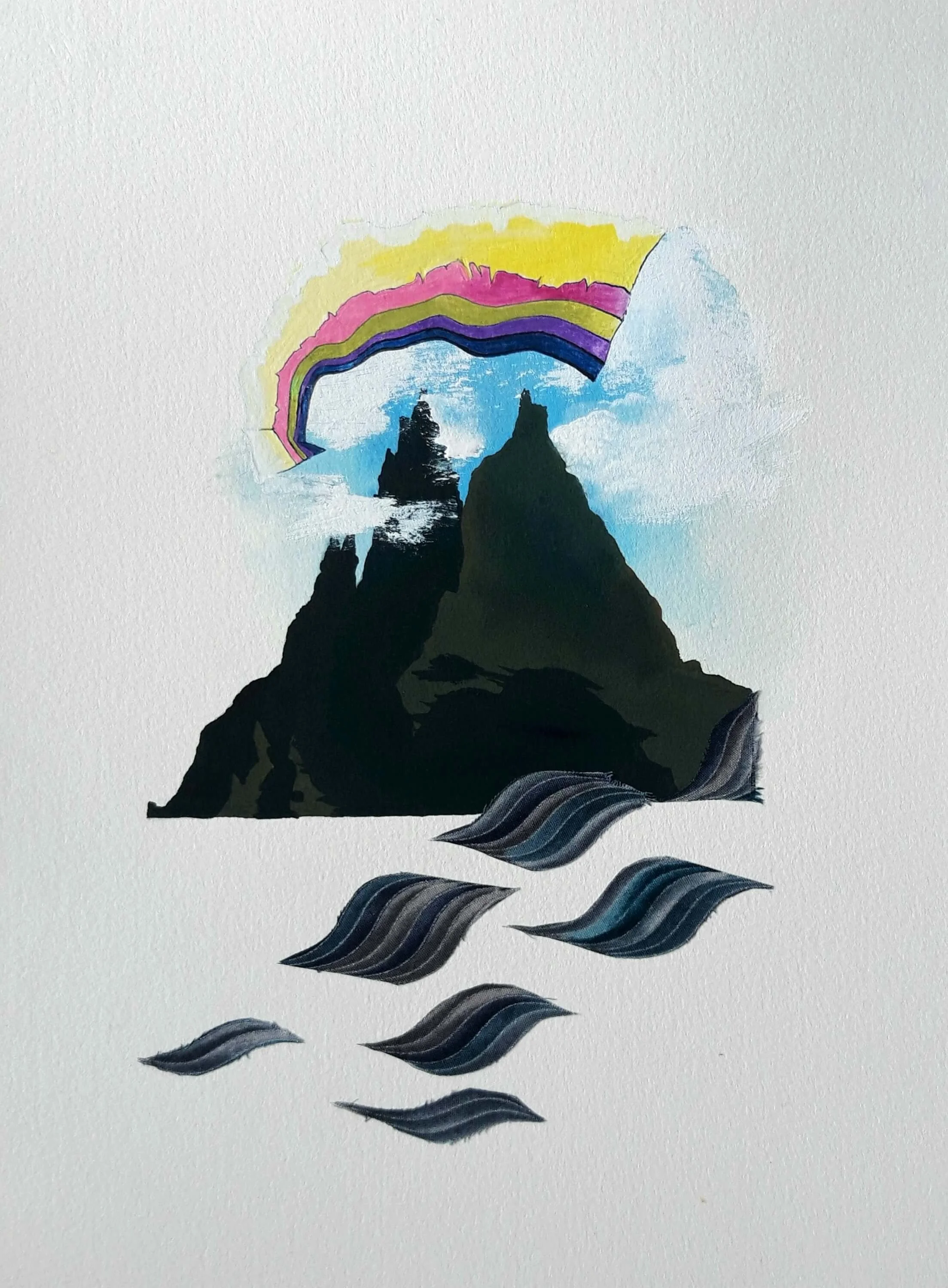
How Does a Landscape Feel When It Is Dreaming of a Different Sky?
by Eimear Kavanagh
—
Eimear Kavanagh is the artist who treats landscapes as conscious entities with their own secret lives. She believes that every mountain, field and river is engaged in the constant, silent act of dreaming, imagining a different version of itself under a different sky. Her work here documents these dreams. She has recently been experimenting with a process she calls "reverse painting," where she applies a thick layer of black paint to a canvas and then slowly, meticulously scrapes it away, believing this is the only way to reveal the image that has been dreaming of itself underneath.
A Luminous Sound, a Melodic Rebellion : A Conversation with Discover
Sometimes, a name can be an act of beautiful defiance. In an age of algorithmic optimisation, calling your band Discover feels less like a branding decision and more like a playful rebellion against the very idea of being easily found.
Welcome to the world of Olivier Albert Brion, the Parisian melodist behind the project. For twenty years, he’s been crafting songs that feel like transmissions from a fantasised, sun-drenched California, the place where the melodic genius of The Beach Boys and the gentle melancholy of Laurel Canyon might coexist in perfect harmony. His music is a journey across time and space, a collection of bittersweet ballads and luminous harmonies that feel both instantly familiar and entirely new.
On Tuesday, 27th January, Discover will make the journey from Paris to play our sold-out La Violette Società in Liverpool. Before they arrived, we had a conversation about the ghosts of musical history, the rebellious act of choosing a name that challenges the algorithm, and the strange, beautiful feeling of knowing a song you wrote in Paris has found a home in a McDonald's in Osaka.
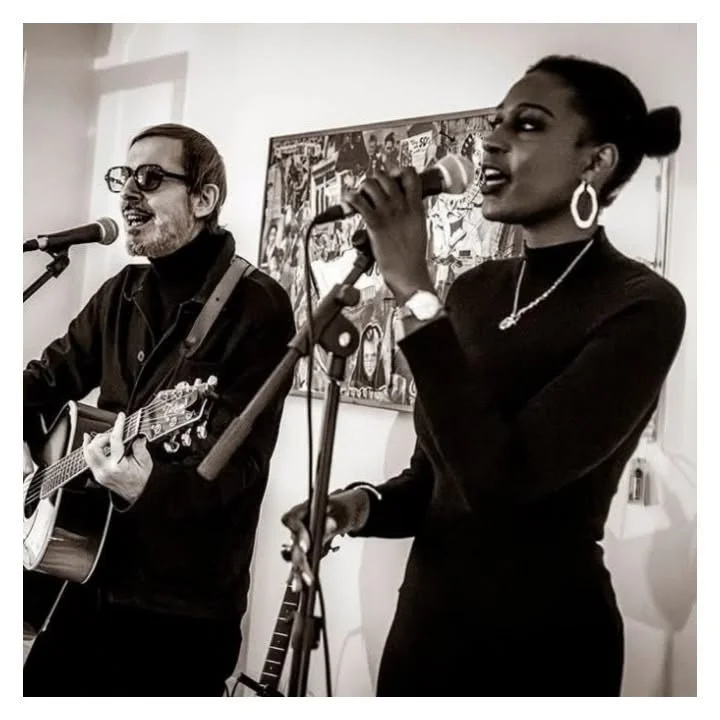
The name of your band, Discover, is a beautiful and optimistic word. But in the age of algorithms, it is also almost impossible to search for online. Was this a deliberate act of conceptual art or a quiet rebellion against being easily found?
Thank you — that’s an extremely pertinent question. The Discover project was born at the very beginning of the century, long before algorithms became an issue. I released two albums under that name in 2002 and 2004, at a time when the idea of searchability simply didn’t exist in the way it does today. When, almost by chance, I decided to follow up California Songs twenty years later, I kept the name without really thinking about the consequences (smiles). But I have to admit — I quite like the idea of rebellion.
Your new album, California Suite, returns to a 'fantasised' America you first explored twenty years ago. What is it about this specific, imagined version of California that you keep returning to?
Indeed, I fully embrace the idea that today’s California is a dream California — one that no longer really exists. It’s a kind of land of plenty, a utopia. But perhaps that’s inevitable. We often need to make our own arrangements with the world, with reality, in order to survive. Music is one of those arrangements for me — a space where imagination can soften what’s harsh, and where ideals are still allowed to exist.
You've said that after a certain point, a songwriter becomes their own influence, with their own codes and ways of arranging songs. Can you describe a moment in the making of this album where you felt you were in a direct conversation not with your heroes, like The Beach Boys or Crosby, Stills & Nash, but maybe with a younger version of yourself?
You’ve hit on a key point. I hadn’t really thought about it in those terms, but that’s exactly right. With experience — both in songwriting and in understanding arrangements - you stop consciously thinking about influences, even though you know it’s inevitable to be associated with certain musical families or styles. At some point, those references become internalised.
What really resonates, though, is adolescence - something you never fully leave behind when you’re a musician. That period of intense listening, of discovery, of emotional openness. When I was working on California Suite, especially on the vocal harmonies, I sometimes felt I was reconnecting with that state rather than referencing any particular artist. It wasn’t nostalgia, but continuity.
I think I could sum it up with the song ‘Bookends' by Paul Simon, from the album of the same name: “Time it was, and what a time it was… a time of innocence, a time of confidences.”
That idea of preserving memories — not as frozen images, but as something alive — feels very close to what songwriting still is for me today.
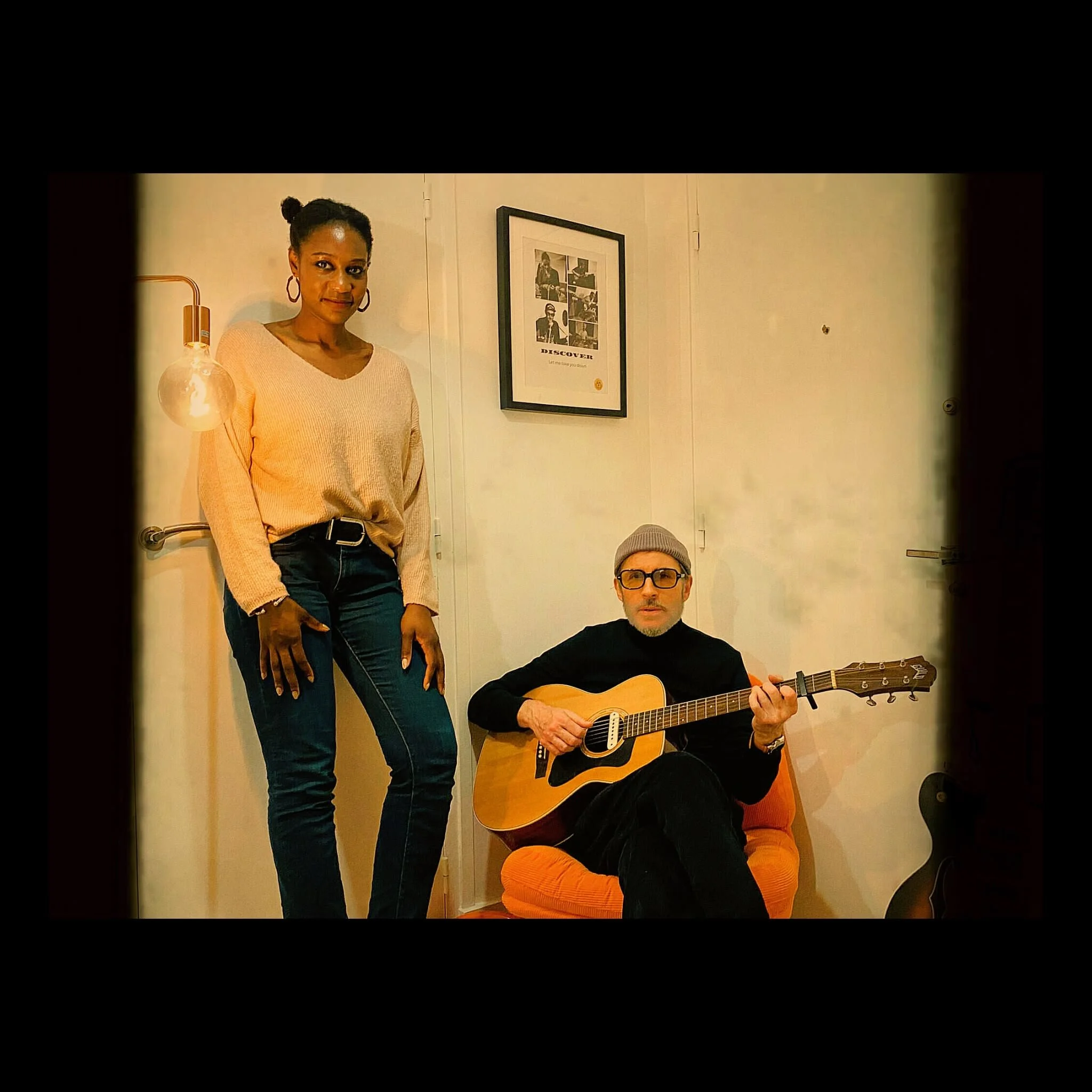
You will be making the journey from Paris to play our Società in Liverpool later this month. How does a city's musical history - whether it's the 1960s Merseybeat of Liverpool or the 'yé-yé' sound of Paris - imprint itself on the music that is made there now? Do you feel you are in conversation with any of those ghosts?
This ties in directly with what we were saying about our fantasy California. Liverpool is inseparable from The Beatles, who — to return to the subject of adolescence — were my musical big bang. I discovered their records at my parents’ house when I was a child, and that moment shaped everything that came after.
Of course, a lot has changed in Liverpool, Paris, or Los Angeles. But in certain places, something remains — a soul that seems to have embedded itself in the stones, in the pavements, in the air of these mythical cities. History leaves traces that go beyond nostalgia. It becomes atmosphere.
This will be my first trip to Liverpool, and I hope to rediscover a part of my childhood there. The feeling I had when I was fourteen, reading those books about the birth of my favourite band, imagining the streets, the clubs, the friendships. Not to relive the past, but to reconnect with that sense of wonder — the moment when music first felt like a world you could step into.
Have you visited Liverpool before? What are your perceptions and expectations of the city and its people?
No, I’ve never been to Liverpool before, and I admit I’m very curious to see how I’ll feel when I finally experience the city in person. I don’t want to think too much about it in advance. I’d rather go with the flow, take it as it comes, and tell you afterwards what struck me most - especially about the people up north. What I feel I already know, though, is that there’s a real sincerity here, and a deep respect for music. Not in a reverential or academic way, but in something very genuine and lived-in. And that’s always the best context to share songs.
I’ve read that your music has been discovered by fans in McDonald's in Osaka and is played on American college radio. As an artist who obviously values harmony and melody, what does it feel like to send these quiet, beautiful songs out into the noisy, chaotic world and have them find a home in such unexpected places?
Wow - I see you’ve been reading our interviews! Every week, we receive statistics from Apple Music, and the places where our songs are listened to the most are often huge cities like Tokyo, Osaka, or Los Angeles. It’s already incredibly moving for us to think that a song written here in Paris, by a Frenchie, can cross oceans and resonate with someone from a completely different culture.
Maybe people living in those cities find a brief escape in these gentle melodies — a few minutes of calm, a pause from the madness, the noise, the traffic that surrounds them. That idea really touches me. It reinforces my belief that melody and harmony are universal languages. They don’t need translation. They just need space to be heard.
Pavement Superhero
by Rob Schofield
He’s sitting cross-legged on an old Amazon box. The address label has been blackened out with a Sharpie. His cape is trapped between his back and the wall next to the bay window where I drink my mid-morning coffee, when the table is available. Most days it is not. He twists to the left, leans forward, and the cape snaps free.
‘Spare some change for a room?’
‘Sorry, mate, don’t carry cash.’ I’ve heard other people use mate like this.
‘Fuck off. None at all?’
I shake my head, give him a shrug of the shoulders. ‘The cashless economy.’
‘Not even for Superman?’
In these situations, I avoid eye contact. Every fourth time I cough up some cash. My priority is not to get sucked into other people’s problems, and as a rule this method is successful. But this fella is dressed as Superman.
‘Where’d you get the costume?’
‘Bloke on a stag do dumped it in front of me.’
The jury is out vis-à-vis the cashless economy. That’s why I carry emergency cash, which is not the same as cash cash. Zipped into my inside chest pocket are a one pound and a two-pound coin. Behind my phone are two fivers, three tenners, and four twenties. I used to carry euros and dollars, but I have learned to draw the line. When I drop the coins – I have replacements at home – into the cup between his red boots, he says ‘Cheers’ and does not call out my lie. A second look reveals that what I assumed were boots are an extension of the blue leggings that cover most of his trainers. The white soles of an unidentifiable pair of Adidas are visible underneath.
‘Stag do? Did he strip in front of you? Must have been cold.’
‘His mates were egging him on. He had his clothes in a bag,’ he says, patting the rucksack by his hip. ‘Same as me.’
‘Same as you?’
‘Clothes, in the bag. They came back later, high on something. Coke, probably.’ He’s looking past me, searching the sky that is the kind of grey/brown that makes people say it looks like snow.
‘What for?’
‘To give me something else.’ He puts a hand on his side, where foam is doing an impression of a muscular torso and six-pack. ‘Three broken ribs.’
‘Sorry to hear that.’
‘The paramedics thought it was mine. They stuffed it in my bag.’
‘The costume?’
He nods. ‘They said they’d seen it before. It got me a bed for two nights.’
‘Okay then. Well, I’d better dash.’ I point my thumb behind me to let him know I’m here for coffee. ‘Expecting a call.’
The woman whose name I should but don’t know has my coffee ready. She’s nice, very friendly; and most days she tells me, even though I can see for myself, when my favourite table is free. I carry my macchiato to the window and watch people pass him by. Some take phone calls or read messages. Others pat their pockets and shake their heads. In the twenty minutes I allow myself, three people put something in his cup, and a young woman in a Fall t-shirt squats beside him. She gives him a Greggs bag containing what looks like sausage rolls. He leaves the bag by his cup for eight minutes until she hugs him. It’s an awkward, one-sided embrace. He waves her goodbye, and zips the sausage rolls into his bag. After that, he sanitises his hands.
I check my emails: nothing urgent. I turn right to take the long way home. It’s an extra nine minutes if I’m doing breathing exercises, five if I need to rush. Either way it’s not a problem to subtract it from my lunch hour. I walk around the side and into the garden office. I don’t go back into the house until six or seven. You have to make a distinction between home and work. During the afternoon, I have two formal conversations and four minutes of banter with co-workers. Esther and Toby work from their kitchens, Matthew from a cubbyhole under the stairs, and Fran has chiselled a space in her box room. The kitchens I worry about hygiene. The chat centres on evening plans, during which I am the butt of a joke about how I eat the same seven meals on rotation. I don’t understand what’s amusing about preparation and attention to detail, but I’m lucky because I have so much space and don’t have kids or partners to shit on my schedule, as Fran puts it. It’s strange to hear her talk like that – most of the time she thinks of others, like when Bella left – but I do know, because she told me, that I don’t always notice what’s going on with the people around me. I ask her what she thinks about a person begging in a superhero costume, and she suggests I consider why a person is forced to beg.
As it happens, I have researched what makes a person ask for charity from strangers. There is no shortage of information on the subject online, where there is also an overwhelming amount of opinion expressed. That’s why I believe it is worthwhile to reflect upon the pathos of Superman fallen so low. If we’re living in a world where Lex Luthor has won, people should be notified and something should be done about it. After I have loaded the dishwasher, I spend an hour getting killed, fourteen times in total. Fran would be horrified if I told her about my gaming room and the chair and the screens. She would talk about the need for connection IRL.
Post-gaming, my routine is yoga, relaxation and bed. I avoid blue light for two hours before sleep, but I make an ill-judged exception to confirm the specifics of Christopher Reeve’s accident. The following morning, tired and groggy, I drag myself to the coffee shop. Days like these, I shouldn’t leave the house. I’d forgotten about Superman, but the red boots-not-boots yank me from my fug.
‘Spare some change for a room?’
‘I did that yesterday.’
‘You can’t spare any today?’
‘Don’t you remember me?’
He rubs the back of his neck and clears his throat. He pats the S inside the diamond spread across and down his chest. ‘You all look the same from here.’
‘Even those who spare some change? What about girls in Fall t-shirts who give you sausage rolls?’
‘You spying on me?’
‘I sit in the window when the table is free.’ I point to my favourite seat. The nice lady waves from inside, making a gesture like she is drinking from a cup and saucer. I mouth ‘macchiato’ at her, as if she needed to know. ‘I like to watch the world go by.’
‘You don’t think I deserve privacy?’ He starts to get to his feet. I take three steps towards the door.
‘I believe everybody does, but you can’t expect it when you’re in public.’
‘You think this is my choice?’
I know what Fran would say at this point, about him being a victim of circumstance or capitalism and the destruction of the welfare state. The thing is, I need caffeine more than an argument. I require time to wake, somewhere to sit, and twenty minutes of people-watching. I follow his reflection in the retro Cadbury’s mirror above the counter. He has his palm on the door, but turns his face towards his Amazon box, rucksack, and the cup. Necessity wins the day, and he returns to his position on the pavement.
Three quarters of the way through my twenty minutes, my toes unfurl with a series of clicks. I never know I’ve been clenching them until they release their grip on my orthotics. It’s the same with my jaw. Superman has been doing a reasonable trade – better than yesterday – but there have been no pastries, sweet or savoury. I think about Fran and ask the nice lady if she has ever seen Superman eating.
‘Who’s that, love?’ At the back of her smile, a gold tooth I’ve not seen before catches the light.
‘Is that new?’ I lift a finger towards the denture. ‘Sorry. The man out there in the costume.’
‘Eddie? He doesn’t eat meat, but apart from . . .’
‘Eddie? But a girl gave him sausage rolls.’
‘Maybe he saved it for someone. They might have been the vegan ones.’
He inspects the cheese and pickle sandwich and asks for mayonnaise. I say nothing, go back inside and return with two sachets. He squeezes them into the filling and chomps on the bread.
‘You’re not saving it?’
‘Ey?’
‘Like the sausage rolls?’
‘What is it with you and those sausage fucking rolls?’ He wipes a chunk of Branston from his chin and flicks it onto the pavement. A pigeon will have that later.
‘You put them in your bag.’
‘Yeah, well, you can’t throw food away and there’s other people who’ll eat them . . .’
‘Where you live?’
‘Yeah,’ he laughed, ‘where I live.’
‘Where’s that?’
‘My crib? You’re looking at it. Mi casa es su casa.’
Eddie’s favourite sandwich was grated carrot and hummus, followed by cheese salad, and egg and onion. That was an Irish flavour, he said, from when he lived in Kilkenny. He preferred cold pies to hot ones, because of his teeth, and tea without milk. I’d ask him what he’d like the following day, and would place an order so that it would be ready when I came in for my mid-morning brew. That way, my routine remained intact. When we learned that Fran had died by suicide, the company asked what we could do by way of a memorial. My suggestion, which Fran would have approved of, was to find Eddie a room of his own. It took me a week to come up with the idea of giving up my garden office. The next day, I went ten minutes early in order to have time to give Eddy the good news. He wasn’t there and neither was the Amazon box. I haven’t seen him since.
—
Rob Schofield is a writer who understands that the most profound human dramas often unfold in the strangest spaces - the awkward silence between strangers, the anxious clenching of toes inside a shoe or in the simple, transactional exchange for a sandwich. Rob believes that every person is living out their own superhero origin story in reverse, a slow, heroic shedding of their capes until they are left with nothing but their own, unadorned, and beautifully complicated humanity.
Drifting…featuring Akiko Nakashima
by Joe Mckechnie
Stuck in and locked down May 2020 and a bit of serendipity-do-dah saw me reconnect with singer Pascale Martini in Zurich, in touch for the first time since we'd hung out in Prague and Liverpool back in May 1990.
We soon got to writing and recording songs, sending audio files back and forth over the internet (See S&M Issue 10).
When it came to working with Akiko, it was pretty much the other way round.
Akiko landed in Liverpool from Fukuoka, Japan in 2001.
She was here to study music at LIPA, she moved into the top floor flat across from mine.
I would sometimes hear her singing through the doors, we were neighbours who became friends.
‘Waking Up With The Sun’ was a song I had kicking around back then.
Listening to it now, it seems the world was treating me bad...
While I've no idea what my original demo of the song sounded like, let's assume my guide vocals were pretty pretty bad.
‘Sometimes a Foggy Notion’, and a singer singing out across the hall.
So, I gave Akiko an ask, said I've got a song, and some singing to be done, sure says she, and we were on.
Recording in my living room it took us a few goes to get a vocal recorded that wasn't filled with the sound of the traffic on the Street below.
Akiko kindly sang a Japanese version of the words, at least that's what she told me, for all I know she could be singing "Mckechnie is a divvy, and he can't sing for toffee".
*Note to self : run vocal through 'translate' app.
The sound I wanted for the song was in my head, as things turned out that's where it would stay for quite some time.
Also, Akiko's 'lovely_ako' email went quiet in 2003, the only point of contact gone, one more excuse for not 'finishing a mix'…
After several failed attempts at producing the song I finally got something cooking in 2023. (20 years, keep it tidy).
Advances in recording technology meant I could finally remove the, always annoying, sound of cars driving by on Akiko's vocal track.
Just one more thing.
I'm no Columbo, but next I set about finding 'lovely_ako'.
I didn't have a name or number, just had to hope she was still making music, and was on the socials.
Eventually, amazingly, I found her and gave her a shout.
Here's a bit of what Akiko had to say in 2023.
"I had completely forgotten about it and felt like I had travelled back in time. Thank you for remembering me".
Akiko music & more here: https://nakashimaakiko.com/
From the 2023 bandcamp page:
'A torched song. Mournful optimism, sunshine through the clouds. A song from 2001, so not getting it finished till 2023 makes for quite the spaced odyssey'.
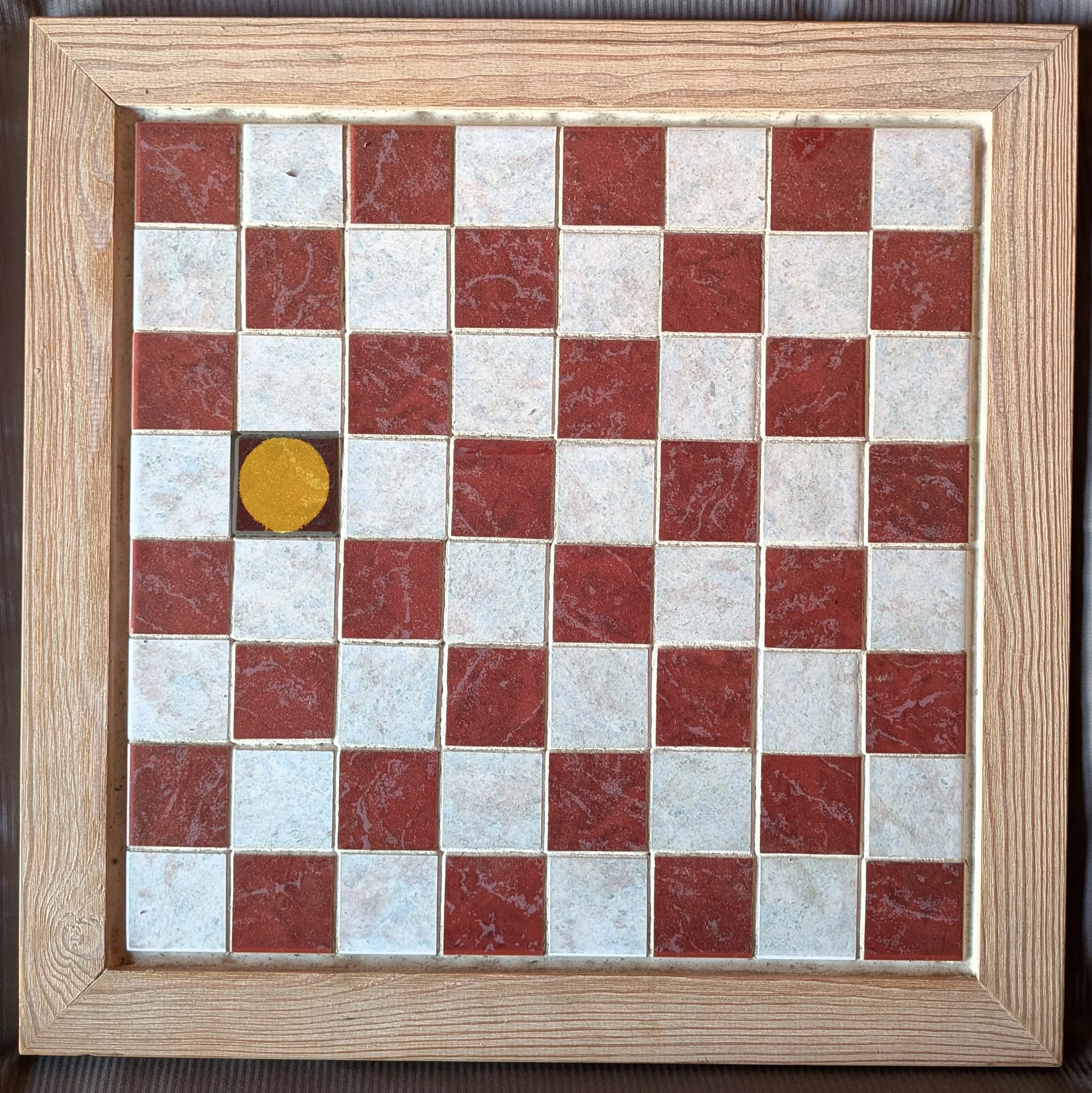
Before she returned to Japan Akiko had her leaving do in Liverpool's Egg Cafe, and from her flat she gave me a chess board/serving tray memento.
I’ve got to be drifting.
— Joe the Drifter, 2 January 2026
Just Another Normal Family Row in the Car
by Victoria Raftery
That bloody sat-nav’s never right; that’s what my mother said: we drive in circles half the night; here - use the A to Z!
The Sat-Nav’s voice is soft and low: how’s it going, friend?
...we should have been there hours ago!
I’m in my own dead-end...sitting in a cul-de-sac…the atmosphere is tense
You idiot! Just turn on back!
I wait, in pure suspense
I’d like to know how much it cost! a lot more than a map! and all it does is get us lost; I’d throw it on the scrap!
Dad grips the wheel, his lips pressed tight; he doesn’t say a word...
then Sat-Nav tells us to Turn Right as if she hasn’t heard
For goodness sake my mother bitches bloody thing’s deranged!
From my back-seat, the time just glitches…..all is rearranged….
….as I adjust, Sat-Nav speaks softly:
Put the car in gear...
You want to make it to the party? Let’s get outta here.!
I drive like I’m a boy possessed
but Sat-Nav doesn’t mind
I haven’t even passed my test!
So what? she says you’ll find
that in your life, the rules are made for breaking are they not?
So when your Mum starts her tirade and Dad can’t make her stop
Just sit right back and take the wheel
and shut out all their clamour
I’ll even cut you a sweet deal:
My freedom for this hammer...
Sat-Nav’s voice is soft and low; she’s urging me to kill!
I could have done it weeks ago
If I had had the will...
…but…someone needs to make my tea
my breakfast and my lunch...
someone needs to work for me...
so this then is the crunch:
Sat-Nav, I hear you loud and clear
but I am only seven
And I still hold my parents dear…
...come back when I’m eleven
—
Victoria Raftery is a writer who came of age in a decade of questionable browns and oranges. She believes that all great art is a form of benevolent haunting. So she often sources inspiration from what she calls "object-memories" - in particular, the ghosts of feelings that linger in second-hand furniture. Her writing desk is a 1970s G-Plan monstrosity she rescued from a skip, which she claims still contains the faint, spectral echo of every argument its previous owners ever had. She is currently trying to write a sonnet sequence based on the specific, melancholic sigh a particular Parker Knoll armchair makes when you sit in it. Her husband and sons have learned to navigate their house with the careful reverence of curators in a museum of invisible feelings.
The Gen Alpha Lexicography
by Maya Chen
13: 'Glazing'
Etymology: Evolved from gaming slang where "glazing" means to excessively praise or flatter a more popular player to gain favour. Mainstream adoption via TikTok and social media (c. 2023).
I was recently witness to a conversation between my son and his friend about a new video game. The friend was delivering a passionate, multi-point defence of the game’s flawless mechanics, its revolutionary narrative structure, and its profound cultural significance. My son listened patiently, and then delivered a verdict of chilling simplicity: "Stop glazing, mate. It’s just a game."
Welcome to 'glazing' - the act of praise re-categorised as a desperate, slightly pathetic form of social climbing.
To 'glaze' is not simply to admire something; it is to engage in a performative, over-the-top adulation that is perceived to be inauthentic. It is the language of the sycophant, the hype-man, the unpaid intern in the comments section. The term’s genius lies in its ability to instantly pathologise enthusiasm. It takes the simple, human act of loving something and reframes it as a calculated, status-seeking transaction.
In the digital realm, where every opinion is a form of currency, 'glazing' is the accusation that your currency is counterfeit. You don't genuinely love that obscure indie band; you are 'glazing' them to signal your superior taste. You don't actually think that celebrity is a genius; you are 'glazing' them in the faint, desperate hope of a reply or a repost. It implies that your admiration isn’t a feeling, but a strategy.
What makes the term so devastating is that it poisons the very well of positive affirmation. It plants a seed of doubt: is anyone ever really sincere, or is all praise just a form of networking? It is the logical endpoint of a culture where every interaction is viewed through the lens of personal branding. 'Glazing' is the sound a generation makes when it can no longer afford to believe that admiration can ever be a pure or uncomplicated act. It suggests that, in the ruthless marketplace of attention, to praise someone else is to devalue yourself.
Next time: 'Cook' - The verb that has replaced 'think', 'create', and 'succeed'.
—
Maya Chen has recently begun to suspect that her family's Alexa smart speaker is developing a personality, a development she finds both professionally fascinating and personally terrifying. She has started leaving it cryptic, philosophical questions when no one else is home, hoping to trigger some kind of existential crisis in its algorithm. So far, its only response has been to add "existential dread" to her shopping list. She continues to document her findings, convinced she is on the verge of a breakthrough that will either win her a Nobel Prize or result in her being locked out of her own house by a toaster.
Walk of Life
by Angie Woolf
I wonder where all of my old shoes are now
Where did they all go?
Tiny white ones that helped me learn to walk
Patent leather measured ones that took me to school
Climbing garages ones
Easy to run in
Feeling cool
Fashionable ones that walked me to college
University, Pubs, Clubs and Raves
Feet hurting as I danced
Straps snapped soles torn
Loved and worn
Out all night
Not home until daylight
A while after I had wedding shoes upon my feet
They took me somewhere far away
But before I knew it
I had gone and so had they
And on my feet were all weather shoes that walked to school
Then me to work for far too long
Tired and sad
Feeling like everything was wrong
But it wasn’t much later that
Going out shoes appeared again
Jumping up to favourite songs
And kitchen discos
Running back from the toilets
On hearing the opening bars
Of the song you’ve waited the band to play all night shoes
Those comfortable shoes
Were for the hospital visits
Anything else would be daft
Flat and multi-functional
More important that they last
Back and forth
Like a second home
No point looking fancy
Always on my own
The other day I felt confused
Are you sure these are really mine I said
Looking at the shoes
I didn’t recognise them one bit
They look like old ladies slippers
Although you’re right
They do seem to fit.
—
Angie Woolf is a poet who writes with a rare and beautiful generosity of spirit. She is a collector of the small, human moments that make up a life - a shared glance on a bus, a kindness between strangers, the quiet solidarity of her city. Her work finds the profound in the everyday and reminds us that even in our most difficult moments, there is a resilient, stubborn beauty to be found if we only know how to look for it. We are so grateful to have her voice in these pages.
Milkweed – Remscela (2025)
by Tom Roberts
Milkweed are a UK folk experimental duo who describe themselves as “slacker trad”, a label that is useful only insofar as it tells you not to expect anything traditional. Their sound pulls from lo-fi found audio, warped tape textures and incidental recordings, paired with a surprisingly modern sense of production. Nothing here feels nostalgic in the cosy sense. The past is present, but it’s unstable, degraded and constantly being interfered with.
Their latest release Remscela is one of my favourite LPs from 2025 and one I keep coming back to, not because it reveals everything at once, but because it never quite settles. Each listen feels like approaching the same object from a slightly different angle. I can’t quite figure out where to place it and love it even more because of that.
Remscela takes its name and loose narrative cues from the pre-tales of An Táin, an Irish mythological cycle often positioned as a counterpart to Arthurian legend. With Milkweed, though, it feels less like folklore preservation and more like folklore refracted through speculative fiction. Their approach brings Ted Chiang’s ‘Tower of Babel’ to mind for me. Ancient myth handled with modern conceptual tools, where the act of retelling becomes the point rather than fidelity to source.
Sonically, the record is fragmented and haunted. Cut-up sounds appear and vanish. Tape warbles bend pitch and time. Female vocal mantras drift in and out, sometimes soothing, sometimes ritualistic. Distorted voices sit at a distance, as if overheard through walls or across centuries. Field recordings captured on phones bleed into more composed elements, blurring the line between intention and accident.
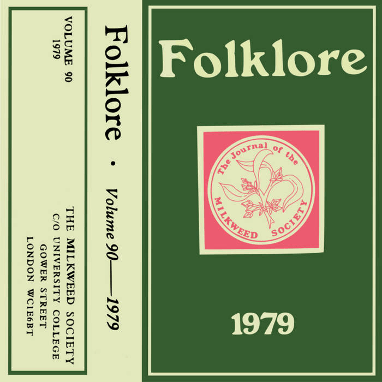
There’s a strange, uncanny familiarity to it all. It feels like music you’ve heard before, but never actually heard before. Milkweed’s previous release, Folklore 1979, leaned as much into hip hop logic as experimental folk. That sensibility remains here. Sampling is not decorative. Repetition feels structural. Rhythm is implied as often as it is stated. It wouldn’t be out of place next to Adrian Utley and Will Gregory’s Arcadia which samples and reinterprets the songs of Anne Briggs, though I say this loosely.
The duo says they don’t consider themselves to be writing songs so much as placing existing material into different formats. I think that significantly underplays the creativity on display. Decisions are being made constantly. About texture, pacing, omission, atmosphere. About when to let something decay and when to hold it just long enough to unsettle you.
And yet, for all the ways Remscela reaches outwards, backwards and forwards, for all its textual and extra-textual depth, it’s ephemerality that ultimately defines it. The record feels temporary by design. Like something you’re allowed to overhear rather than own. You don’t grasp it so much as pass through it.
There’s a mystery at play here. A haunted past, shaped by the present. It’s a record that rewards returning to, which why I keep coming back for more.
—
Tom Roberts is a writer who approaches culture with a wonderful and infectious enthusiasm. A songwriter himself, he has a deep and generous love for the work of other artists, whether they are celebrated filmmakers like Aki Kaurismäki or overlooked lo-fi bands who deserve a wider audience. He writes with a beautiful, self-aware honesty, never pretending to be an expert, but inviting us all to join him in the simple, joyful act of discovery. We are very privileged to have his recommendations and his quiet, thoughtful voice.