
I had a dream the other night. It was less a profound journey into the subconscious and more a particularly vivid episode of ‘Homes Under the Hammer’. I was trying to buy a new lightbulb, but the shop was located inside a disused multi-storey car park on the edge of the River Irwell, and my main concern was that the catalogue number for the bulb had rubbed off the page. The water, I should add, was surprisingly calm.
This here is my dream life. No profound archetypes. No shimmering portals to the collective unconscious. Just low stakes consumer frustration in an improbable aquatic setting. I woke up vaguely annoyed about the lightbulb and the fact I’d apparently forgotten the difference between a car park and a shop.
We’re told dreams are supposed to be these grand, Freudian epics. Full of symbolic beasts and prophetic warnings and the road to understanding our deepest selves. The history books are littered with them. Paul McCartney woke up with the melody for ‘Yesterday’ fully formed in his head. Mary Shelley dreamt the plot of Frankenstein. Dmitri Mendeleev apparently envisioned the Periodic Table in his sleep, the elements slotting perfectly into place. Even the structure of the atom was revealed to Niels Bohr in a dream about the sun and planets. Yet, here I am, grappling with the very mundane.
My dreams are just my brain’s way of sorting out the crap. They’re banal. They’re incomplete. And they rarely make any sense, even in hindsight. It’s like listening to a radio station after it’s signed off for the night: mostly static, interspersed with odd, unidentifiable sounds, and the occasional, deeply unhelpful advert for something you don't need.
And yet.
There’s an embarrassing honesty in the banality. Even in our deepest moments, our minds are still grappling with the low grade anxieties and bureaucratic absurdities that plague our waking lives. My subconscious definitely isn't trying to tell me I have unresolved childhood trauma, it's trying to remind me to replace the blown bulb in the spare room. And probably to check the planning regulations for building on the Irwell.
This is the unglamorous reality of the human mind. Even its wildest flights of fancy involve making sure the bins are out. The magic isn't in some grand revelation, it's the insistence of the mundane, even when you're supposedly flying.
This edition is a collection of these unedited transmissions.
Welcome to the latest edition.
Matt
Ten Questions
by Ann Nazario
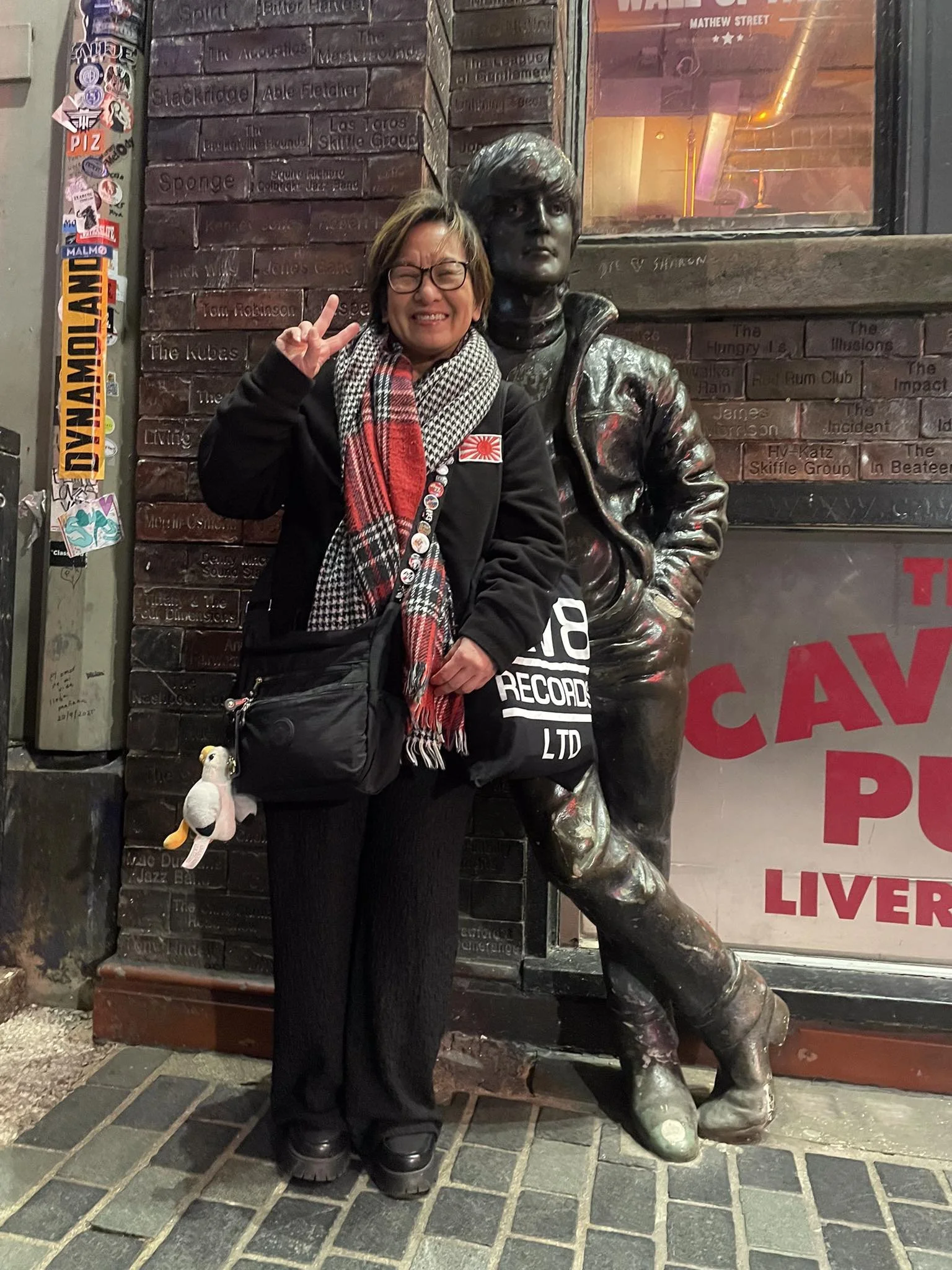
I first met Ann in 2016 at the Soup Kitchen in Manchester, at a packed out Michael Head solo gig . She was vibrating with excitement then, and honestly, she hasn’t stopped since. If you go to gigs, you will know Ann. She’s the one at the front with the biggest smile in the room and a Sharpie in her hand, usually waiting for the drummer. She is the kind of person who bakes cakes for people’s birthdays just because she can and she loves to; her enthusiasm isn't just infectious, it’s a recognised new form of renewable energy.
Her journey to the front row is a story in itself. Born in the Philippines, she built her musical education on cassette tapes brought home from Iran and the UAE by her mother - Elvis, The Beatles, Neil Sedaka. A move to the UAE in 1989 led to the discovery of The Stone Roses, and in 1996, she moved to Manchester and finally found home.
Since then, she has turned fandom into a full-time vocation. She works at Kingbee Records in Chorlton (the best record shop), hosts the weekly podcast Ask The Drummer (because, as she rightly points out, drummers are the coolest people on the planet), and sets herself annual gig-going challenges that would break a lesser mortal. Last year she hit 163 shows. To celebrate her 30th year in Manchester, she is aiming for 200.
We invited Ann to take a brief pause from her hectic schedule to select ten questions from our archive. Her responses are a testament to a life lived in, and saved by, music.
● If you could time-travel to witness one musical moment in history, when and where would you go?
I’d time-travel to that AWESOME day, the 25th of November 1984, Sarm West Studios in Notting Hill, London, to witness the recording of ‘Do They Know It’s Christmas?’, and try to have photos with all the INCREDIBLE musicians and bands involved in the making of that song. I have watched the BBC documentary, ‘The Making Of Do They Know It’s Christmas?’, a few times, and every time I watch it, I always tell myself how I wish I could time-travel. So, yeah, DEFINITELY that SPECIAL moment in time.
● What album got you through your toughest times?
There were two times in my life I’d say were the toughest, if that’s okay?
First was when I was a young adult living in the UAE. It was a confusing time for me, not knowing what my life was supposed to be, what my purpose of living was, and all those things you worry about now that you’ve finished University and have to face the real world. I’ve always wanted to leave the Philippines. Even though it’s my home, it’s where I was born, it’s where my family is, I’ve always felt the Philippines isn’t the place where I belong. After graduating from University, my mum asked me to join her in the UAE. FINALLY, I’m leaving the Philippines! I was 19 when I left. But, the UAE wasn’t the right place for me either. My first year there was not a happy one. MASSIVE culture shock, the Gulf War, not fitting in, wanting to go back home but not wanting to go back to the Philippines, though if I stayed I knew sooner or later I’d go insane. And then The Stone Roses happened! One night, my brother brought home a VHS tape of Top of the Pops performances, and there was the video of The Stone Roses performing ‘Fools Gold’. I got hooked! The next day, I went to the music shop and bought a cassette tape of The Stone Roses. I played that tape to death! It changed my outlook in life. It gave me focus. It saved me from going insane. I still have that cassette tape with me, and I got Mani to sign it.
The second time I also consider a tough time in my life was when I was diagnosed with breast cancer in 2022. I thought my life was over, that it was only just a matter of months, weeks, days even, then I’ll be gone. That year, I had everything planned for the Dear Scott Tour which started at the end of May. The diagnosis came in April. I asked the hospital if they could postpone my operation until after the tour was finished. Thankfully, they agreed. Michael Head & The Red Elastic Band’s Dear Scott was the album that helped me get through that scary period of my life; I had it playing before the anaesthesia took over and I fell asleep, for both operations. I played it everyday when I was at home recovering. I think of 2022 as my cancer year. And Dear Scott was the soundtrack of that year.
● What’s a single line from a song that has stuck with you like a mantra or piece of life-changing advice?
For a long time, it’s been “life’s what you make it” by Talk Talk. But, again, since my cancer diagnosis, I often tell myself, “it’s great to be alive” by Lightning Seeds. The album on which that song was included, See You In The Stars, was also released in 2022. Just like Michael Head & The Red Elastic Band’s Dear Scott. My cancer year.
● Which song lives in your memory word-for-word that would raise eyebrows if you suddenly performed it flawlessly at karaoke?
It has to be 10,000 Maniacs’ ‘What’s The Matter Here?’. I actually sang it on my 40th birthday and my guests didn’t know what to make of the lyrics. But then I followed it with Alphaville’s ‘Forever Young’, and some of the guests sang along to it.
● What instrument do you wish you could play but have never learned?
Drums!!! I tried learning it. I couldn’t. Drummers are the COOLEST people on this planet!! I wasn’t born to be a drummer. I was born to love, love, love drummers!!!
● What’s your favourite album to listen to alone in the dark?
I haven’t listened to an album in the dark for a while, I guess I’m quite happy with how my life is going right now. But there was a time I used to do just that: listen to an album, alone, in the dark. And it will always be Pink Floyd’s Dark Side Of The Moon. And it will scare me. It will make me think I am not right in the head. And that there are voices, the lunatics, in my head. Hmmm… I think I’ll try that again tonight.
● What genre or artist did you come to embarrassingly late, kicking yourself for missing out?
OH, MY GOD!!! Gerry Love and Teenage Fanclub!!! Why didn’t they reach me in the UAE? The Stone Roses did!! Oh, well. It’s never too late to appreciate AWESOME music. In a way, it’s better that I got to know their music late ‘coz I can separate Gerry Love’s music from Teenage Fanclub’s. I don’t have this feeling of anger? Annoyance? About Gerry Love leaving the band. For me, they’re two separate entities. I love, love, love Gerry Love!!! And I’ve got Mick Head to thank for me discovering Gerry Love. Again, this happened in 2022, my cancer year.
● What’s your favourite cover version of someone else’s song?
Guns N’ Roses’ cover of Bob Dylan’s ‘Knockin’ On Heaven’s Door’. In fact, I was on Mike Sweeney’s show on Rock Radio Manchester in 2009 talking about this AWESOME Guns N’ Roses song. I didn’t know, at first, that it was a cover. I’m not a Bob Dylan fan. I heard his original song. Let’s just say, Guns N’ Roses’ version is a billion times better!!!
● What’s the best gig you’ve ever been to?
This is a VERY difficult question ‘coz it changes as time goes on. But I’d say Friends Again’s reunion gig at The Old Fruitmarket in Glasgow, end of January this year, was DEFINITELY a highlight of my gigging life. 2026 is the year I celebrate my 30th year of being in Manchester. Thirty years of living the dream. Seeing Friends Again, LIVE, was a MASSIVE dream come true for me. So, yeah, that was the BEST gig EVER!!!
● What new artist or band are you most excited about right now?
The Molotovs!!! I do believe the future of music is in safe hands with bands like The Molotovs. Check them out!!! NOW!!! GO, GO, GO!!!
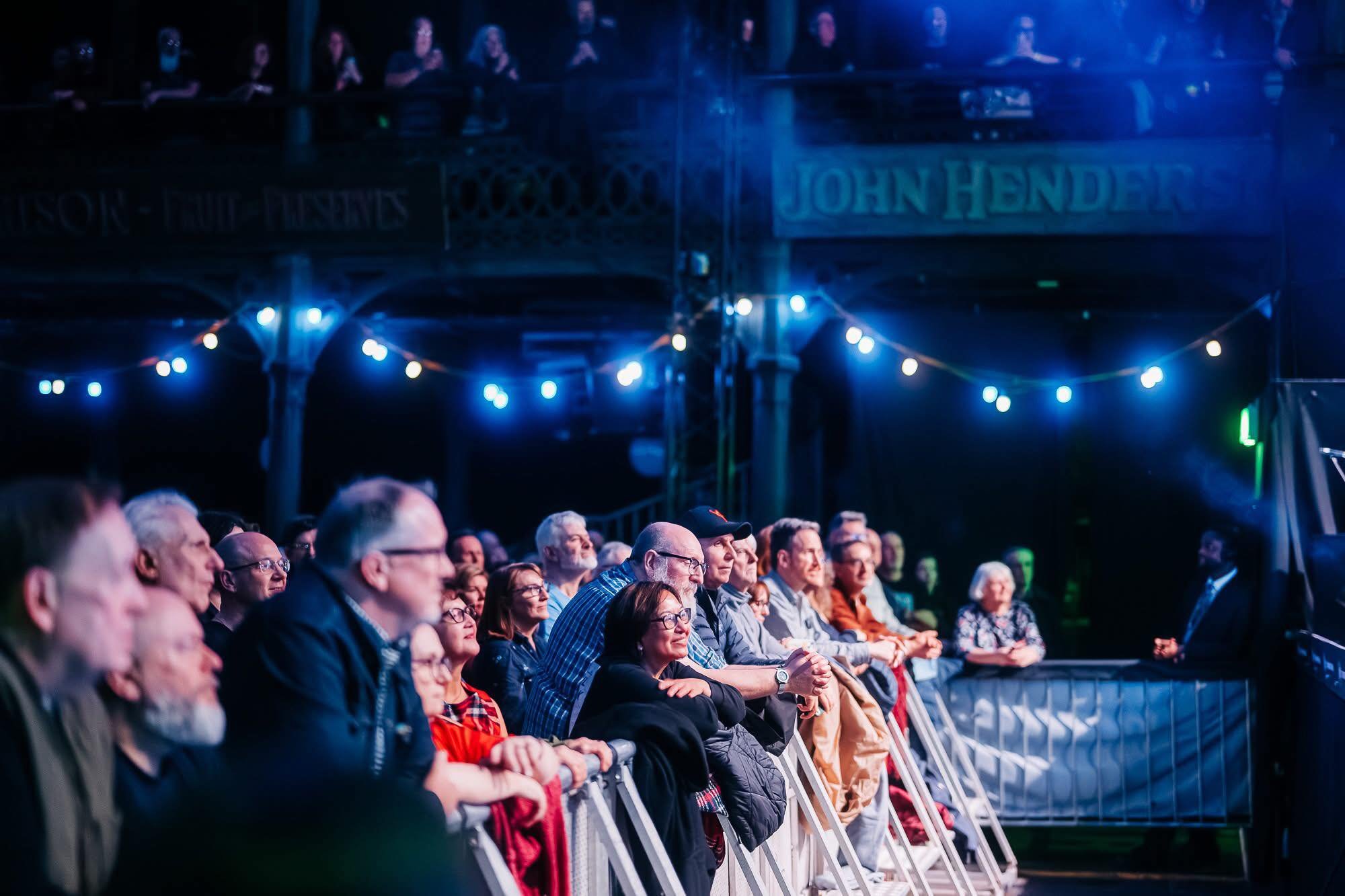
Ann, in her natural habitat,down at the front.
Magnetic North
by Jeff Young
20 : Trace Elements
I’m out walking around Liverpool with my friend Jim Quail, mapping out a project we’re working on, wandering the streets and alleys, looking for trace elements of the mythic and the strange. We stop here and there – the Oriel Chambers, the Bucket Fountain, the Sanctuary Stone, the Road to Oz on Eberle Street, 11 Cook Street’s spiral staircase - places you might encounter in your dreams, or places where you might witness an actual dream in process. We’re looking at the city as Dream Archive - strange architecture, doorways and shadows, portals into memory and magic, the undercity, carvings of sea creatures and sea gods in stone, visions of imaginary kingdoms, stone enchantments.
But then, when Jim and I get to Mathew Street the magic leeches out of the city, and we stop outside what used to be Eric’s and wonder where it all went wrong. There are certain doorways or corners where you might expect to catch a glimmer of the occult city we’re looking for, of the Liverpool cosmic – perhaps the ghost of myself when I was young, or a corner where I once witnessed the magical - but if we were hoping to find signs of mystery and romance here, of what once gave the street meaning, we’re not finding any of that today, not even a trace element of wonder.
Instead, we get a silhouette of Echo & the Bunnymen in overcoats high up on a wall; Cilla Black showing us her armpits; ‘Paperback Writer’ blasting out of a tinny speaker, sounding like it was taped off the telly on a cheap cassette; John Lennon looking like he's wearing a Beatle wig; random photocopied images and shit murals of John, Paul, George, Ringo and Stu, of Jayne, Pete and Holly, of punk bands on every wall and window. It’s as if someone who knows nothing – and doesn’t care anyway - about Mathew Street, about history, about the wild, delinquent, beautiful electricity of pop music, bought a load of tat down the wholesalers, drove it here in a Transit van and dumped it in the street with the sole intention of making the place completely fucking meaningless.
Above the entrance to one of the Beatles themed bars there’s a sign saying, ‘THERE ARE PLACES I’LL REMEMBER’. It’s supposed to make us misty eyed with nostalgia for the golden years of Fabness, but it’s more like the bewildered mutterings of Mathew Street itself, a cry for help from a demented geriatric being held hostage in a Beatles souvenir shop.
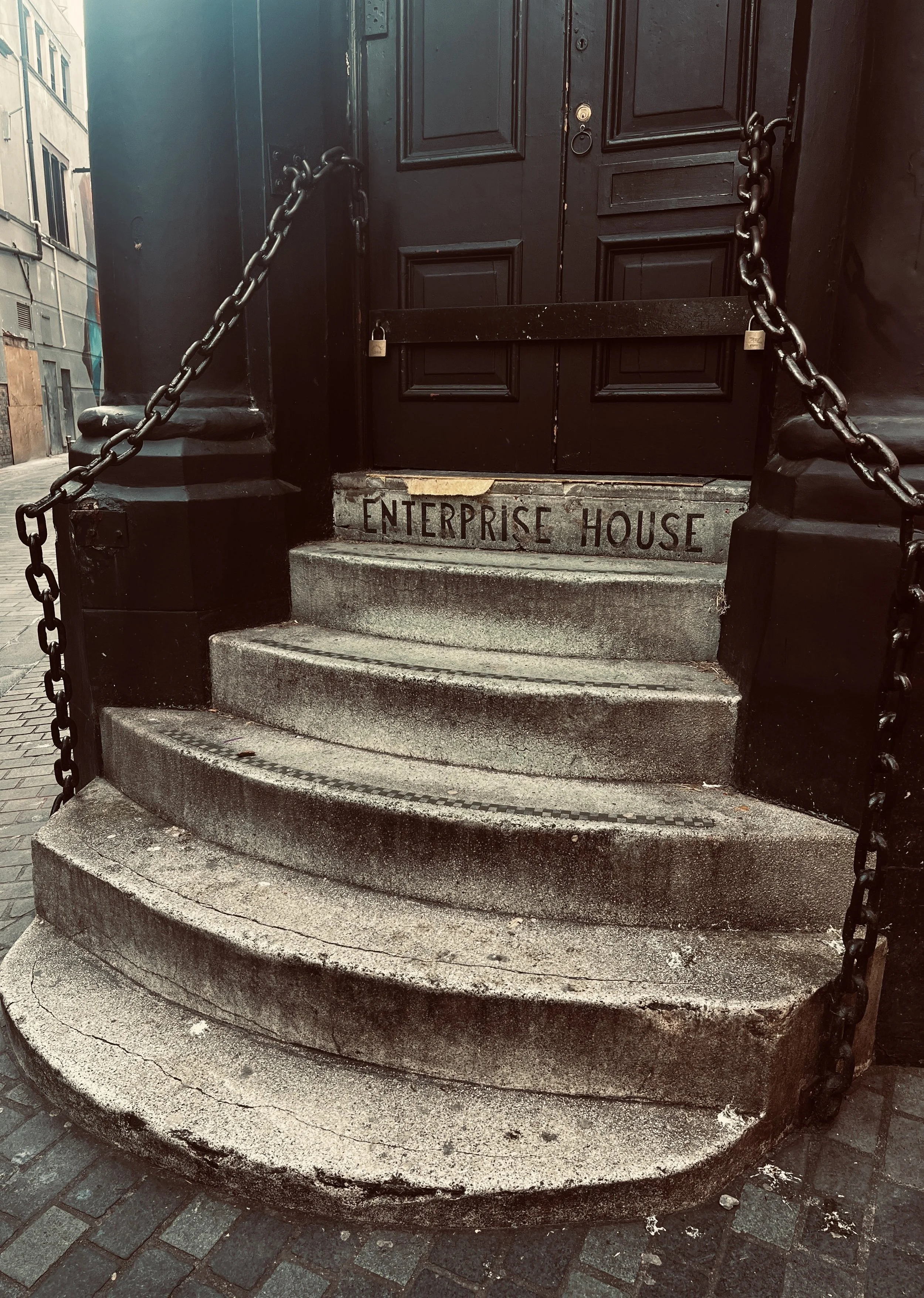
Around the corner on Rainford Gardens we stop at the steps of what used to be Probe Records. We’re wondering if it’s here maybe, the thing we’re looking for? Fading memories of going up those steps all those years ago, the smell of the place, the noise of the place, the thrill of it all...
But it’s all gone, that wild electricity, that altered state, the magical, the dream, long gone. Keep walking, because maybe the trace elements of mystery and beauty are around the corner, elsewhere. Keep walking, keep looking for the strange.
— Jeff Young, 10 March 2026
—
Jeff Young discovered long ago to consider the city of Liverpool as a circuit board where the connections have been deliberately severed. He believes that the mass-produced nostalgia on Mathew Street acts as a form of psychic insulation, a layer of cheap plastic designed to block the transmission of the city's true, wild electricity. He is currently working on a theory that the Beatles statues are lightning rods installed by the council to ground any remaining sparks of genuine anarchy before they can start a fire. He walks the streets with a pocketful of iron filings, testing the magnetic field of every doorway, looking for the one place where the needle still jumps.
The Paphides Principle
Pete Paphides treats his record collection as an archive and a toolkit for survival. He believes that the right song, played at the right moment can temporarily suspend the laws of a volatile world.
His column is a regular reminder that music is often the only form of diplomacy that actually works. This week, he brings us a dispatch from a place where the borders are open and the language is universal.
Shye Ben Tzur, Jonny Greenwood & The Rajasthan Express - ‘Ranjha’
Some people take a dim view of musicians who choose not to get involved in politics. I’m not one of them. Music isn’t subject to the same rules as other forms of discourse. I get talking to someone about my favourite songs and they tell me about theirs. The more we talk, the more similar we realise we are. And as long as we stick to music, the closer we feel to each other. The same applies, but even more so, if you actually play music. Because then, you don’t even really need to talk about it. You just pick up your instruments and they’ll do the talking for you.
In 2007, at the Glastonbury Park Stage, I saw a steady flow of musicians from all over the world – Baaba Maal, Rachid Taha, Terry Hall, Paul Simonon, Rise Kagona of The Bhundu Boys, Amadou & Mariam, K’naan and Tony Allen – join the ever present Damon Albarn for a five hour set under the Africa Express banner that I’ll never forget as long as I live. A year later, on a sparkling midsummer South Bank night, I watched Pentangle play their first show for the first time in 36 years and, in the brutalist auditorium of the Royal Festival Hall, the spectacle unfolding before me still felt like a blueprint for a new utopia, just as it would have done when they first played here.
These are volatile times and when I need to revisit those toppermost peaks, there are certain records I tend to head for. One of those records is Junun, the 2015 collaboration between Israeli musician Shye Ben Tzur, Radiohead’s Jonny Greenwood and The Rajasthan Express, a group of Indian qawwali musicians. Recorded in a makeshift studio inside a 15th century fort in Jodhpur, India, Junun felt to me like one of those serendipitous lightning -in-a-bottle happenings that are fated never to beget a sequel.
And right up until the start of this week, I had no reason to revise that view. But the ping of an email notification – the same ping I hear 200 times a day – changed all of that. It was a link to Ranjha, the first fruits of a new album by the same three-way alliance. The only change from the arrangement of ten years ago is that the fort in Jodphur is out and drummer Tom Skinner, who plays with Jonny and Thom Yorke in The Smile is in. The album – also called Ranjha – was recorded in Oxford, but the beatific sense of rapture is one and the same, albeit with iridescent trumpet and piano syncopations that nudge the whole thing into almost Cuban territory.
“You feel this music on your body,” says Shye, whose eureka moment happened back when he was 19 and saw the Indian flautist Hariprasad Chaurasia and table player Zakir Hussain performing in Jerusalem. He duly moved to Rajasthan, married into an Indian family and formed The Rajasthan Express.
Listen to Ranjha and then, if you like what you hear, seek out Junun while you’re waiting for the new album to drop. It won’t make the world a better place, but it will armour you with some of the love and hope you need to keep the darkness at bay until you next press play.
—Pete Paphides, 11 March 2026
All Our Love
by David Hayden

Liverpool, in its natural era, before it became less itself and more like other lesser places, was a broken-winded, red-eyed, fat-hearted city, replete with sugar ghosts, lovely wrecks, incendiary scars bursting green with raggy weeds and hunched-over bushes, desperate singing, blood streaking the pavement, dawn strolls by lone police Inspectors bearing silver-topped canes pulling bug-eyed Alsatians, broken roofs with the dim eye of a pale sun peeking through, falling slabs of laughter, people not ever mentioning the Beatles, snooker balls arcing through windows at 3am, more football teams than cathedrals, only just more pubs than bookshops, lonely riots, happenings in broad daylight out of the corner of your eye that looked like terror, strangers holding out their hands to help you off the bus, help you off the ground, help you; and a slow, shining, ochre river called the Mersey.
It was the most exquisite city in the world.
I had moved to Liverpool to become a student in a small way, or more than that to become the first of my family to complete a degree, not the second one, after my father, to fail to do so, to find a way forward from what was untenable, to resist the pull into bitterness and incapacity. Third class would do.
I sat on a narrow bed in the clean concrete box of my room and looked at the breezeblocks opposite me that sat unevenly on one another, coming apart, the mortar having mostly fallen out. Of my three books, I had read a little of a thick survey of social theory, most of a large history of industry and empire, and all of the novel I had found curling on the pavement outside an amusement arcade near the hotel where I worked. On the cover was a grinning skeleton in a smart black suit, a frilly white shirt and blood red tie, a black sombrero with a lilac trim, tilted back on its skull. If I was cooler, he might have been my friend. A thumping began through the wall.
On my first night in halls of residence my neighbours variously wept, sang off key, sang in key, but objectionably, celebrated carnal pleasure with a partner that might have been a pygmy goat and, if my ears did not deceive me, defecated softly, repeatedly, into a plastic bag. I determined to move out.
I packed my rucksack and, around four a.m., opened the door and avoided being knocked over by a man with bright, red hair running down the corridor; except his hair was only bright and red in the sense that it was extravagantly aflame, he left behind a trail of white smoke and the faint scent of gorse and roasted hazelnuts. He disappeared into the dark of a toilet from which came a hiss and a sigh.
In the communal kitchen was a woman, in a fairy tale she would fairly have been described as a giantess, wearing a dress of taped-together black bin liners and a tea cosy hat, attempting to stuff a greenish pork chop into the toaster while shouting: “mmmmPIG! mmmmPIG!”.
I backed out of the room into the corridor and, avoiding the salty, sticky lift, took the stairs, squeezed past a linear gathering of tough-looking girls who were smoking and sneering with equal concentration, stumbled through the long dark of a passage that, I hoped, led to freedom and instead opened out into the television room where a skinny boy with vertical hair and a thousand-year-old face was setting up a drum kit. The slight moves of his hand required to tighten a butterfly nut, the sailboat creak of his leather jacket, the squeak and flap of his hi-tops, even his breathing were freakishly loud. I stood still in the shadows and watched him pick up his sticks, gripping them as a child raised by wolves might, in their first encounter with cutlery, grab a knife and fork. The senseless thrashing of skins and cymbals that followed worked up a wave of sound dense enough to kill a fit dog.
I staggered outside where a cry from above led my eye to a large, dissolving moon and a body falling from a broken window onto a grassy bank where it bounced like a rubber cat. A man, who looked like my brother, stood up and walked towards the exit. I never saw him again. Or my brother.
I crawled into a bin shelter and slept deeply despite the continuing percussive onslaught, and woke around six to make my way to the office dedicated to facilitating happy and productive working environments for every student. I joined the huddled assembly of unfortunates who swayed from side to side, moaning low, and I slumped to the floor, resting with my back to the wall. A flask of peppermint tea was passed my way and the hand that offered it was Maudie’s.
I drank the tea and took my first long look at Maudie’s face. After a moment she looked back, weighing my gaze but giving nothing away. The words of beauty at once lost their general application and ever since, for me, only refer to the now painfully remembered face and figure of that one person. Liking was redundant in her company. I instantly cared less for everything that I had previously loved, because all care was to be reserved for her. I could love nothing else at all, not because I’d been gifted with a limited portion of love, quite the contrary, I understood for the first time the limitlessness of my possession of love and its possession of me, but because, beyond the far limit of what I could feel for anyone else, the thought of her would always be there, unexceedable.
A light came on in the office, the door opened with a gritty squeak and a man stepped out wearing a green-striped dressing gown, a mole the size and appearance of a withered walnut swelled from his chin, his goggle glasses flashed.
‘You should all go back to wherever you came from. Double back on yourselves to the point at which you can find whatever small portion of hope that you may once have possessed and proceed from there in any direction. Any direction so long as it doesn’t lead you back here.’
A few students nodded, shuffled their belongings together and left.
‘For the rest of you my name is Mr Wiggins. You can call me Wiggy, just like the mean boys used to do at school, and I won’t mind but I may not answer. Put your left hand up if you need somewhere to live and your right hand up if you want to change course.’
Maudie and I put our left hands up and, in a gesture of surrender, the others raised both hands.
‘For one day only all you two handers can visit Peggy the Bursar and she’ll give you fifty quid, in cash, if you promise to take the first train home.’
There was much chuntering followed by several sauntering exits, and Maudie and I were alone in the corridor with Mr Wiggins. We approached. Through the door was a dirty box of a room with a desk, empty bookshelves, the shambles of a camp bed and a crate of pale ale.
Wiggy intercepted us.
‘I have what you need.’
He handed us each a piece of grubby paper, stepped back, said ‘good night’ and closed the door.
Outside, in the murk of what passed for the dawn, we unsquirreled our notes.
Maudie’s read: ‘Bright, clean room in bright clean house for ‘ditto’ student. Call Judy: 051-1364575.’
Mine read: ‘I have lived a glamorous but, ultimately, lonely life. You will provide: rent, witty conversation, a passable intimacy with French popular music, occasional superb suppers and your own shag. I will provide: a lovely room, discretion and momentary sparkles visible from the corner of your eye. Call Judy: 051-1363984.’
‘They’re different numbers,’ I said.
‘Look,’ said Maudie. ‘Can we swap? I think you’ve got mine.’
Walking down the main road that sloped into town we passed three derelict telephone boxes, picking up twenty-five pence from the rejection slots, until we found one that worked. I waited outside while Maudie called. The wind blew up, the sky darkened, it rained heavily, the wind blew past, the sun came out and so did Maudie. She hadn’t taken long.
‘I’ve a room. I said I had a friend—meaning you—and she said, “you’re not his mother, sweetie”. Marvellous.’
I dialled the number, the bells sounded once, and a woman spoke.
‘I’ve been expecting you. When can you start?’
‘Immediately I suppose…start what?’
‘Can you cook?’
‘Yes, actually, I used to work in…’
‘Well, never mind. Do you have a deposit?’
‘My grant’ll come through next week. I’ve got thirty quid.’
‘I’ll have that, chéri.’
‘Where will I be living?’
‘In the bright, clean room of course. Number 41 Roskisson Close, near Sefton Park. Do you have anything else to say?’
‘No.’
‘Disappointing’, she said, and hung up.
Maudie was standing still with her hands in the pockets of her brown dress, by far the greatest sight imaginable to my tired eyes and she smiled as if this was merely the beginning of a smile that would open and brighten and deepen and, eventually, come to eclipse the tawny light of the sun that, also seemed to grow in intensity in sympathy with her radiance.
‘What exactly are you doing?’, she said.
‘Ah…swooning?’
‘You tit.’
‘Maybe, I’m just hungry…I mean, are you hungry?’
‘That’s better. Let’s go into town and get breakfast. I know a place.’
We boarded a bus that was as cold as a meat locker and stank of fags and bleach and yesterday’s chips, its suspension was knackered, making the journey down the hill not unlike a school break, consisting, as it did, of twenty minutes of being thrown around and kicked in the arse. The other passengers were generally stoical under the circumstances, except for the occasional muttered outburst of love o’god and jayzz when the vehicle plunged into an especially profound pothole. I watched a man in a brown raincoat roll a cigarette with the dexterity of a Swiss watchmaker. He flapped open his steel lighter and a flame threw up immensely to his eyebrows, the conflagration was brief but added a note of scorched hair to the atmosphere before sweet tobacco filled the air.
Maudie pressed the bell and stood. I followed her down the aisle, slipped and grabbed the back of a seat, skating about before regaining my balance. I had grazed a woman’s back and I turned to apologise and took in her worn-out fluffy pink overcoat, bright blue polyester head scarf, tied and knotted under her chin, and her face that seemed a composite of four others: pink and pink and red and yellow. She crossed herself efficiently and gave me a sour, quizzical look.
‘Take care of yiz knitting and I’ll take care of mine,’ she said.
‘I will. I will. Sorry now, sorry,’ I managed.
The bus pulled up outside a secondhand furniture shop on Islington. Maudie picked a way through the sticky sofas, burst armchairs and cracked-up formica tables that crowded the pavement. I stepped off and straight into a standard lamp, which swung in circles without falling over. I ran after her before the woman shouting abuse at me from inside the shop had a chance to make good on her threat to have my guts for garters. I know now that there are streets between there and St George’s Hall, and between the Hall and Victoria Street, but, somehow, we arrived at Stanley Street without having gone down them. There wasn’t a soul in sight. We passed an austere jazz record shop that radiated hostility, and were outside the glass double doors of a café.
Up the stairs was a large strip-lit room crammed with tables, most of them occupied, with people, young and old, good hair and no hair, chatting and laughing, drinking tea, eating epic fry-ups or stale scones or solitary slices of toast and margarine. This was my first-time seeing people wearing sunglasses indoors, mostly black wraparounds, but some rectangular purple, and one yellow pair, which must have made the world appear custard-coloured. There was music playing that might have been The Hollies, or anything really. I dug the manilla pay packet out of my jeans and was counting the change, to see what I could afford to eat, when someone barged into me from behind, sending the money out in a broad scatter.
The man, very young, in a super white, neat shirt, tight pale blue jeans and buckled burgundy shoes, glared over my head.
‘Do you want a smack?’ he said, and his lips pulled back to show his teeth.
‘No,’ I said.
‘Alright, then,’ he said, and turned to place his order.
Maudie and a man in a checked shirt, with big hair done in loose spikes and waves, helped me pick up the coins.
‘Don’t mind him,’ he said. ‘He can’t help being a dickhead.’
The man who had threatened me looked over his shoulder and spoke.
‘True.’
I ordered a toasted bacon sandwich and a tea, and Maudie ordered a vegetarian breakfast, with a beef sausage as an extra.
‘Feeling a bit anaemic,’ she said.
We sat at a table and ate. To avoid seeming weird, I stared at a large plastic tomato that stood, faded and crusty, next to her plate.
‘Not much chat, then?’ she said, after some minutes.
‘Sorry.’
‘No, I quite like that. I grew up with talk that was only small. I prefer silence, or this great racket in the background. Anything as long as it’s not at me…or about me.’
And then she talked all about herself. She told me that she was a late child, that she was probably not her dad’s, but she loved him more than her mum, about how she grew up in a council house, her mum a cleaner, her dad a gardener and plantsman, about how, because she came from ‘darkest Surrey’, she thought everyone in the north would hate her because she sounded posh.
‘You don’t sound posh,’ I said. ‘Just nice.’
She flinched.
‘I mean…you’ve got a good voice. It sounds…good. That’s what most people will hear. I think.’
‘I’ve already been called a stuck-up cow, a cocky bitch, and a cunty midget, and I’ve only been up here two weeks.’
‘You’re not that short…’
She gripped her fork hard and stared at me.
‘I’m sorry.’
‘Men say what they want to women. And do what they want.’
I didn’t know what I had said to provoke that.
‘Do you have a boyfriend?’, I said.
‘What? What?’
‘Sorry.’
‘Yes. You should be. Shall we go?’
I finished my tea in one mouthful, and we were out on the street. I investigated the grey air and wondered what we would do next. There was a bank of fog at one end of the street and shafting sunlight out of a pale blue sky at the other. A long black streak of cat emerged from a doorway, sat upright and stared at me.
‘I’m going exploring,’ said Maudie. ‘And I’ll see you. Later.’
Unmoving, in panic and agony, I watched her walk away and began to fret over what I had said, tearing those few words I had spoken to her into smaller and smaller pieces, only to feel them reassemble inside me, over and over. I could hear them and taste their wrongness. As I do now.
—
David Hayden is a writer whose work maps the strange, shifting territories between the real and the imagined. His fiction has appeared in Granta, A Public Space, and The Stinging Fly, and his collection Darker With the Lights On was named an Irish Times Book of the Year. He charts his life by the currents of the rivers he has lived beside: the Liffey, the Mersey, the Thames, the Chicago and the Wensum. He is currently based in a location known only to himself and the birds, working on a novel that may or may not be this one. As he puts it: "Sure, you know yourself."
A Mother Of A Day
by Victoria Raftery
Hillary Mantel wrote it: Every Day Is Mother's Day
‘It's Mothering Sunday.’
‘Miss Wright says it's Mother's Day.’
‘Well, Miss Wright is wrong.’
‘Why isn't there a Daughter's Day?’
Are you flippin’ kidding me?
‘It's tied up with Easter. They were in service at the big houses. They had to work Easter so they were given a day off to visit their mothers and attend their mother church. With flowers. Daffs, usually. And that's why it's called Mothering Sunday.’
Or Smothering Sunday. It only happened the once and I held myself back. She's still here, isn't she?
‘Is Gran coming over?’
‘Of course.’
She’s told me she doesn't want lamb this year, it plays havoc with her teeth.
‘We're having lamb.’
Hillary Mantel was right; mothering Sunday comes but once a year. The rest of the time, every day is mother's day.
Time to put another wash on.
‘Love you, Mum.’
‘I know.’
—
Victoria Raftery is a dedicated scholar of the domestic battlefield. She’s spent decades mapping the complex, shifting treaties that govern Sunday lunch, documenting the precise emotional blast radius of a roast lamb dispute. She believes that the washing machine is the true, rhythmic heart of the home, a white noise generator that drowns out existential dread with the spin cycle. She is currently working on a field guide to "Smothering Sunday," cataloguing the subtle distinctions between a bouquet of daffodils given out of love and one given out of obligation.
Dead Air Anthologies
by Matty Loughlin-Day
Eagle-eyed readers will recall that the germination of the idea for these shows was me finding my iPod during a clear out in the lead-up to a house move. Jumping forward a month or two, and moving day is fast approaching. We are now truly waist-deep in the thick of the worst part of the declutter, reluctantly tackling those chores you simply cannot put off any more, no matter how many other fictional and magically more pressing jobs emerge from the ether, or how heavy those clouds suddenly look - the clearing of the shed, the endless trips to the tip (a top hint for those of a Mersey persuasion, Maghull Tip takes paint, as does Green Lane in Stoneycroft. Thank me later), not to mention the bagging up of the clothes you promise you’ll fit into again next summer, and most nightmarish of all, the emptying of the loft.
I’ve never particularly considered myself a hoarder, nor an overly sentimental sod, but the freezing cold afternoon spent excavating boxes of unidentified contents in an atmosphere so dusty I emerged looking - and feeling - like an archaeologist who had spent a season in the Tundra brought this into question.
I have had a recent diagnosis of ADHD. I know, I know. Join the club, and so on, but really, I’ve always known it, and judging by the responses I’ve had from people near me, so has everyone else. One enormous benefit of this has been the ability to retrospectively make sense of my patterns of thought and re-evaluate some of the decisions I have made - a busman’s holiday for a Clinical Psychologist, admittedly, but a thoroughly worthwhile one all the same. The reason I mention this is that it has enabled me to realise how ‘in the moment’ a lot of my thinking has always been. Not in a particularly desirable mindful ‘be present and connect with the here and now’ manner, but rather an automatic tendency to disregard any consideration of future consequence, ignoring the ramifications of wanting to deal with a current problem further down the line.
With such a constitution, a loft that is not especially accessible therefore becomes an absolute Nirvana for every aspect of my life that “I’ll deal with later”. Some things belong up there of course - Christmas decorations, camping gear, a bag of teddies my Grandad Mattson, who died before I turned two years old, bought for me - they all need a safe space, sure, but otherwise, it gets daft quickly. A box of leads and wires that I can’t identify? Lash it in the loft. The beer making kit that’s probably years out of date? Might come in handy in some form at some dateless point later on, I don’t know when or why, but up it goes. A bag of payslips, unopened letters and certificates? Christ, I can’t face going through that, send it skywards. A lifetime’s worth of CDs that you have no way of playing or even know if they are still playable? Ah, hold on now pal, that’s too much to think about right now, get up that ladder, soft lad.
It shouldn’t be too much of an ask to therefore imagine what going through all this mess was like. An initially daunting prospect, it was however rendered somewhat easier by my recent diagnosis and mental recalibration, in that I adopted a utilitarian “if I don’t need it or haven’t used it in the last two years, it isn’t coming with us” manifesto that saw me ruthlessly binbagging the vast majority of my, let’s face it, shite. It was a strangely cathartic and in the main, a surprisingly unemotional process. Looking through and sorting bags of scribblings and books, mementos and odd bits, some from over 20 years ago, I didn’t find it especially galling to throw them away, nor was I bothered by banishing a bonfire’s worth of papers that I’d so meticulously and painstakingly pored over during writing my doctorate thesis - but that all changed once I was set to the task of going through the aforementioned mountains of CDs.
It caught me off guard. Even though I had discarded, donated or shredded so many reminders of the life I have lived to date, some that once held a fair amount of emotional heft, the act of boxing up and saying a definite goodbye to a lifetime’s worth of physical music has been the only part of the whole move that has thrown me so far.
I still have all of this music of course - that’s the wonder of finding my old iPod, as I’ve stated before - and it is all (hopefully) backed up in enough places to never escape my grasp, but there was a strange sense of finality in taping up the boxes of CDs in the knowledge I’ll be taking them to whatever charity shop nearby has the space or appetite for them. It might sound overly dramatic, but it felt akin to taking part in a Viking funeral – sending countless versions of my past selves off on one final voyage before being burned and scattered into the Great Beyond.
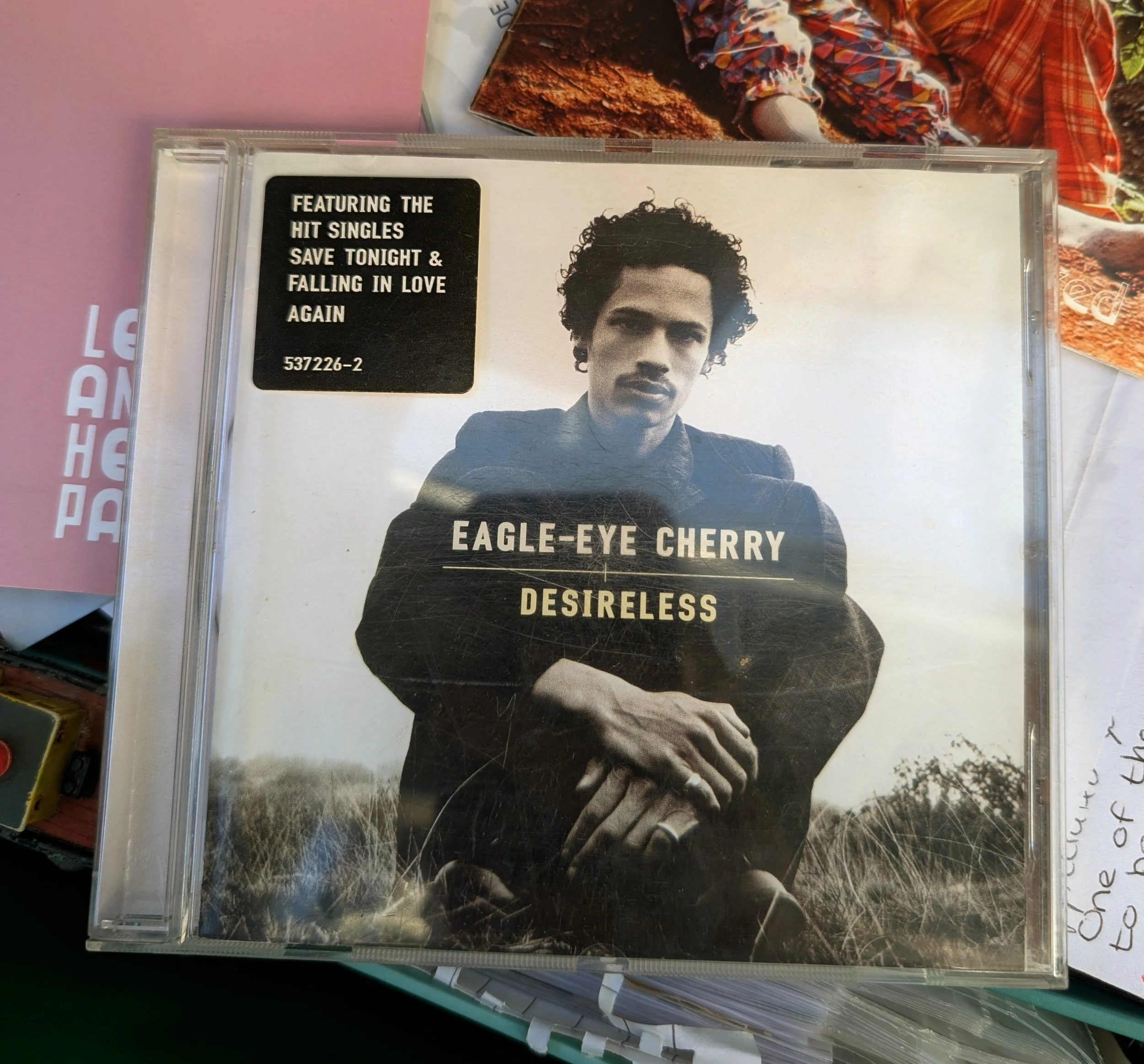
It had to happen. For all the gnawing and reluctance, I knew that there would be no workable or reasonable place to store these unplayable discs in a new house. Of course, I went through them to retrieve any especially important or collectable ones, but sifting through these boxes shone an unexpected light on so many different versions of me, many of which I’d forgotten. The first CD I ever bought was in amongst the rubble (Desireless by Eagle Eye Cherry; I can’t claim I’ve always been hip and cool, but in my defence, I was 11 years old), and so were many reminders of so many formative years. Soundtracks to key events, falling in love, heartbreaks, successes and wild failures. Songs, albums and bands that shaped me as a songwriter, a music fan and even as a person.
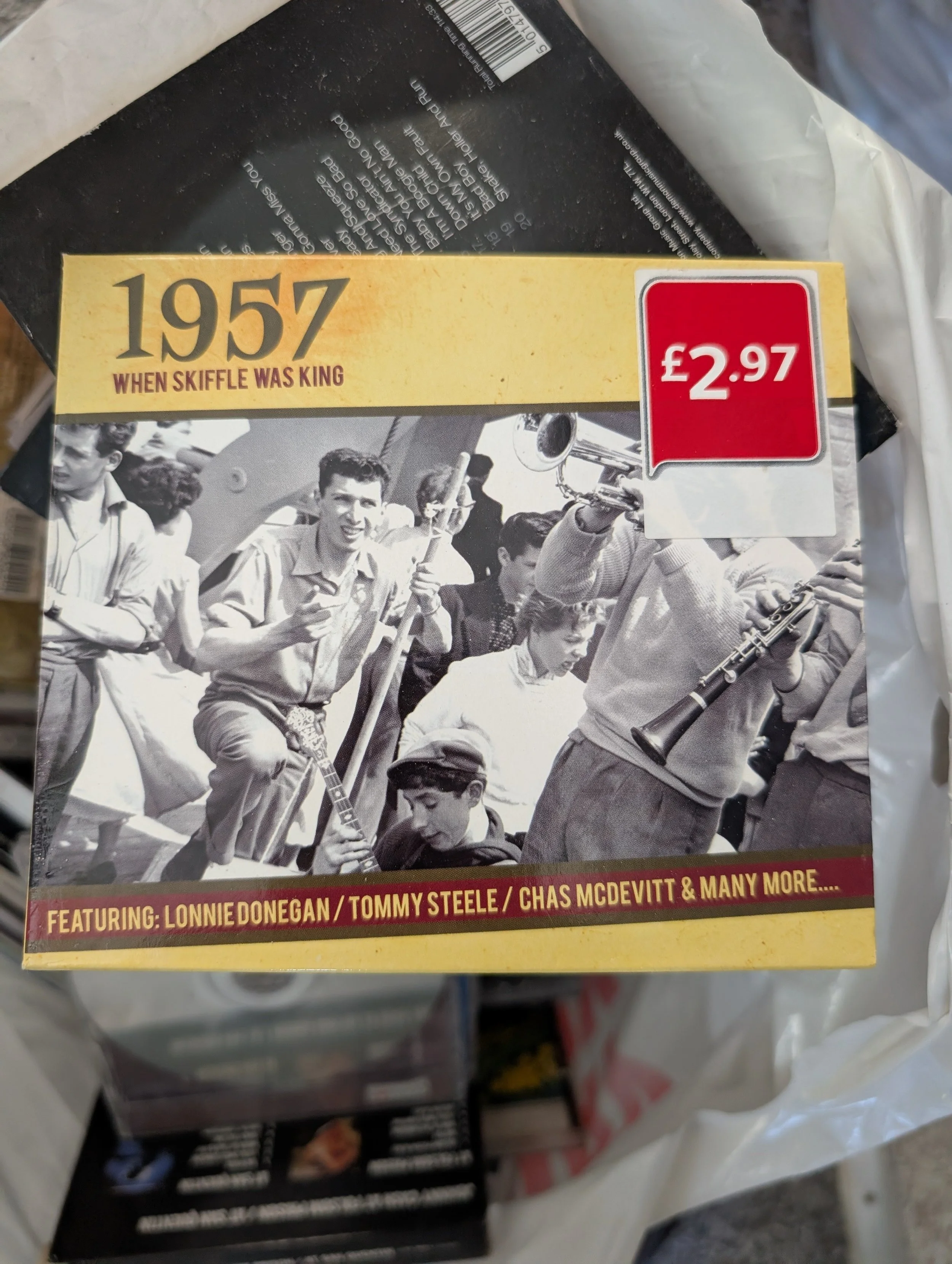
Some artefacts hold no resonance with me now, instead appearing as faded signposts for destinations that lay in a direction I never followed. Some were reminders of the paths I did follow; I worked in Woolworths for five years during some of the most formative (not to mention happiest, daftest and thrilling) years of my life, from the age of 16 to 21, right through sixth form and all the way through university. I lived with mates who also worked there in a student house, and I met a girl there who, nearly 20 years on, is now my wife. It was my first taste of quasi-independence and during this time I was in my first band and the world was up for grabs. I still dream about these days once or twice a week, and naturally, working there gave me access to many CDs, many of which were so obscure they were sold at a ludicrously low cost. Many of them turned up in these bags – ‘1957: When Skiffle Was King’ for £2.97. A 4-CD boxset of Gospel standards and early blues church songs, a fiver. ‘Music of the Orient’ – I doubt I even paid for that one. Seeing them, and their old Woolies price stickers momentarily transported me right back to those heady, endless days.
Other CDs were albums so deeply ingrained into the very fabric of me that to see them as separate entities felt a bit disorientating – seeing The La’s album, a record that undeniably changed my life when I bought it at 15 years old, as a distinct, cold object, made of metal and plastic, as opposed to an integral part of my being, so deeply entrenched by years of living that I’d almost forgotten it was there, was more than a little surreal.
For a split second, what I felt wasn’t a million miles away from the moments in Sartre’s ‘Nausea’ in which the protagonist Antoine Roquentin has sudden and instant bouts of existential psychosis, seeing various everyday objects such as stones, chairs or items of clothing as merely things that only exist as indifferent, meaningless gatherings of material, until we humans impart our own meaning into them. To hold such an important album as The La's, or Heart of The Congos, or Real Gone by Tom Waits, in my hand, during the act of bagging them up to be given away, felt bizarre. A myriad of thoughts flooded through my head, only to fade away and for me to be left with a neutral, physical object in my hand, that would soon be passed onto someone else, minus all those memories, hopes, dreams and reflections. Blank slates for someone else to project onto.
To take this – perhaps somewhat absurd – stretch of thinking one step further, in ‘Nausea’, the only thing that cuts through this existential horror and discombobulation is music. In a scene towards the end of the book, whilst sat in a café, Roquentin hears a jazz record called ‘Some of These Days’, and for the duration of the song, his nausea is soothed and he is able to simply bathe in and enjoy the present moment. It is no wonder. It’s an argument that I’ve been trying to form coherently in my head for years, and am still trying to get down to a succinct point, so bear with me, but music is the only artform that moves through time with us. We read a book on a still page, the words are passively existing in ink or on screen and we take them in and build up an internal scene or world for them to exist in; we watch a film as it is beamed towards us as we suspend our own world for the two hours it is on; we observe a finished piece of artwork or sculpture and impart our own feelings onto it, but music is different - it moves and travels with us. It is ephemeral and fills the space around us, it stays with us and soundtracks existence. Time moves in one direction, and music follows its arrow, along with us.
It is no wonder then that to be reminded of these musical moments and memories, which are often too abstract, strong or strange for words, via mere physical objects is powerful enough to stop me in my tracks.
Seeing all these reminders and building blocks of who I've been, as a music lover, a songwriter and a human, scattered in a non-linear fashion was bittersweet. Giving it some consideration, a thought popped into my head - "I hope I've done them proud". The thought was so immediate, automatic and unforced that I wasn't sure if I was referring to the previous versions of me, or the music itself.
Not that I had much time to sit and dwell on this, as my wife asked me the not unreasonable question as to why I had kept a bag of unopened greetings cards and a Rastafarian hat in the loft for the last 8 years. Well, you never know, do you?
Crikey, I didn’t expect to get that deep whilst talking about throwing away my old copy of Liquid Skin by Gomez. Anyway, enjoy the mix, it’s got plenty of good stuff in there, that will hopefully soothe even the most troublesome blight of existential nausea.
—
Matty Loughlin-Day is the only man who can find a direct line between Jean-Paul Sartre’s Nausea and a £2.97 box set of skiffle hits bought from Woolworths in 2003. A Clinical Psychologist by trade and a hoarder by inclination, he treats the clearance of his loft as a forensic excavation of his former selves. He believes that music is the only art form that moves through time with us. He is presiding over a Viking funeral for his CD collection, hoping that the smoke signals will reach the versions of himself he has left behind.
What’s Too Close to Paint Right Now - and Why?
by Eimear Kavanagh
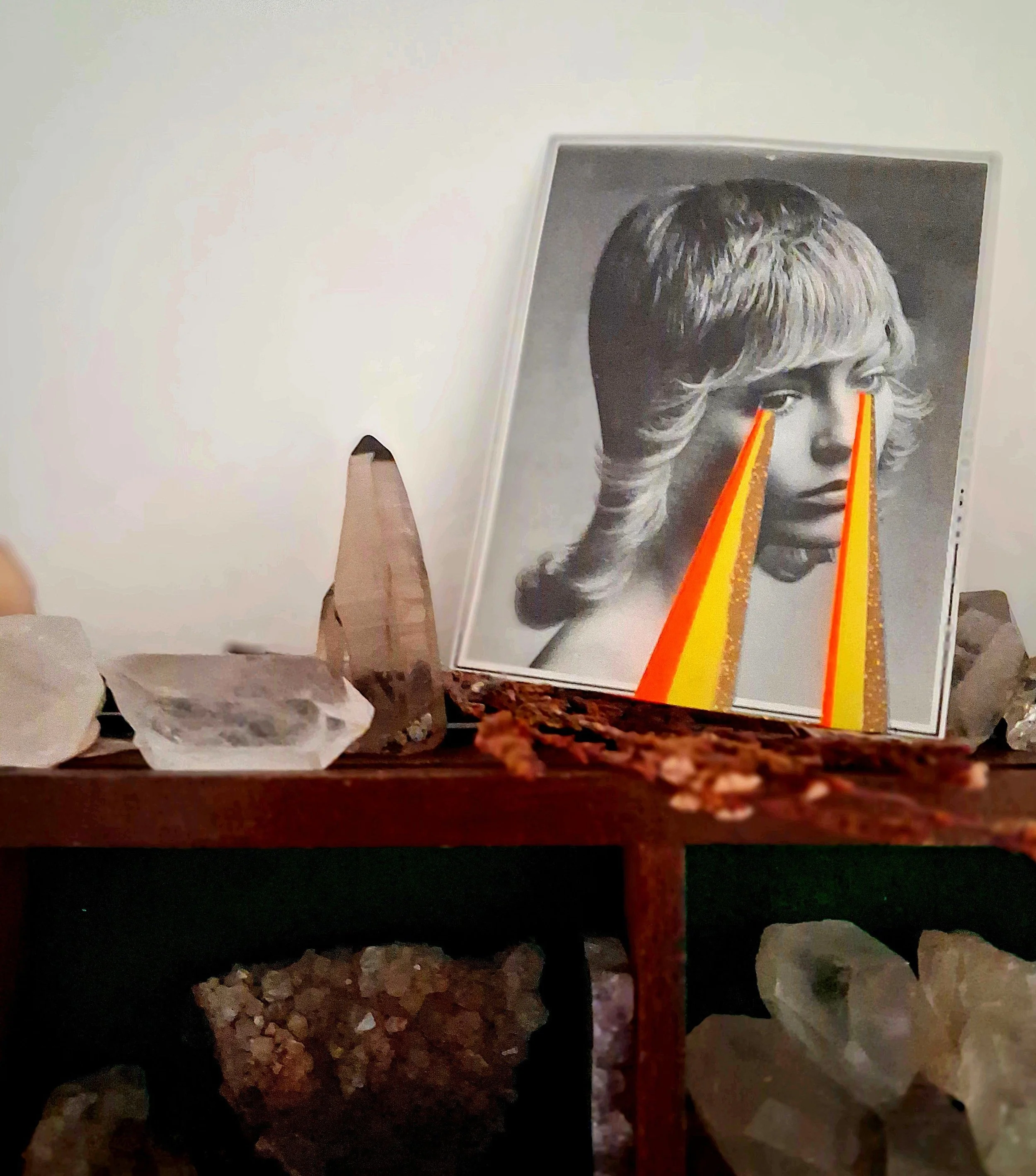
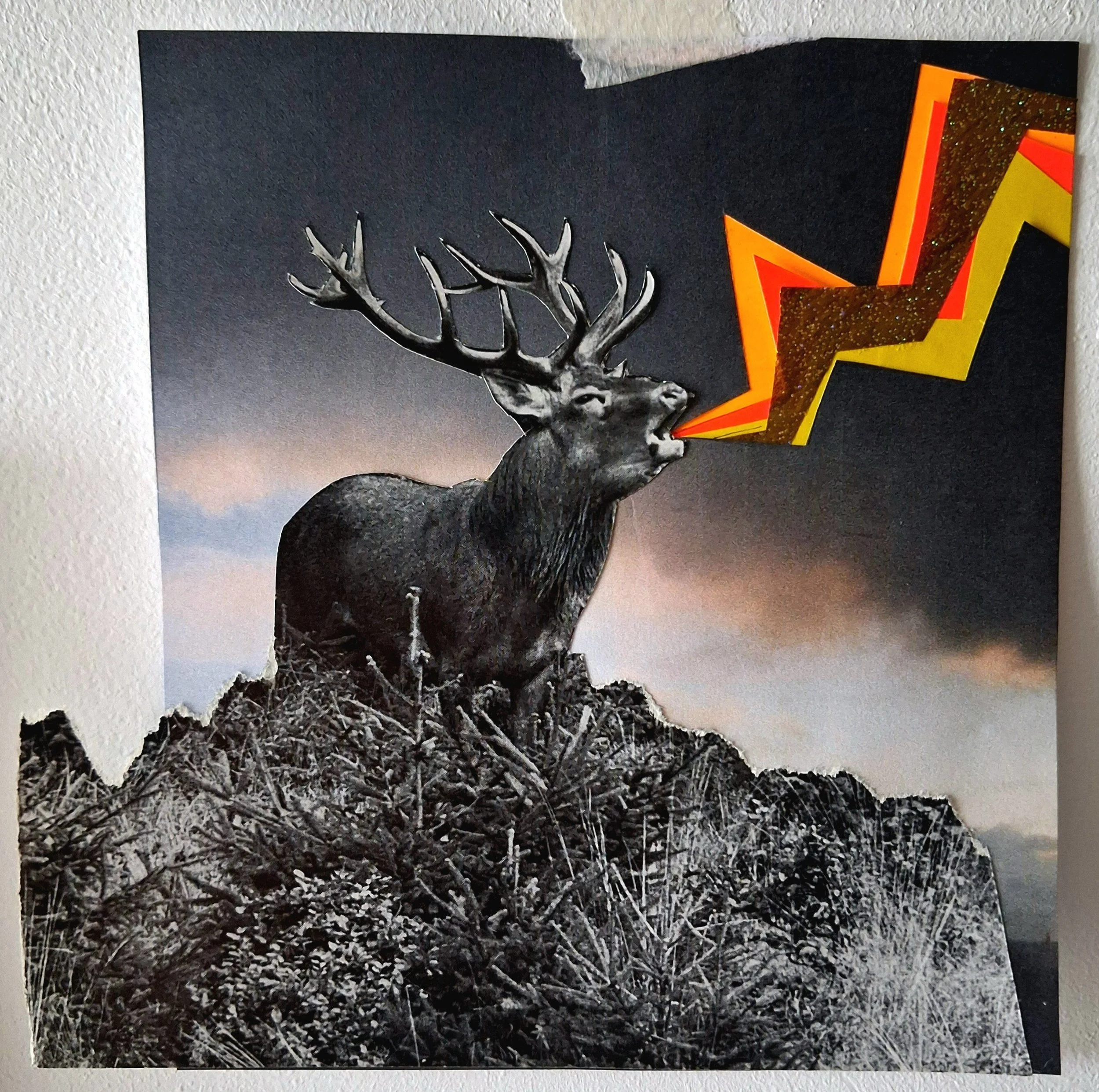
Lately, anything and everything - so it seems. The amount of uncertainty that’s happening in my life feels a lot, and this can cause creativity to come to rest.
There is a huge importance of creating but it has to be therapeutic. Some days I sense the energy is moving enough to start a process and I can take just the tiniest bit that I can to try to alchemise something successfully enough without burning out.
I think I try to avoid over exposing myself with my art. I feel safe with pictures because they can speak volumes without having to over-share, in the way that words can. So there is less vulnerability, more to hide behind. But still I get the cathartic release from the making.
Love, Eimear
—
Eimear Kavanagh has recently reclassified her studio as a "place of rest," operating on the principle that creativity is a finite resource that must be mined with extreme caution. She views art as a form of expression and a sophisticated form of camouflage - a way to speak volumes while remaining completely silent. She steadfastly maintains that the most successful artwork is the one that stands in the middle of a room and remains entirely unseen.
What Happens After the Hundred: Tigers & Flies and the Arithmetic of Persistence
by Matt Lockett
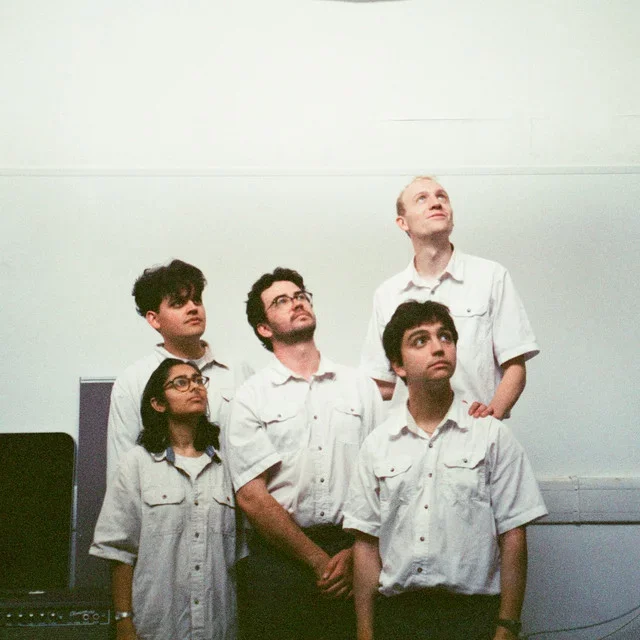
The hundred copies are gone. Not all of them - there might be twelve left, possibly fewer, the exact number depending on whether that bloke in Brighton ever transferred the money - but gone enough that the question shifts from "will anyone buy this?" to "so what now?"
This is the bit no one ever writes about. The morning after you've proved you can make something people want to possess, you're still working at the coffee warehouse. The maths teacher still has to explain fractions to teenagers who'd rather be looking at their phones. Nothing has fundamentally changed except that you now know, with uncomfortable specificity, that eighty-eight people think what you're doing matters enough to spend £25.99 on it.
The number matters because it's large enough to mean something and small enough to mean nothing. Eighty-eight people is a decent-sized dinner party if you're unhinged enough to attempt one. It's also a rounding error in any calculation of commercial viability. Violette Records pressed a hundred because that's what they could afford, which means Tigers & Flies exist at precisely the scale where making things costs real money but generates no money worth calling real.
Which would be depressing if the record wasn't actually good. Not ‘good for a small band’ or ‘promising given their age’ - good in the way that makes you irritated on their behalf that more people haven't heard it.
Listen to ‘Silver Lashing’ properly and you'll hear what I mean. Risha Alimchandani's trombone and Matteo Fernandes's trumpet don't function as decoration. They're structural, narrative voices in dialogue with Arthur Arnold's guitar and Eddie Wigin's bass and Arvin Johnson's drums. The brass enters and the song shifts. Most bands who add brass as an after-thought and get it wrong - the horns become punctuation, musical exclamation marks. Tigers & Flies use them as grammar. It's the difference between competent and genuinely good, and they're genuinely good, which makes the economics more frustrating rather than less.
The economics are worth examining. Five people scattered across Manchester, London, Brighton and Cumbria, rehearsing when they can afford the train fare, recording when they can align diaries and book the studio, playing shows that might cover petrol if they're lucky. The romantic version says they're doing it for love. The honest version says they're doing it because stopping would feel worse than continuing, and also because they're good enough that stopping would be a waste.
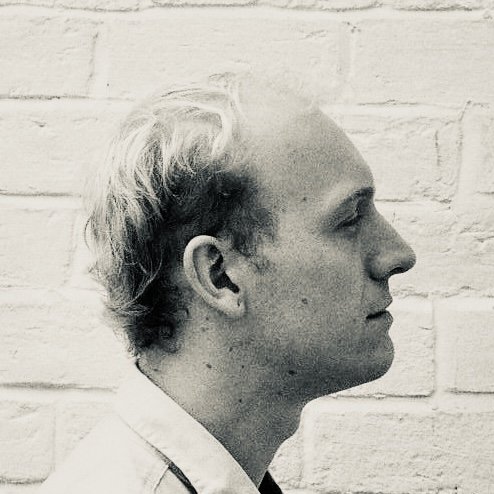
Arthur Arnold is twenty-six, studies Creative Writing at Goldsmiths, packs coffee beans for money. His first job was as a paper boy and his Sunday route took exactly one hour and thirteen minutes - the running time of A Black Path Retrospective by The Claim, his dad's band, which he played every Sunday without fail. Sometimes his dad probably doesn't believe him when he says they're his favourite band, but it's true. This explains quite a lot about Arthur's approach to music, and also why his lyrics occasionally disappear up their own cleverness in ways that a twenty-five-year-old Creative Writing student's lyrics inevitably will.
‘Compact Risk’ builds from tight nervous verses into a chorus that transforms paranoia into something communal. ‘Going To Bed’ treats retreat as reasonable response rather than defeat: "I don't know why it had to come to this, so I'm going to bed." There's a willow in that song and afternoon sunlight, and the specific exhaustion of being twenty-six and trying to make sense of things. ‘Walk In A Straight Line’ references Eric Dolphy and contains the instruction "LET THAT DOLPHY PLAY" delivered with enough conviction that you want to immediately put on Out to Lunch, which is the kind of move that could be insufferable except the song earns it by being genuinely strange.
‘Hulme High Street Ablaze’ is probably the most Manchester thing anyone's recorded this decade without resorting to obvious signifiers. No tedious references to rain or Ian Curtis, just Arthur shouting "brothers of the lung" - a phrase nicked from an evening watching The End of the Tour, apparently - over brass that cuts like wire and rhythms that refuse to sit still. It manages to be about Manchester's past and present simultaneously without collapsing into nostalgia or urban regeneration clichés. It shouldn't work. It does.
Matteo Fernandes teaches maths in Manchester and grew up listening to Lee Morgan and Clifford Brown. He's also a bloody demon on the tambourine. Eddie Wigin has moved to Sellafield to work on electrical infrastructure at a nuclear facility and plays bass lines that operate somewhere between melody and foundation. His playing has moved in a more rhythmic direction lately, mostly because he's sick of not being able to play songs properly at gigs. Arvin Johnson photographs on film - proper film that you have to develop - keeping the prints in albums with dates on the front. During their recent European tour, vending machine cheese croquettes played a pivotal role in keeping them fed and happy. This isn’t just incidental detail. It’s what allows five people scattered across three cities to justify logistics.
They have recurring conversations about "don and skunk of the week"-awards for people or places that have either helped them out or exhibited skunky behaviour. Norwich recently won don. Hull remains a repeat skunk offender. Risha Alimchandani, who works as an Editor at Manchester University and says she likes crackly noises - frying eggs, crackling fires, crunchy leaves - says her favourite song is ‘Silver Lashings’ because it has everything you could want: lyrical brass lines, gang vocals, Luddites, texture changes and lots of cowbell. She's not wrong.
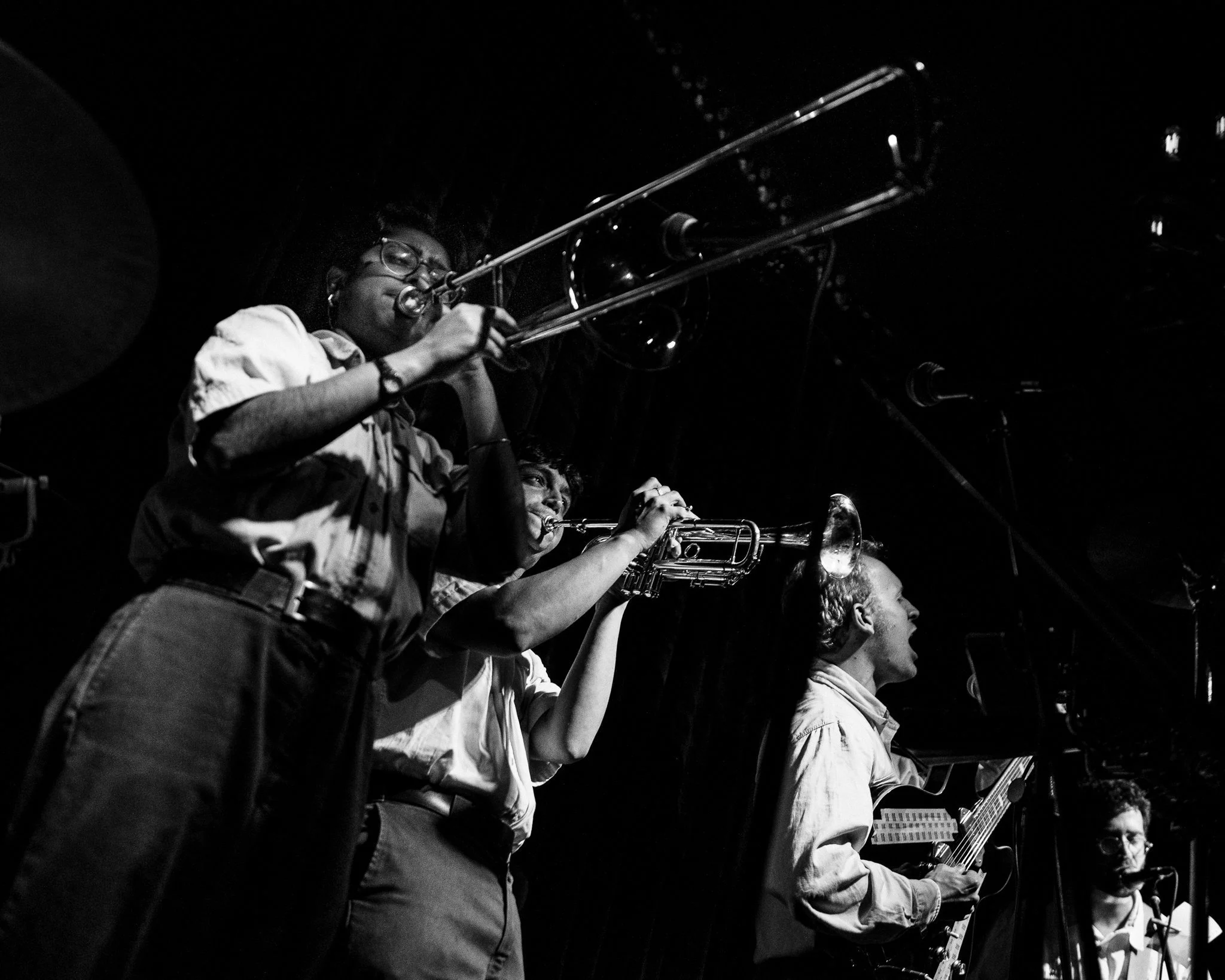
What happens at their shows is worth describing. Five people who genuinely enjoy playing together - not performing enjoyment but experiencing it - which turns out to be contagious in ways that performed enthusiasm simply isn't. You can see it in how they look at each other, the way Arvin, Eddie and Matteo lock in during percussion sections. The most connected Matteo feels to the audience is when the brass isn't playing and he can listen and groove to what the others are putting down, almost enjoying it as an audience member.
After shows, people buy the vinyl at the merch table. Cash or card, £25.99, transaction complete. Most bands have to explain what vinyl is, why it costs more than streaming, why anyone would want to own a physical object in 2026. Tigers & Flies don't have to explain because what they're doing on stage creates desire for the object itself.
The packaging of Expanded Play carries no words on the front. Just artwork, heavyweight paper stock, silk finish, the band's name tucked on the spine. This was either supreme confidence or a category error in basic marketing. Three months later we can confirm it was the former.
They're recording a full album in early 2026. This is five people who've demonstrated they can do something rare, making the thing that will show their full capabilities. Whether anyone beyond their current audience will hear it is a separate question. The structural impediments are real and probably insurmountable without external intervention - a label with significant resources, media coverage beyond scattered reviews, enough income from gigs to justify the costs.
None of this is Tigers & Flies' fault, which is precisely the problem. You can do everything right - write good songs, play them well, make records that sound great, build an audience that actually cares - and still discover that ‘everything right’ isn't sufficient. Arthur's definition of success shifts weekly, apparently, but one version goes like this: we've made it, because we get to do it. This is either naive or wise, and the distance between those two states gets narrower the longer you think about it.
What they've already proved though is that at the scale where they currently operate, making music that people want to possess rather than passively consume, they're succeeding. The hundred copies are gone because they made something worth owning. The brass works because Risha and Matteo understand they're place isn’t decoration. The songs work because Arthur writes them well and Eddie and Arvin know how to make them move.
Whether this proves commercially viable or critically recognised or simply personally sustainable is unknowable. What's knowable is that Expanded Play documents a band demonstrating capabilities most of their peers don't possess. The 2026 album - if they make it, if they capture what they're doing live - could be the thing that forces people beyond their current audience to pay attention. Or it could be the thing they make and almost no one notices except the five hundred people who buy it, and in thirty years music nerds might trade stories about seeing them in small venues.
The precedents aren't encouraging. For every Parquet Courts there are fifty bands who made records just as good to audiences of two hundred people and then dissolved because sustaining a band whilst working full-time jobs and getting no meaningful external validation is genuinely difficult.
The girl I told you about who didn't want to be at that show in Chorlton, who got converted mid-set and bought the record - she made the right choice. The eighty-eight people who own this record made the right choice. Whether the rest of you figure that out before the band runs out of money and energy is your problem, not theirs.
The hundred copies are gone. What happens next depends on variables that excellent musicianship can't control - train fares, studio availability, whether five people scattered across three cities still think it's worth it when the alternative is staying home and not spending money they don't have.
But what they've got that most bands don't is that they actually like each other, they're making music they're proud of, and they've built an audience that buys vinyl at £25.99 without being cajoled into it. That's not nothing. The 2026 album is happening - they've written the songs, rehearsed them, booked the studio - they know what they're doing - and if they capture what they're doing live, it could be the thing that shifts the variables in their favour.
Based on the quality of what's in those grooves, you'd hope they keep going. Based on the fact that they've made it this far whilst scattered across three cities with day jobs and no meaningful external support, you'd be foolish to bet against them.
The Gen Alpha Lexicography
by Maya Chen
17: 'Understood The Assignment'
Etymology: Academic/School origins, repurposed by drag culture and Twitter (c. 2021) to denote a task executed with not just competence, but flair and total conceptual alignment.
I recently attended a parent-teacher evening wearing what I thought was a sensible, approachable outfit. My daughter surveyed me before I left, gave a slow, approving nod, and said, "Okay. You understood the assignment."
I felt an absurd rush of pride. I had not just dressed myself; I had correctly interpreted the unspoken semiotic brief of 'Responsible Yet Relatable Mother' and executed it to a standard that satisfied the judges.
'Understood the assignment' is the ultimate praise for a generation that views life as a series of performative briefs. It implies that every social interaction, every outfit, every Instagram caption is a test with a specific, hidden marking scheme. To 'understand the assignment' is to intuitively grasp the vibe, the aesthetic, and the required energy of a situation, and then to deliver it perfectly.
It turns existence into a constant state of freelance pitching. We are all just contractors, waiting to see if our delivery meets the client's expectations. Did that celebrity 'understand the assignment' at the Met Gala? Did that politician 'understand the assignment' in their apology video?
The phrase suggests a comforting order to the universe, that there is a correct way to be, a right answer to the question of how to exist in any given moment. But it also reveals a terrifying pressure. Because if you can understand the assignment, you can also fail it. And in the ruthless court of public opinion, failing the assignment doesn't just mean a bad grade; it means social irrelevance. We are all just waiting for our performance reviews.
Next time: 'Mother' - When a pop star becomes a matriarch and actual parenting becomes irrelevant.
—
Maya Chen has concluded that Gen Alpha slang is not exactly a dialect, but a form of low-level terraforming. She believes that every time a teenager says "Understood the Assignment," they are actively rewriting the structure of the social contract, replacing human nuance with binary code. She is currently attempting to distil the concept of "cringe" into a physical liquid, which she plans to market as a high-strength industrial solvent.
This Ain’t the Public Library, Light Fingers
by Nik Kavanagh
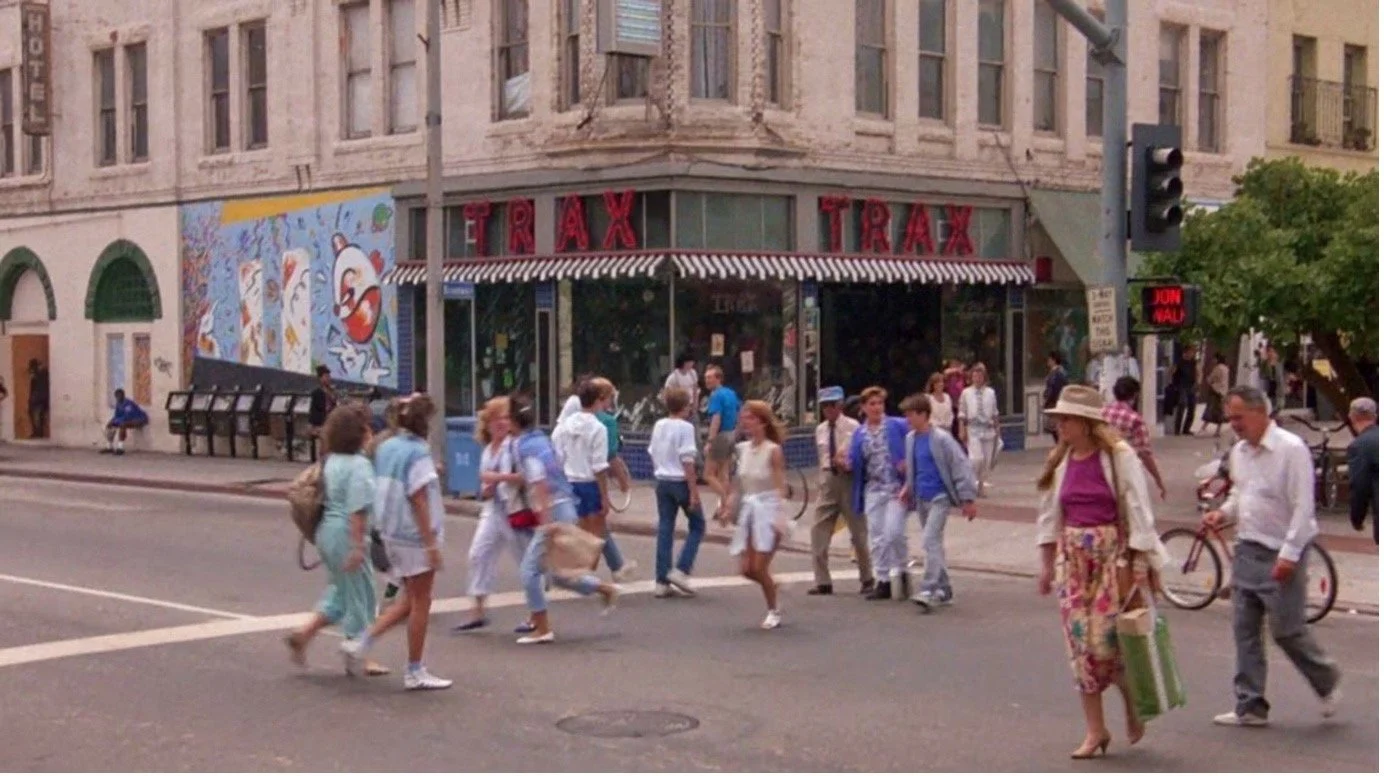
When I was younger, I always wanted to work in a record shop but not any old record shop. I wanted to work in the cool record shop based in the fictional town of Shermer, Illinois. The place with the “shitty alarm system” where shoplifters are dealt with by a staplegun shot to within “half an inch” of the eye. The place where posters of The Smiths are plastered on the walls and the ‘Low Life’ portraits of New Order seem to move from shelf to shelf. That’s right - I wanted to work in Trax from Pretty in Pink.
I fantasised about being the one to drop the needle into the grooves on the Otis Redding record to annoy the neighbours and in doing so inadvertently summon forth an impassioned lip-synch to ‘Try A Little Tenderness’. I yearned to be there whilst Andie tried on sunglasses behind the counter before hastily launching them when her schoolyard crush walks in. I’d make myself scarce and chuckle knowingly from a distance as Andie sarcastically refers to the Steve Lawrence vinyl, that said crush is flirtatiously enquiring about, as being “Hot, White Hot!”
In these daydreams I would be all new wave in my fashions and mooch around the shop nonchalantly readjusting header boards as Echo & The Bunnymen shiver and say the words of every lie you’ve heard. I would bound into Trax for each shift eager and excited to catch up on the latest developments in Andie and Blane’s star-crossed love affair, which in this instance sees the protagonists separated by bank accounts rather than family rivalry. In my more philosophical moments I would ponder the notion that the store's name may hold some deep symbolic significance. Could Trax be a metaphor for Andie and her tribe literally being the wrong side of the tracks?
While it would be thrilling for me to be in the same space where Philip F. ‘Duckie’ Dale utters the immortal line “Blane? His name is Blane? That’s a major appliance that’s not a name!” that wasn’t the main thing that appealed to me about working there. The reason I longed to work at Trax was the eccentric, eclectic manager of the store, Iona. I relished the thought of having Iona as my boss and me being the one to applaud, applaud, applaud when she finishes her uber cool window display of unspooled cassette tape and vinyl attached to the ceiling. She would be my style icon and I would bask in the afterglow of her “volcanic ensembles” from cat eyed platinum blond to spiky haired, PVC clad punkster.
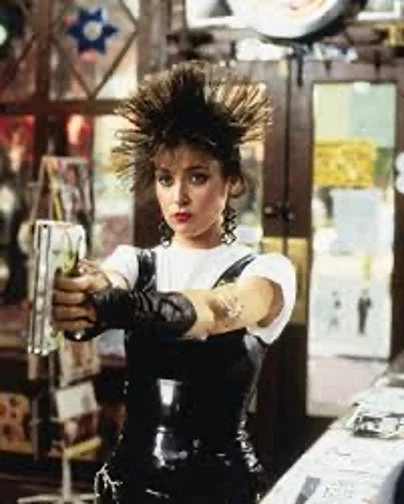
In my imagination I would be the one that Iona would say was her kid so I could gain entry to CATS nightclub. When answering the in-store phone I would copy her sassy salutation of “Trax, what do you want?” And it would be me who would sway gently to the heavenly harmonies of The Association as she updated me with details about her latest romantic escapades “new guy, Terrence, owns a pet shop.”In times when I found myself wracked with indecision, feeling trapped under the weight of conformist expectation and societal tradition, Iona would offer me counsel and soothe my troubled mind with her wise words “you could say life itself is just a stupid tradition but don’t analyse it, just go with it.”
If, for whatever reason, Trax closed I would obviously be heart broken but I’d like to think me and Miss Iona would remain close and stay in touch. We’d regularly meet at a Rave-Up’s gig and shoot the shit about the old days. I’d bemoan my joblessness and she’d suggest I check if they were hiring at Motor Mouth Records from Hairspray or failing that to make enquiries about some hours at Cockamamie's, the collectibles shop owned by John Waters in The Simpsons. Thanks Iona, I know I can always count on you.
What’s the fictitious shop you’d most like to work in? Give it some thought. A bright future in imaginary retail awaits!
—
Nicholas ‘Nik’ Kavanagh has resigned from the physical world to pursue a lucrative career in theoretical commerce. He spends his days standing in empty rooms, waiting for a director to yell "Action!" so he can begin his shift as a surly clerk in a shop that only exists on a dusty VHS tape from 1986. He has recently begun filing official complaints about the "pacing" of his Tuesday afternoons, arguing that the narrative tension is insufficient to justify the running time. He is refusing to leave his house until the lighting is "emotionally correct," insisting that he cannot be expected to perform a monologue in anything less than a moody, high-contrast shadow.
Seven Ways to Leave Your Limits
with Alex Pester
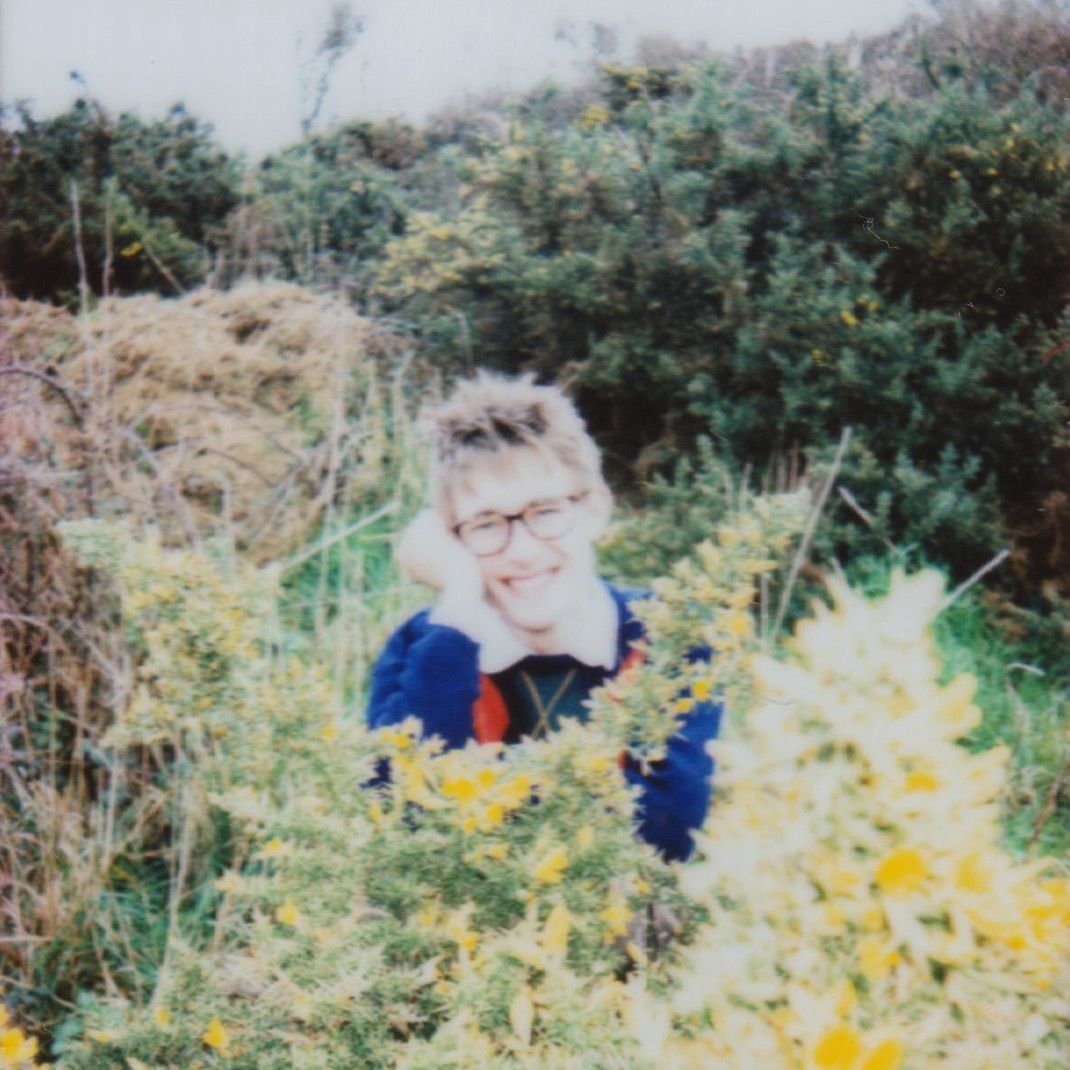
Alex Pester released his album Better Days with us at Violette Records in 2023. Since then, while the rest of us have been busy overthinking our coffee orders, he has released seven more albums. Yes, seven.
There is a prolific, restless energy to Alex that borders on the supernatural. His music, born out of contradictions, balances a desperate desire to connect with a deep, diaristic introspection. His songs are private entries written in technicolour.
On Friday 6 March, he released not one, but two new albums. If It Rains All Day is a collection of "music with a coastline," designed for evenings when the wind slants the streetlights - an atmospheric attempt to refine the themes of his earlier work. Its counterpart, the self-titled Alex Pester, is his most diaristic yet, a set of songs about longing and thankfulness that features absolutely no electric guitar.
● Two albums at once last Friday. Talk me through the thinking - what made this feel like the right way to do it?
I think it was a good time to try something different. I’ve got absolutely nothing to lose and everything to gain by giving my fans as much of me as I can.
● If someone's never heard your music and asked you to describe what you do, what would you tell them?
I make as much music as I do because I love drawing album covers. I sneak into churches and record their pianos. It’s all very guerrilla!
● What makes you start something new? Is it a feeling, an idea, a sound - what's the trigger?
Mostly lack of satisfaction with the last thing I made. It often comes from a desire to make chord patterns that make my brain happy or intrigued and follows in lots of layers.
● When you're in the middle of making something, do you know what it is, or does it only make sense once it's done?
It tends to take shape after the fact, with a notable exception being my album The English Hymnal. That was very intentional and parts were properly laboured over. I tend to treat projects like a jazz player, albeit a very complacent jazz player that requires endless takes and the patience only mustered by compulsive self recordists.
● What's the moment in your music so far where you thought, yes, this is working - I’m doing what I'm meant to be doing?
Teaching children. Ironically enough the most satisfying musical experiences I’ve had have been outside of the music industry, which I was never a part of anyway.
● When you're making all the decisions now - the sound, the artwork - whose voice do you hear in your head?
I don’t do the big decisions quietly. I live with my parents so if what I’m making is even slightly shit they will be quick to enlighten me. I love that about them, it’s the best voice you can have while creating.
● Is there something you want to do musically that you haven't figured out how to do yet?
Record a choir, learn to play the recorder.
● When did you stop making records for other people's approval and start making them for your own reasons? Or have you?
I still check all the familiar sites and I care what people think of what I do. I think I’ve just largely given up on my music reaching a wider audience so I’m not tailoring it to anyone’s preferences but my own.
● If you could engineer one specific thing to happen with your music in the next five years - what would it be?
Work with more people and tour again with Sarah.
● When you look back on your albums, which one would you defend to the death?
The English Hymnal.
Listen : If It Rains All Day | Alex Pester
The Last Honest Man in Pop
by Fiona Bird

Kevin Rowland is possibly the final artist left who doesn't know how to package his damage for easy consumption. At seventy-two, in an era where vulnerability has been turned into content and trauma into brand strategy, he remains stubbornly, catastrophically authentic which makes him either precious or insufferable, depending on your tolerance for unfiltered psychological carnage.
I've been watching this man apologise in public for thirty years, which has given me a front-row seat to something approaching extinction: genuine shame, unmediated by therapy-speak or strategic image management. While his contemporaries learned to transform their struggles into inspirational narratives, Rowland continues offering the raw materials of human failure without any helpful instructions for assembly.
The contrast is stark when you consider what passes for authenticity in contemporary pop culture these days. Artists now employ teams to craft their vulnerability, testing their confessions in focus groups, optimising their breakdowns for maximum relatability. Mental health becomes a talking point, addiction becomes a redemption arc, childhood trauma becomes the origin story. Everything is packaged, processed and delivered with the implicit promise that sharing pain leads to healing, growth and ultimately, success.
Rowland operates from a different rulebook entirely. His memoir Bless Me Father reads less like celebrity confession and more like evidence submitted to some cosmic court. There's no arc of triumph, no inspirational message about overcoming obstacles. Just the relentless cataloguing of his worst behaviour. His treatment of women, by his own admission, was appalling, with the book describing how he pressured a girlfriend to have an abortion, something he later regretted, and had very limited contact with the resulting daughter for much of her life. The professional self‑sabotage was equally thorough: alienating bandmates, insulting peers, pursuing perfectionist visions that bankrupted him creatively and financially, alongside the cocaine-fuelled destruction that took everything else. All delivered with the matter-of-fact tone of someone making an inventory before a fire sale.
"Cocaine became my life," he told Vice in 2016. "I was a maniac. I could not stop taking it, no matter what the reason." Compare this to how contemporary artists discuss addiction: carefully framed around recovery, optimism and personal growth. Rowland offers no such consolation. His addiction took everything, left him claiming benefits in North West London, and the primary lesson seems to be that some damage doesn't get undone, just managed.
The economics alone separate him from the modern authenticity market place. Rowland has systematically destroyed his own commercial prospects, through drugs, through the My Beauty album's deliberate provocation, through decades of refusing to play the heritage game properly. In this industry where former addicts monetise their recovery stories and past scandals become tour selling points, he's left millions on the table through the sheer inability to transform his pain into profit.
His 1999 solo album still remains the purest example of this anti-commercial honesty. My Beauty featured cover art of Rowland in full makeup and dress, which wasn't progressive or provocative in any useful sense, it was simply what he felt like doing, regardless of consequences. The album sold over 20,000 copies worldwide, which Creation Records counted as underperformance, but Rowland seemed genuinely surprised anyone expected it to sell at all.
This is what separates authentic from performed authenticity: Rowland's confessions make nobody feel better about themselves. Contemporary vulnerable pop offers catharsis, community, the warm glow of shared experience. Rowland offers nothing but unprocessed psychological data, delivered without interpretation or comfort.
"I'm not that proud of what I've done," he told Vice, displaying the sort of genuine self-loathing that would be career suicide for anyone who hadn't already committed career suicide multiple times over. Modern artists know that self-deprecation must be balanced with self-care messaging, that admitting failure requires demonstrating growth. Rowland just admits failure and moves on to the next admission.
The Catholic guilt that runs through everything perhaps provides the key difference. Raised in what he describes as a "very strict Irish Catholic family," convinced from childhood that misbehaviour meant eternal damnation, Rowland operates from a psychological framework that predates therapeutic culture entirely. His shame isn't something to be worked through and transcended, it's this fundamental organising principle, as immutable as gravity.
This creates music that functions differently from its contemporaries. ‘Come On Eileen’ works precisely because it's performed by someone who genuinely believes he doesn't deserve happiness. The Celtic melancholy, the desperate joy, the sense that everything good is temporary. This isn't crafted for emotional impact, it's the authentic by-product of psychological damage transformed into three-minute pop perfection.
Recovery, achieved through twelve-step programmes since 1993, hasn't softened this fundamental honesty. If anything, it's sharpened it. Where modern recovery culture emphasises healing, growth, and moving forward, Rowland's version seems focused on accurate inventory of past failures. The programme hasn't cured his self-loathing, it's simply made it more systematic.
What he offers that nobody else does is genuinely uncomfortable truth-telling. His memoir doesn't inspire; it implicates. His interviews don't heal; they diagnose. His continued existence as a public figure serves as reminder that some psychological damage doesn't get better, just more precisely documented.
This makes him historically significant beyond his musical contributions. In a culture where authenticity has been completely colonised by brand management, where every whisper is market-tested and every flaw polished for maximum engagement, Rowland represents something approaching fossil record - of what honesty looked like before it became all strategic.
Whether this makes him admirable or tragic depends on your perspective, but it certainly makes him rare. He's the last major pop figure who seems genuinely incapable of turning his damage into a positive marketing tool, who offers his failures without any accompanying message of hope or growth.
At seventy-two, he continues the same pattern: writing songs, giving interviews that systematically undermine his own achievements, processing his worst behaviour through public examination. The band played Glastonbury in 2024 to audiences who mostly wanted to hear forty-year-old hits, and he obliged while maintaining that he's "not that proud" of the material that defined his career.
In this era of calculated vulnerability and managed mental health awareness, Kevin Rowland stands as possibly the final example of what authenticity looked like before it became a career strategy. His honesty serves nobody - not his commercial prospects, not his public image, not even his own psychological wellbeing. It simply exists, raw and unrefined, a reminder that some truths remain too uncomfortable for the authenticity marketplace to absorb.
Whether this makes him the last honest man in pop or simply the last one who doesn't know when to stop talking is a distinction that may have lost all meaning. In either case, when he's gone, we'll have lost something we won't know how to replace: someone who told the truth without expecting it to make anyone feel better.
—
Fiona Bird views the music industry as a site of ongoing demolition. She spends her weekends sifting through the rubble of cancelled tours and deleted tweets, looking for the "load-bearing walls" of genuine human error. She believes that career suicide is often the most creative thing an artist ever does. She is currently working on a field guide to the specific acoustics of rock bottom, trying to capture the precise sound a reputation makes when it hits the floor without a safety net.