
Science & Magic | 26
There's a book on the table next to my bed. It has been there since May 2025. The bookmark is a single-journey ticket from London Euston to Manchester Piccadilly dated 14 May 2025, which means it was almost certainly placed on the page where it now sits during the journey back, somewhere between Stafford and Crewe, with a lukewarm Americano with that rainbow hue surface residue and a carriage ahead of me filled with day tripping school kids off their collective tits on Haribo and Snapchat.
The book is Stories of Your Life and Others, by Ted Chiang. Eight short stories in a paperback. It's a book that should be finishable on a long flight or a wet weekend. I am on page 117.
Page 117 is, in my edition, a few pages into the title story. The title story is the one they made into Arrival. It's where a linguist learns the language of a non-human visitor, and in the process of learning it, comes to perceive time the way her interlocutors do. Not as a forward arrow thing but as an unfolding shape thing, with every moment present all at once. The end of her life and the beginning of it are visible in the same glance. I only know this because I’ve seen the film. Twice. I have, in the last twelve months, advanced approximately fourteen pages.
This is the bit where I’m supposed to claim I’ve been too busy. I’ve not been too busy. I’ve been entirely available to read the next pages of Ted Chiang's most celebrated short story on roughly two hundred occasions and have, on every one, decided that I would rather look at my phone or rinse a pan or think about death for twenty minutes. The book is not difficult. I’m difficult.
What I suspect, after nearly a year of stalemate, is that the book is the only honest answer I can give to the question of what else have I done with the last twelve months. I have been in the middle of Stories of Your Life and Others by Ted Chiang. I have also been in the middle of rearranging the garage, three apologies I have been composing for a friend who has not noticed he is annoyed with me, an unsent email to a man called Stephen and a relationship with running shoes that have, by mutual unspoken consent, settled into a polite long-distance arrangement. I am the person in the middle of all these things.
A slow project is supposed to be the noble project, right? In reality, the slow project is the project you cannot quite face and cannot quite drop. It sits on the table next to the bed and has long since given up beckoning you.
There is, of course, one exception, and the timing of it is on my mind this fortnight. Science & Magic went out for the first time on 30 May 2025. Ted Chiang appeared on the bedside table two weeks earlier. The bookmark in the book may not have moved very far but this newsletter has, against any serious expectations, gone out twenty-five times. Twenty-six, including this one.
I won't pretend I have any explanation for that. Chiang’s is arguably a better read. It’s shorter and does not require me to email anyone or commission anything or sit at the kitchen table at 6.40am wondering whether what I have just written is actually as shit as I think it is or not. Ted asks only that I read him. It is by far the easier of the two.
But Science & Magic has a fortnight. It has a Friday deadline that is not me and a volume of people who, by some fantastic collective error of wonderful judgement, have come to expect it. Chiang's book has my conscience, which is easier to negotiate with than you people.
I actually went to find the book last night, intending to advance a page or two by way of marking the occasion. The bookmark was where I had left it. It prompted me to write this piece and the heavy poignancy of that meant I couldn’t bring myself to advance it any further.
The heptapods would’ve called this “a present moment containing all the others.” A year, with the bookmark stuck on page 117. A year, with twenty-six issues. The two things, somehow, the same length.
The issue, by way of marking our landmark first anniversary contains Graeme Bird, a foundational member of Shacknet, and therefore Violette Records, on ten of our questions, Jeff Young in Keith's Wine Bar with George Melly in a striped lilac Chicago gangster suit, Matthew McPartlan on a drug heist in uptown Manhattan featuring a pitbull called Bruno, Victoria Raftery with three eulogies lodged with a solicitor in Cheadle Hulme, Matty Loughlin-Day with a Bulgarian folk song prescribed for the curse of the fader hand, Maya Chen on her eleven-year-old's recent decision that he no longer requires anyone's approval, Eimear Kavanagh in a hedgerow, Donna Marsh, our newest contributor, counting cash in a Brussels production office at eleven in the evening and John Canning Yates with a closing acoustic that came home with him after he heard Eddi Reader sing the original.
There is also Pete Paphides on the Belle and Sebastian World Cup song that has returned him, between its first chorus and its last, to a nine-year-old shamelessly aligning himself with Ally's Tartan Army.
Happy birthday to us.
Matt
Ten Questions
by Graeme Bird
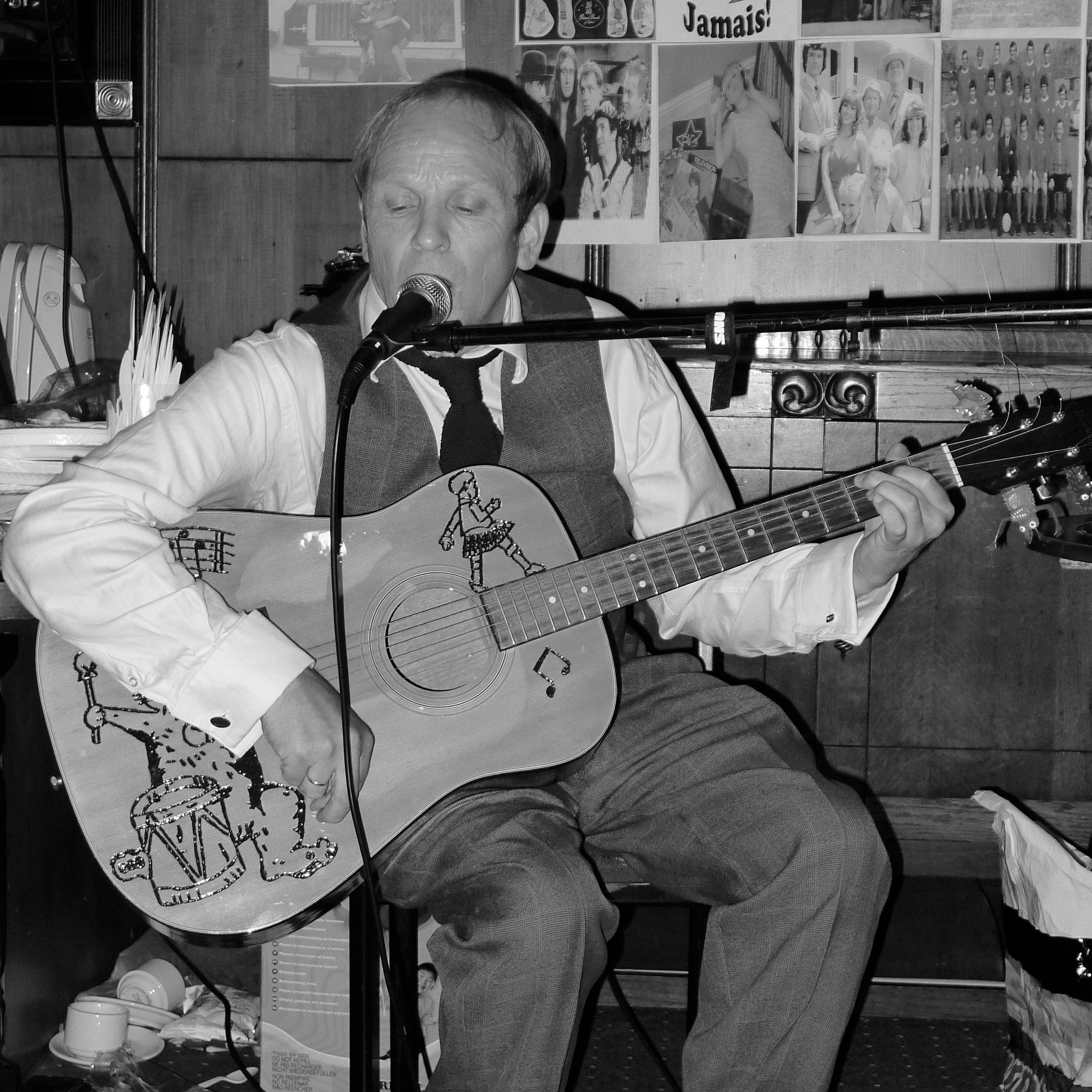
Graeme Bird is a constant. He is foundational to the community that eventually became the world of Violette Records, though he’d likely be the first to downplay it.
I first came across Graeme nearly thirty years ago on the Shacknet website - a message board populated by a disparate bunch of music-savvy obsessives, all gathered under the banner of the music and antics of Michael Head, Shack, and The Pale Fountains. That digital space eventually transcended its original purpose, becoming a rare and very real community of people who would meet in Liverpool and follow their band across the country. Graeme was the heart of that world; a prolific, omnipotent presence on the forum who meticulously looked after the culture we were all living through.
I still bump into Graeme at gigs today. He has a knack for appearing from nowhere, and we inevitably pick up exactly where we left off, whether it’s been two weeks or two years. He hasn't changed in all the time I’ve known him; he remains inquisitive and sincere, entirely comfortable in his own skin. Hailing from Woodchurch on the Wirral, he is a founder member of Shed - the original and best Shack tribute band - and an all-round top fella. He’s officially Tracyanne Campbell’s biggest fan and those rumours of restraining orders were grossly unfair.
So I invited Graeme to step out of the front row of the audience for a moment to select ten questions from our archive. His responses serve as a guide to a life shaped by transistor radios, cosmic shocks and the enduring belief that the best songs are the ones that eventually become part of your very being.
● What is your favourite song from a film soundtrack?
I watch a lot of the same films over and over - nothing really highbrow, but films that struck a chord. My friend says, "You are like a big girl!" When Jordan is home, which isn't often, he will cajole me into watching stuff with subtitles and the like; quirky brain twisters. I do enjoy watching interesting stuff, and PJ had some great ones on at the Brink Sunday night film club. Matt, you may have to edit my ramblings. So what to choose? Probably Karen O’s 'The Moon Song' from Her. It’s locked in at just the right time - such a simple, moving song. Honourable mentions: 'Just Like Honey' in Lost in Translation - again, perfectly positioned - and 'Canción Mixteca' in Paris, Texas.
● What was the first record you bought with your own money?
At school all that time ago, I used to take a small transistor radio in every Tuesday (or was the charts Wednesday?). I would get onto the playground at dinner time to listen to the chart countdown. Sometimes number one was awful, stuff like 'Eye Level' by the Simon Park Orchestra. The first record I owned was bought by my mum: 'Take Me Bak 'Ome' by Slade. The first record I bought with my own money, on a very brave bus ride to Birkenhead after school, was 'Blockbuster' by The Sweet from Rox Records. A rip-roaring tune, I'm sure you will agree.
● What Top of the Pops performance changed you?
I will be surprised if nobody has mentioned David Bowie doing 'Starman' on Top of the Pops. It was like nothing else, ever. The look was the thing and the song was quite cosmic. I seem to remember both my sisters shrieking quite loudly in horror. These were different times, and although I always had Bowie's name in black felt-tip on my school bag and a few singles, it was only later that I really devoured everything by him, around 1979.
● What’s a single line from a song that has stuck with you like a mantra?
A single line from a song... this will be tricky. I am tempted to write "She still lives inside of me, we've never been apart." I could use probably a hundred lines from Blood on the Tracks. I am an old romantic fool and break-up albums get me every time. See also any of a hundred lines on King of America. These songs, like for many people, are not mine; they were not written for me or about me. I take them, shelve them in my memory, and despite this, they do belong to me. They become my DNA and I carry them forward to call on them at will, when needed.
● What was the last gig that genuinely surprised you?
I was genuinely surprised - and it was La Violette Società, so I shouldn't have been - by Westside Cowboy upstairs at Leaf on Bold Street. They were younger than a lot of acts I have enjoyed at these events, which obviously shouldn't and didn't matter; it's just an observation. They captivated me from the opening few chords. The chemistry, enthusiasm, and craftsmanship of their set was awesome. They had the misfortune of parking their collective arses on the couch behind me. We had a long discussion; they were charming, tasteful, welcoming, and the scope of their knowledge and influences was amazing.
● Which artist do you think is criminally underappreciated?
It's hard to know if Conor Oberst is criminally underrated. I don't know Bright Eyes particularly well, but his solo stuff really knocks me out. I was lazy for a long time. I bought Alexa when she first appeared; she was easy. She is now first-gen and I think the plug’s been pulled, which is great as I am playing records again (and tapes). Before she threw her hand in, I would listen all day because I work from home: "Alexa, play Fleet Foxes, play Radiohead, play Conor Oberst." Because of the nature of the "event," this would be at least five hours of the artist. You get to hear everything, enough for it to sink right in. I put his Ruminations album happily in my top five albums.
● What song would you send into space to represent humanity?
What song would I send into space? At the moment, or whilst typing this, I will say 'I Trawl the Megahertz' by Prefab Sprout. It’s a brilliant observational piece that touches on human frailty and how a mind, a brain, a feeling pours out or inwards. We all live with ourselves and have these conversations and thoughts most of our awakened hours. The space between what at times seems nonsensical personal dialogue is very much the human condition. I would send it to space as a clue to being human. I wouldn't bury it in the Blue Peter garden.
● What’s your favourite cover version?
Favourite cover version...again, this will be tricky. I’m going to pick 'To Sir With Love' by Susanna Hoffs. It’s really true to the original, but I think it conjures up a lost time of innocence. I love the film and also this pulls on the heartstrings some. The directness of the lyric - it's not trying to be clever, but it's captivating. I could pick a hundred and seven great covers.
● What song reminds you of someone you've lost?
'Who Knows Where the Time Goes?', specifically the Sandy Denny and The Strawbs version. It reminds me of my mum and even though I doubt she knew it, it was played at her funeral. It’s one of those timeless pieces like 'Montague Terrace (In Blue)', 'Madame George', etc. In the early 2000s, Nick did his Seekmagic mixes. I still listen to them pretty much every day on my walk. Nick Cubley and Geoff King have flawless taste and have given me so many fantastic tunes that I wouldn't know otherwise.
● What's the last song that made you stop whatever you were doing and just listen?
The last song that made me stop and listen: Bleachers’ 'The Van’. It’s a take on one of my favourite Blue Magic songs, ‘I Just Don’t Want To Be Lonely’. In the 70s, or early 70s, I would listen to that Blue Magic eponymous album a lot. It’s a new song and I heard it on RadMac, a radio show I listen to Saturday and Sunday. It took me back to then, a time when Black Music and Reggae would always be on the stereo in our house because of my older sister. When punk hit and new wave filtered through, there was still a place for that music in my collection.
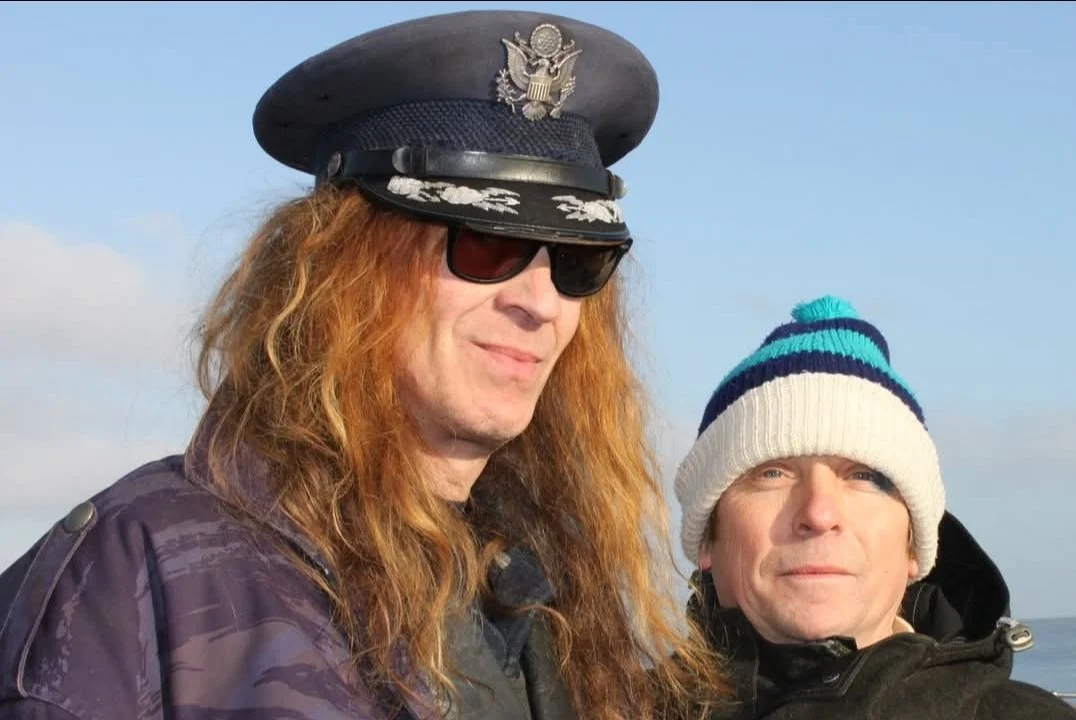
Saint Julian and GB
Magnetic North
by Jeff Young
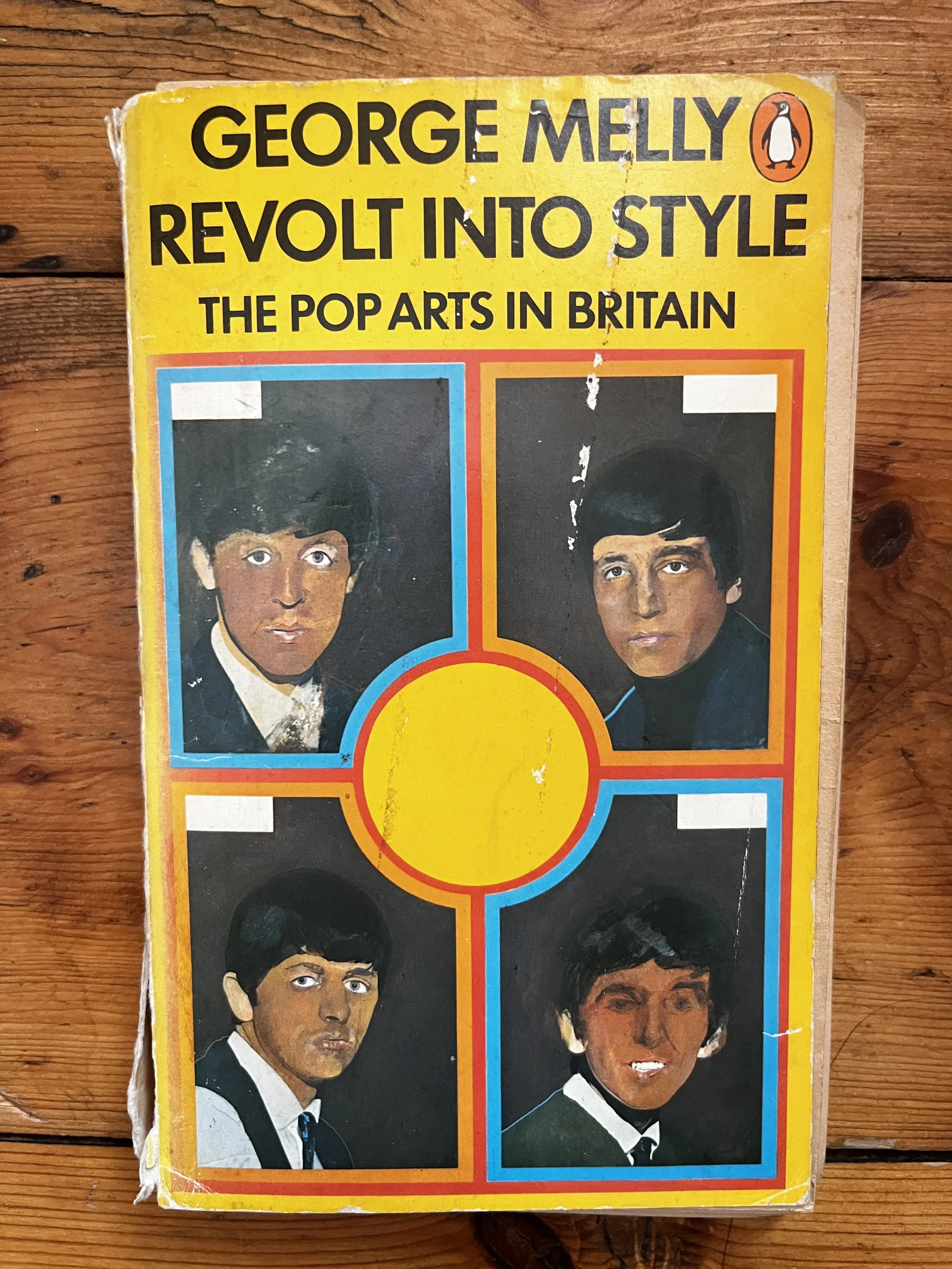
26 : Revolt Into Style
Once, in Keith’s Wine Bar on the Lane, in the middle of telling a drunken story to the woman behind my bar I turned to see a man dressed like George Melly who turned out to be George Melly. Striped lilac Chicago gangster suit, black and white spats, silk scarf like a bouquet, Al Capone hat, fat cigar jammed between fat fingers and the leering grin of a voluptuous sacred monster. When I stepped aside to let him order his lunch he patted me on the arm and said, ‘Never let a plate of sardines get in the way of a good story!’ I can’t remember what the story was, but he stayed to listen. And at the end of the story, he bought me a Burgundy and we gave each other a hug.
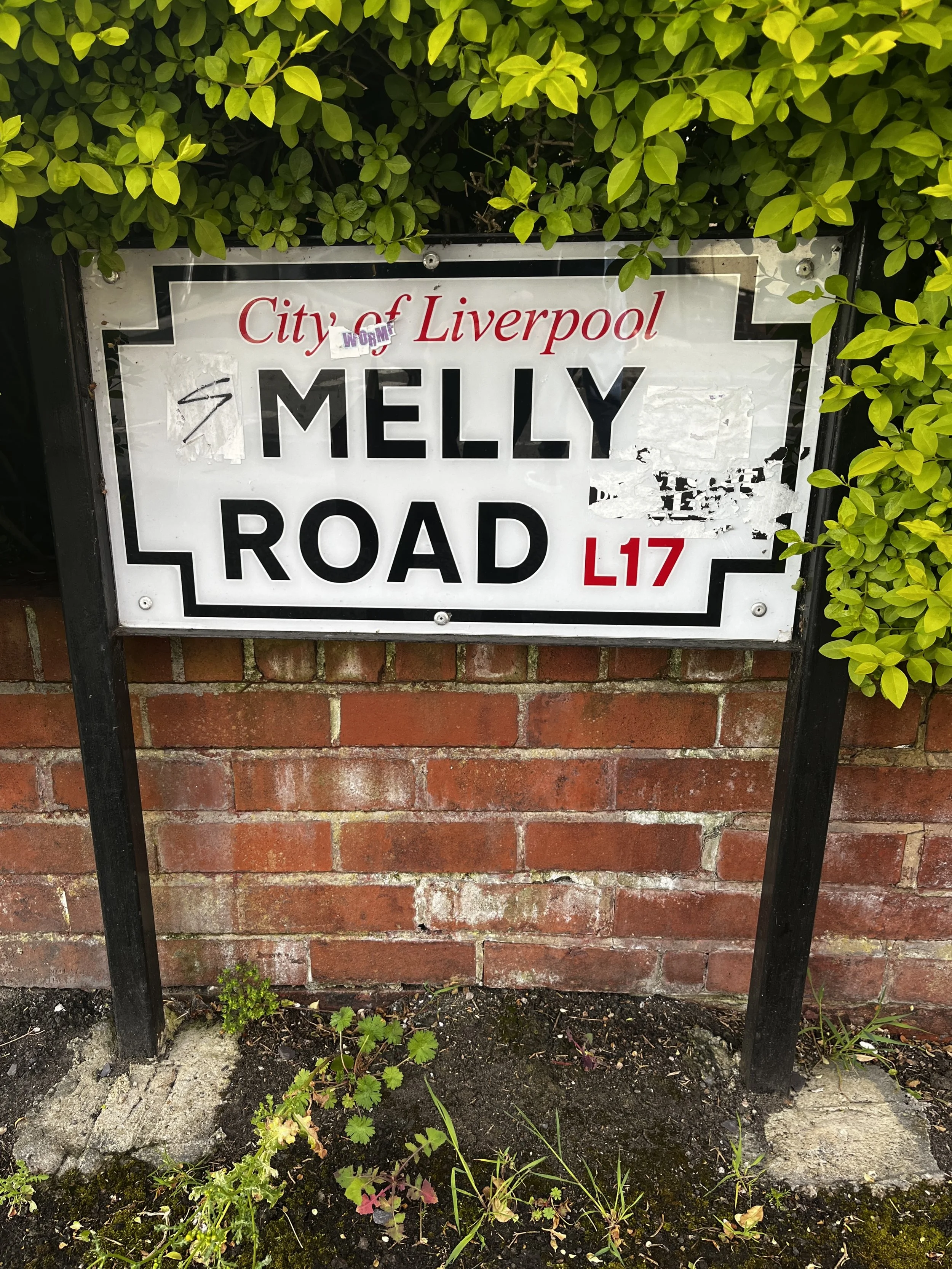
Most days of the week I walk down Melly Road – always an added S to make it SMelly – and today as I stop to take this photograph, I’m remembering that encounter and I’m summoning George’s ghost. A short walk from here is Priory Woods where George was born in a house called The Grange. The house is long gone but if you walk through the woods, you get some idea of what it must have been like here when George was a child. You get a sense-memory of his playground.
Back in the days of my youth there were certain books and artworks that seemed to point the way towards some vague Liverpool Bohemian ideal. Sean Hignett’s “A Picture to Hang on the Wall’; Thom Keyes’s ‘All Night Stand’; Adrian Henri’s painting ‘The Entry of Christ Into Liverpool’. Books and paintings like radios transmitting subversive signals. Melly’s ‘Revolt into Style’ tuned into that underground frequency, and it became a pocket guidebook for dole poets and beat truants like me. Despite being older than the artists he wrote about George was the hippest of the hip with an instinctive understanding of pop culture. ‘Revolt...’ was a portal book for apprentice nonconformists. It helped you to cultivate a certain sensibility and attitude - or at least an approximation of attitude. Liverpool became a kind of Art School where you didn’t attend lectures or tutorials you just walked the city streets, loitered in Atticus bookshop and sat in bars and cafes altering your universe. And dreamed.
I once saw George perform in the State Ballroom and he was on fire. One part Bessie Smith, one part Max Miller, one part Fats Waller, one part Alfred Jarry. The glorious booze-soaked vulgarity of him, the Soho spivery, the outrageous carnival huckster. Like a living Beryl Cook painting. The Sacred Monster quivering and grinding his fat hips like the Madam of a brothel. It was a beautiful sight.
I’m walking now from Melly Road to Ivanhoe Road to stand outside his childhood home at Number 22 and imagine George in the 1930s in the upstairs bedroom he writes about in his beautiful memoir ‘Scouse Mouse’. Sometimes when you walk the streets you tune into George’s frequencies. Sometimes you revolt into style.
For more about George, you can listen to this Backlisted episode where Andy Miller, Lizzie Nunnery, John Mitchinson and I talk about ‘Scouse Mouse’.
https://www.backlisted.fm/episodes/205-george-melly-scouse-mouse
— Jeff Young, 3 June 2026
—
Jeff Young appears, in certain stretches of Liverpool 8, at the same intervals as light rain. Locally he passes for a weather event with a coat. The houses he visits, several of which are no longer there, register him as a small drop in barometric pressure followed by the brief opening of a 1932 upstairs window onto a back garden that no longer slopes. By the time anyone walks across the road to investigate, he is half a street away, on his way to another address that is not, technically, there.
The Paphides Principle
Pete Paphides believes that the list of things you can still safely raise with a stranger has shortened to a handful. Football is on it. The weather is on it. Beyond that, you are taking a calculated risk.
This week, he brings us the song that Belle and Sebastian have written for Scotland’s 2026 World Cup campaign. Stuart Murdochpremiered it from the stage of the Royal Albert Hall. Pete was in the audience. He has been hearing echoes of 1978 ever since.
Belle and Sebastian: - ‘It Only Takes One Lion’
Right now, I’m more grateful to football than ever. If you’re in the barber’s chair and you’re not sure if the man with the scissors is about to say something awful about small boats, you can steer the chat towards football. If your dishwasher repair guy has finished the job but the tea you made him is too hot to drink, you can make the attendant chit-chat about Arne Slot and the capricious cruelty of the beautiful game. It never used to be like this. Not too long ago, small talk rarely got ugly. The closest we got to a culture war was that time two bands who played broadly similar sorts of music with almost identical instrumentation decided to release their singles in the same week. If you wanted things to stay cordial, the one thing you didn’t talk about was football.
And that’s why I’m more grateful to football than ever. Because it’s a place we can run to while we wait for some national moral reset to take place once this hellish alliance of chaos capitalists and malignant populists to be brought to account for their crimes. Not everyone will be able to get with these sentiments, but I suspect that on this topic, Belle & Sebastian and I are in the same place. I was at the Royal Albert Hall a few weeks ago, when Stuart Murdoch announced that we were about to hear a debut airing of their 2026 World Cup song ‘It Only Takes One Lion’. And the moment he said it, I had a good feeling. Mainly because the greatest World Cup Song of all time is by Scotland. I refer, of course, to ‘I Have A Dream’ by John Gordon Sinclair and the 1982 World Cup Squad, written by B.A. Robertson – the only football song that truly understands just how the fantasy of scoring a vital goal when all hope seems to be lost stalks the id of every fan.
Well, now there’s another. Here’s Stuart Murdoch singing, “And when I was young I thought I’d be the one.” And it’s that version of Stuart, I can hear merging two childhood dreams into what might be the four most romantic minutes in the entire Belle and Sebastian songbook. Back in 1978 when there was no England team to cheer on in Argentina, nine year-old me shamelessly aligned myself to Ally’s Tartan Army. Forty-eight years later, here I am listening to Stuart singing, “This is Scotland/Where you can join an army that’s for peace.” And even though England have qualified this time, I can feel 1978 me stirring back to life.
— Pete Paphides, 4 June 2026
When Do You Feel Most Like Yourself?
by Eimear Kavanagh
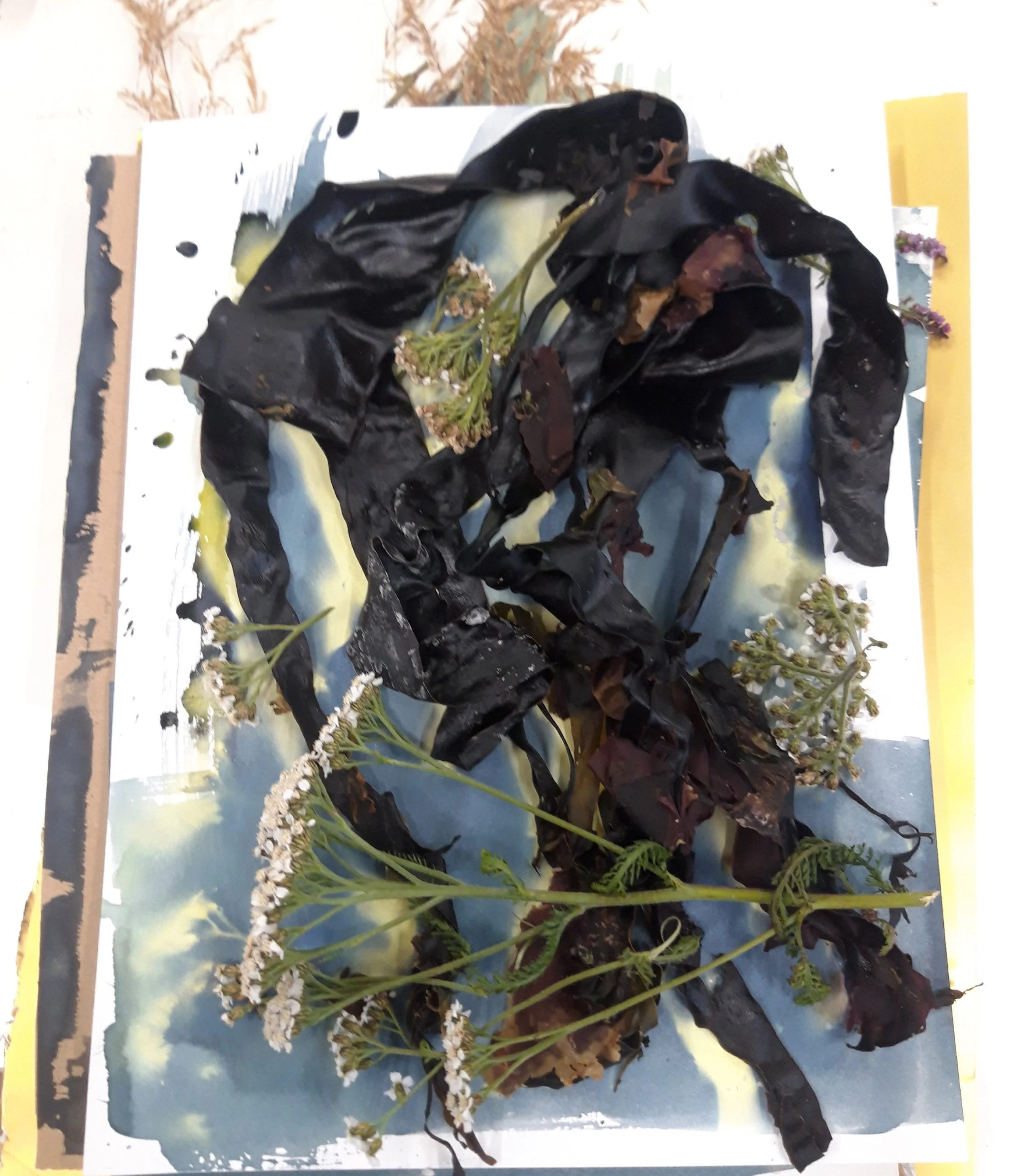
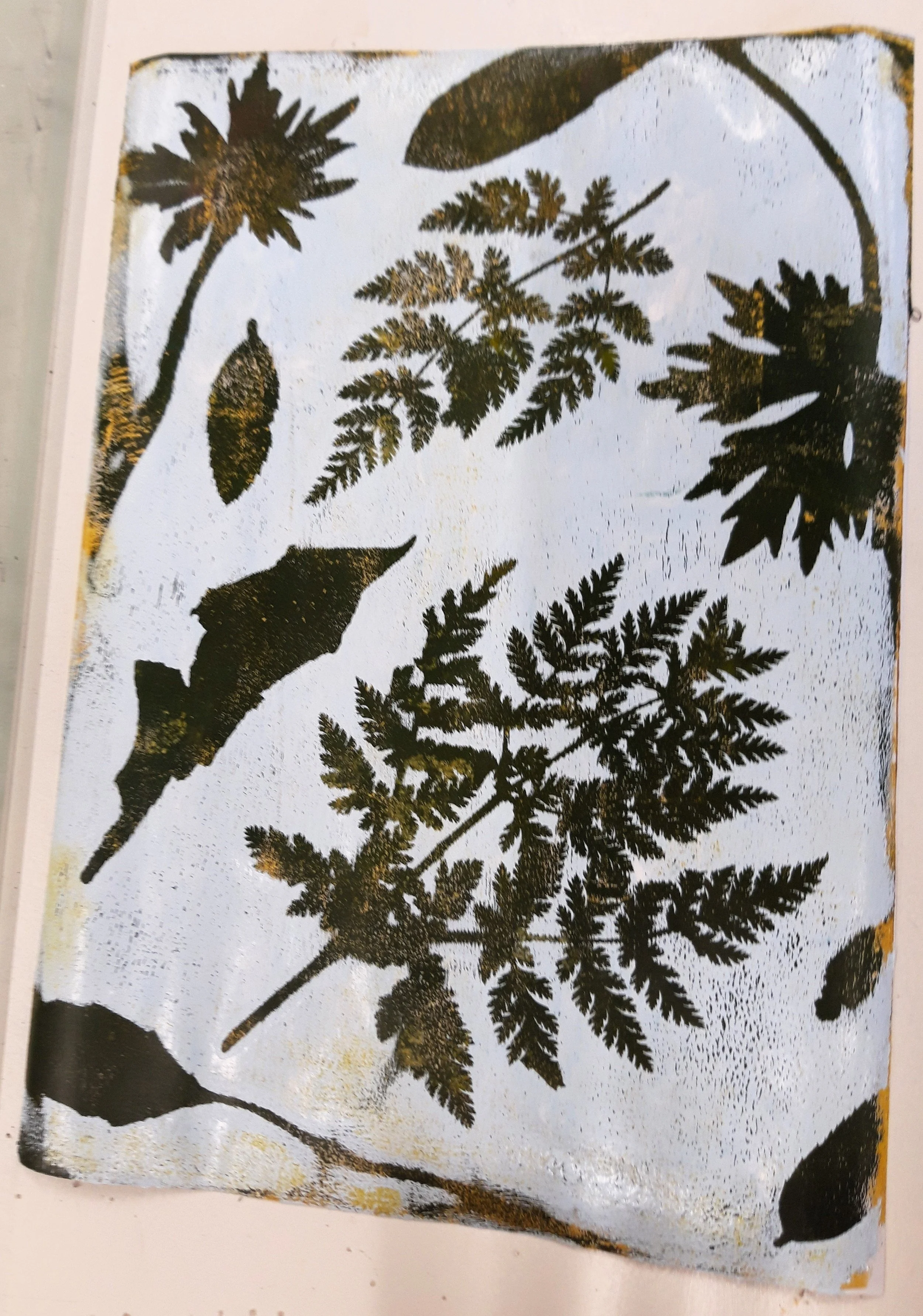
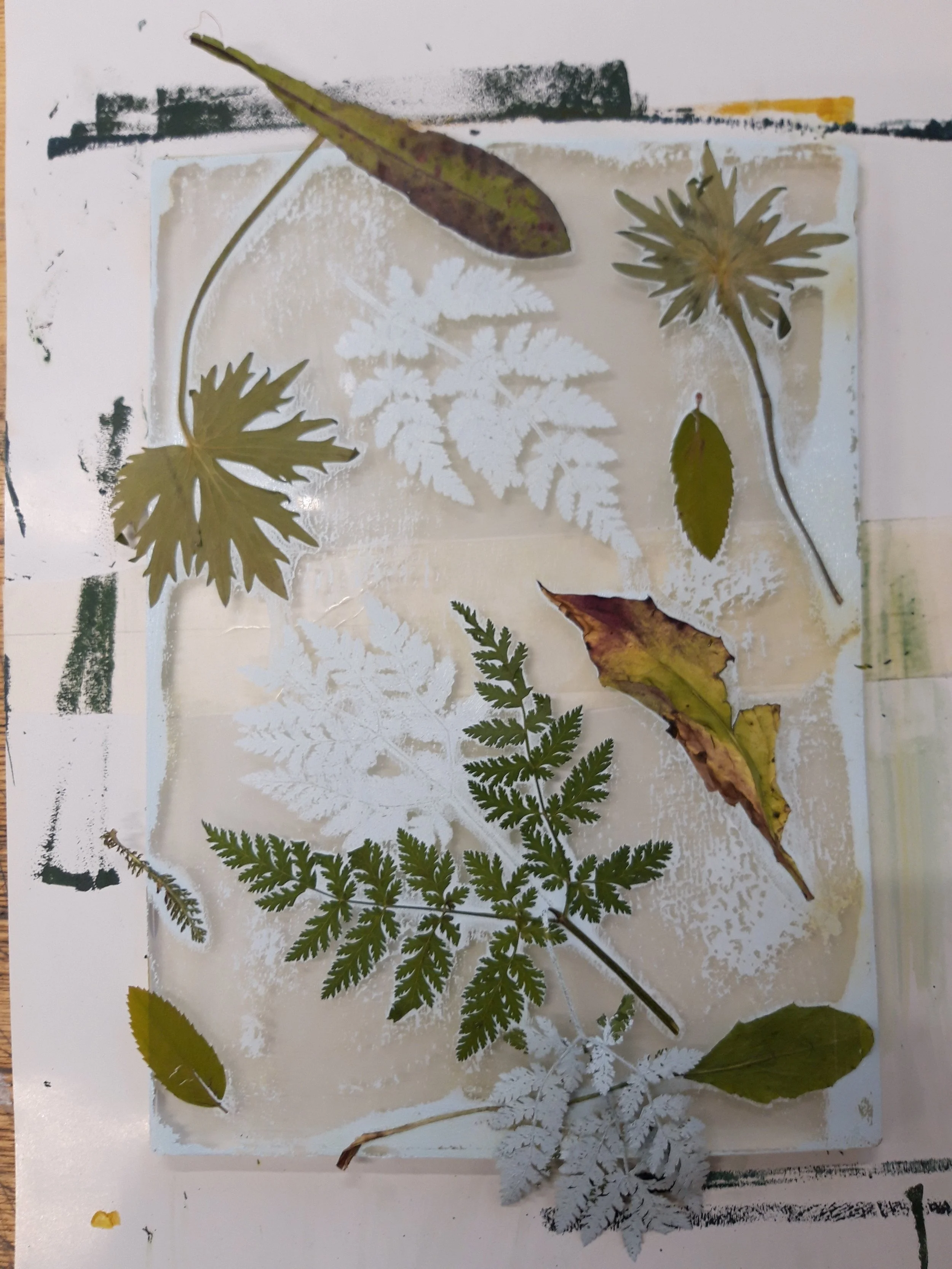
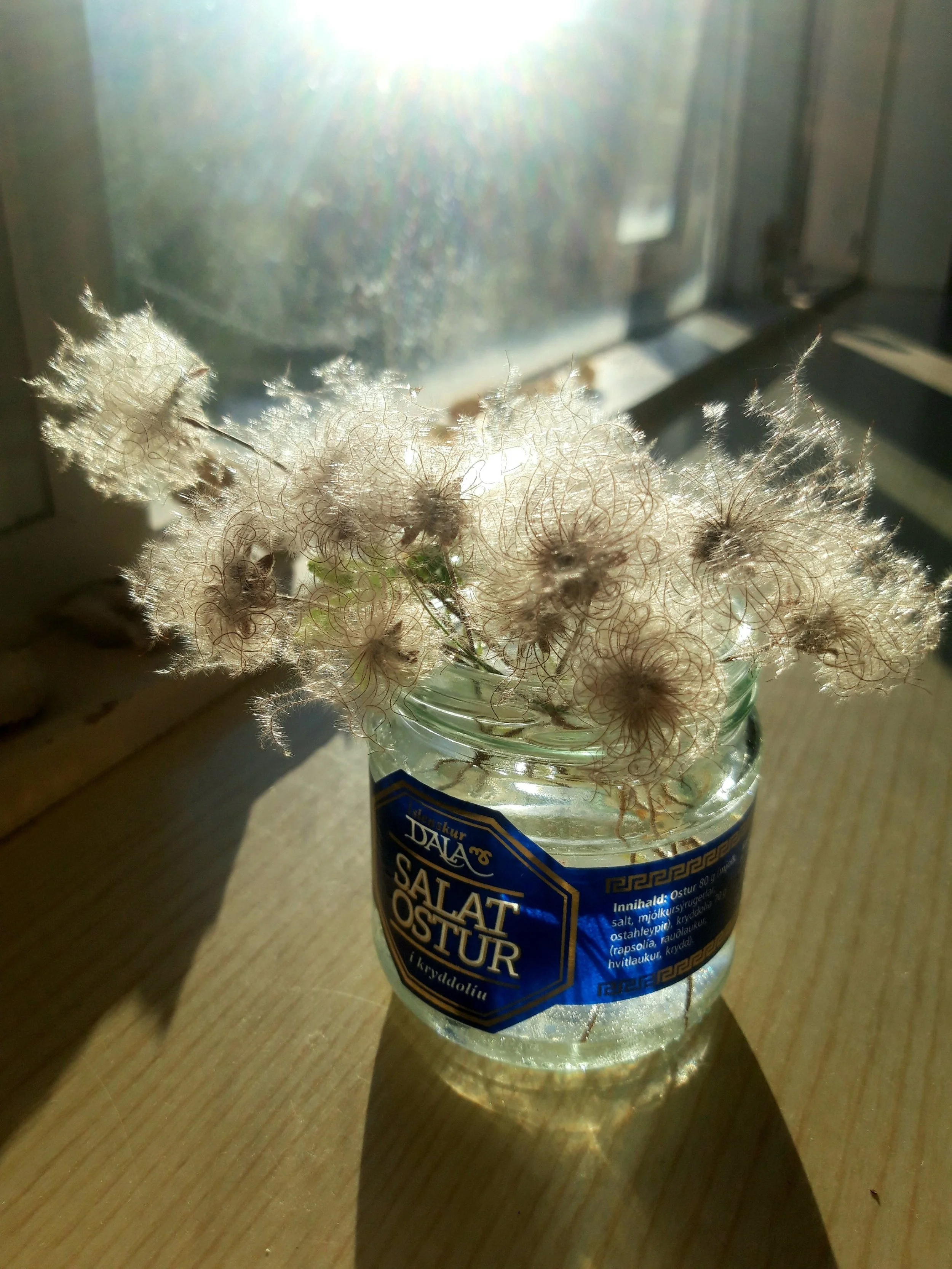
I feel most like myself when I am Foraging.
It is for nothing other than just to enjoy and be met with surprise.
It is a time where I can be by myself, just me with the land.
A place where all my senses come to feel alive.
Love, Eimear
—
The land knows when Eimear Kavanagh is walking on it & arranges itself accordingly. Mushrooms surface in the order she will want them. The light holds. Nothing she finds is a surprise to the land. It is only a surprise to her, which, as far as she is concerned, is entirely the point.
Eulogies
by Victoria Raftery
Some could win an Olivier
Applause, applause, applause
Some need others to speak the words, because, because, because
For some, it feels like homework: we try, we try, we try
Eulogies are poignant, sad; they're there to make us cry
Then, sometimes, someone goes off-script, to remedy a lie
Their words ring out like gunfire; bullets laced with love
We sit in silence, shoulders twitching
Lordy! God above!
Some eulogies are cryptic
But only if you know
The hidden words, the secret signs
The raise of an eyebrow
I could write my own, I spose
Instruct on how it's read
But does it really matter?
Let's face it, I'll be dead
No, eulogies are meant
For someone else to write the prose,
To make us weep, to make us cry,
To make us blow our nose
Some are sharp and some verbose
Some even make us chortle
If you don’t want one at your close,
You'd better stay immortal
—
Victoria Raftery has ruled out immortality on the grounds that it would mean missing her own eulogy and she has too much riding on at least one of them. She has lodged three preferred versions with a solicitor in Cheadle Hulme, ranked by who she trusts least to deliver them. The cryptic eulogy - the one with the hidden words and the secret signs - is reserved for the person most likely to laugh in the wrong places, on the grounds that they will be the only person in the room who actually understands it.
Dead Air Anthologies No. 9
by Matty Loughlin-Day
Here is the ninth instalment of Pirate Radio Shipwrecked; I try to keep these spiels separate from the music itself, so that the writing can stand alone in its own right (its own write?!) if people aren’t necessarily into the mixes or simply don’t want to listen. This time round however, I feel they are so integrally connected that I can’t separate the two, so I request your indulgence of me double fold.
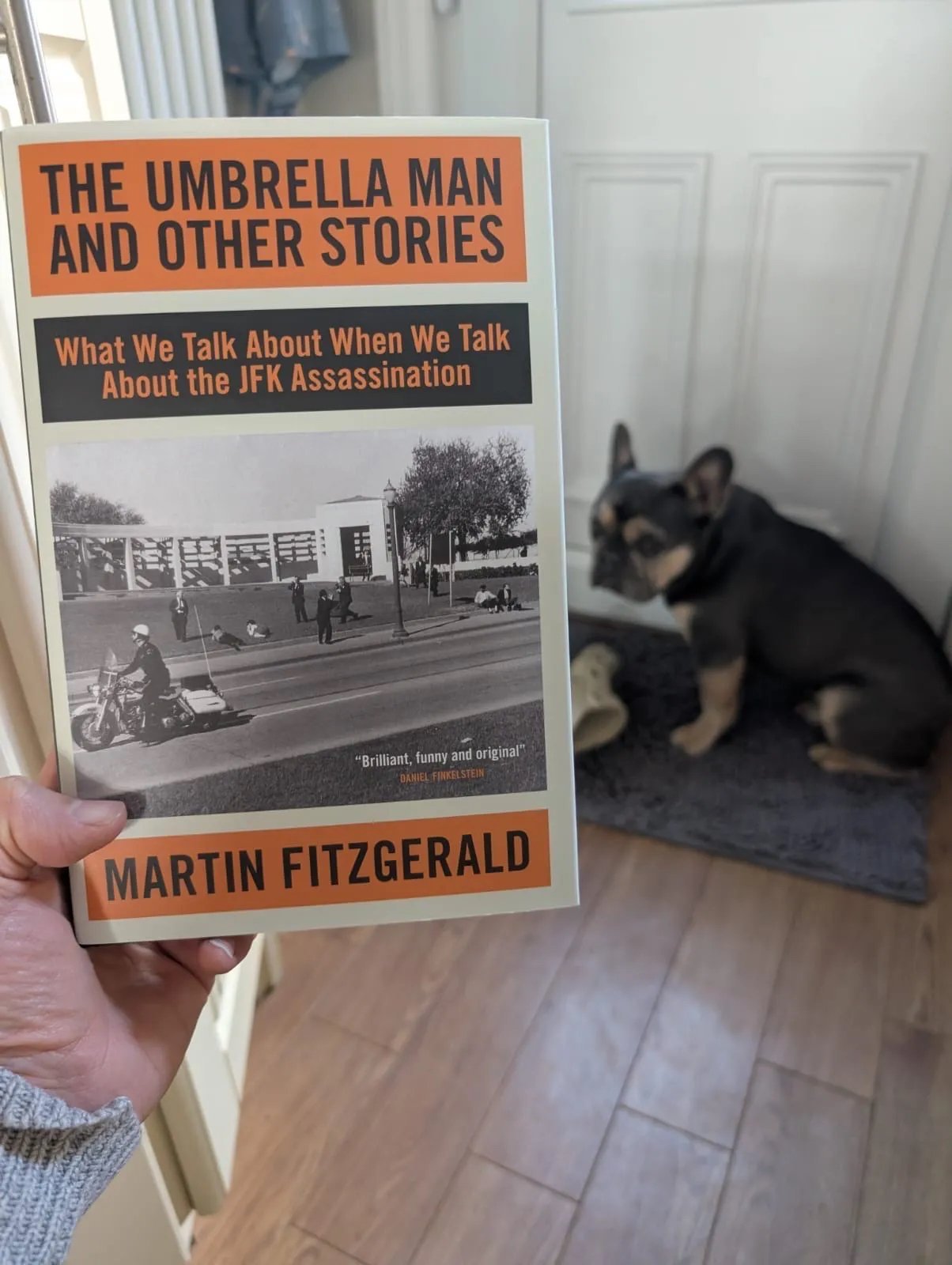
A good friend of mine, Martin Fitzgerald, has recently had a book published all about the JFK assassination and the stories of the people on the outskirts of the action. It’s called ‘The Umbrella Man’ and is fantastic. It’s humorous, warm and exceptionally engaging – I thoroughly recommend it. Anyway, Martin held a book launch event in town the other week and I popped down, as time spent with the man is always a treat.
The talk was held with Neil Atkinson, primarily known for his co-hosting of football podcast The Anfield Wrap, but a jack of all trades who can switch between topics at such events with an ease and precision, you’d swear there was a second host hidden upon a grassy knoll somewhere helping him out (that, long-suffering readers, is the clumsiest metaphor that I will ever use. I agonised over it for far too long – longer than it usually takes me to write the entiriety of one of these columns - but I was so desperate to crowbar a JFK assassination reference that I had to settle on that one. Which is probably why I’m not asked to host book launch Q&As).
It was, as to be expected, a thoroughly enjoyable affair, especially when it came to audience discussion. One theme that shone through, both from Martin and from those in attendance, was the passion that people have for this topic. Martin has always been keen to stress that he doesn’t have any particular allegiance to any single theory about the assassination, and to be drawn into that, sticking one’s flag into any side of the argument, is to miss the point; rather, Martin’s – and many other enthusiasts’ – intrigue and obsession lie in the bigger picture. The process of dissecting information, contrasting views and hypotheses and accusations – the thrill of not knowing and the pull of the unknown and unknowable. At some point, Martin, via an analogy involving Jan Molby, posited that if there ever emerged a single document that summed everything up, answered every last question and tied up every last loose end with undeniable proof, many within the JFK world – himself included – probably wouldn’t want to read it. That’s not where the passion lies.
It got me thinking of how important passions are and the things they lead us to do. To stick with this current example, Martin’s passion in all thing JFK has led him from Dallas to Liverpool, via New York and Leamington Spa, encountering endless colourful characters and gathering anecdotes that will keep him supplied in Great Stories for a long time, and I can see how it is a world one can easily get lost in, like any good passion.
In the pub, post-book launch, I was involved in a discussion with Martin and several other attendees about our various passions. I was talking with people who had written books about children’s television of the 1970s and 80s, fanatical football fans who had travelled the world in pursuit of glory, obsessional music fans who had likewise traversed the world to follow their heroes and a host of a podcast about their own passion, classic books. Some of my own passions have been fairly well documented within these columns, such as the world of shortwave and international radio, twitching and finding obscure Polish disco songs of the 80s, but there is of course one huge burning passion that looms so ever-present in my life, so ubiquitous as to be like oxygen, that naturally came to the forefront of discussion and that is of course, the silly music I make and play. The band. Lord knows this passion has led me to some brilliant places, some daft and some not-so-wonderful, and still, all these years on, occupies a sizeable proportion of my consciousness, so in such situations, most discussion, at some point comes back to it.
Passions don’t always make sense to the outsider. Why, on earth, when there is so much to be learning about the Spanish Civil War would anyone want to spend their time doing up classic cars? Why, when there is so much Bob Dylan and Miles Davis to explore, would someone spend their time doing DIY? My tongue is of course firmly in cheek there, as the person doing up a classic car or doing DIY could easily ask why I’m wasting my time reading about the War or listening to those artists – and that’s the beauty of a passion, isn’t it? It’s yours, and it doesn’t have to make a jot of sense to anyone else.
And yet. Passion doesn’t come without a cost.
A discussion I had with the aforementioned Neil Atkinson in the next pub we sauntered to on this night of the Q&A led me to consider that left unchecked and untamed, our passions can easily take as much from us as we do from them.
The conversation itself started fairly innocuously, with Neil, knowing that I’m a big Bill Callahan fan, asking me what I thought about the man’s latest album. I reflected that I think it's very enjoyable, if not quite hitting the heights of 'Sometimes I Wish We Were An Eagle' or 'Dream River' (though very little does). A third pal, Rebecca joined our conversation and asked us what albums had tickled our fancy over the last three months. At this, I grasped around and we spoke of how the latest Aldous Harding album is very good in parts and how I was looking forward to the new Kevin Morby album (I've since acquainted myself and am happy to report it is excellent), but otherwise, I was at a bit of a loss to report back on my recent musical finds.
This wrongfooted me somewhat, as I have always attempted to seek out new music and find new artists or albums to stimulate and excite me, lest the grass grow over me and I lose my touch. The conversation carried on around me and I retreated into myself somewhat to mull this over. Neil and Rebecca were by now talking about different topics and eventually drifted into other groups of people. I wasn't exactly dumbfounded or dissociating, but this quandary was increasingly bugging me.
Neil and I struck up another conversation, but I couldn't quite let this nagging feeling drop. I redirected us back to the issue of recent music and I did eventually stump up that the two recent albums from Tuareg desert giants Tinariwen and Imarhan have caught my attention, which tumbled into the realisation that for quite some time, my main passion has actually made it hard for me to let go and truly enjoy much other music. It had become all-encompassing.
It was quite the revelation. In what was perhaps a bit of a stream-of-consciousness babble for Neil to endure, I considered that, in a roundabout way, making our second album last year, 'This Blue Earth', sent me a bit mad. Being so deeply entrenched in the recording, producing and tweaking of the album meant that for about 18 months I was completely immersed in every single note of the album. At any given time, with any semblance of a free moment, I would be poring over and analysing every minute detail of the recordings. That snare drum is too loud on that verse. The bass needs to be higher here. I need to re-record that syllable. Are the bagpipes a bit much? Are there bagpipes at all there? Should there be bagpipes? I'm only half joking.
Arguably, my passion and drive for the album led me into territories best avoided, in that anything else I was encountering felt unnecessary and a waste of time - I had to get back to the sixth desk bounce of the second half of the album and pick it apart. Listening to the recordings in various stages of completion also meant that I was listening out for things that were not yet recorded, imagining, planning - driving myself loopy.
I'm not saying I'm a Brian Wilson or Lee Mavers, but this at times pushed me into the realms of the metaphysical. The songs didn't feel right, they didn't have the right colour - with the gift of distance and hindsight, I can now say of course they didn't, they weren't finished, but in speaking with Neil, I considered that for the last year or so, this has left me with the curse of dissecting and critiquing everything else I listen to. Laughing, I realised how preposterous this is - who on Earth am I to be judging that the backing vocals on 'Lonely City' by Bill Callahan needs to be further back in the mix, maybe with some reverb? What right do I, a bumbling artist with about 400 monthly listeners on Spotify, have in poo-pooing the production of the latest Big Thing on the radio? A very, very good friend in a band you likely love has sent me their latest recordings and it is going to be life-changing for anyone who hears it. It's perfect. So why does a part of me want to start pulling at the thread that says "oh, I'd make this part a bit weirder, and that element a bit louder"? As I said, it feels like a curse.
Mercifully, Neil not only understood what I was on about, but could relate. One of the many strings to his bow is his past roles as a film writer and director. He explained that the intense and extremely involved act of planning every second of his films meant that for a long time, watching any other film meant that he was removed from the actual art and was scrutinising every shot. He gave an example of watching a Scorcese film and working out and subsequently bemoaning that a single interlinking shot in between main scenes, that could not have lasted more than five seconds, must have involved about 12 different cameras, countless edits and likely cost an extortionate amount of money. This then led him to compare his own work, created on a shoestring and led him down a rabbit hole of overthinking and frustration.
"Can you watch films yet then?!" I asked, in equal parts intrigue and in search of redemption for myself. Yes, he reasoned, but it took time. It also took taking time away from the passion and time away from creating. That in itself felt like soothing balm to my burnt-out mind. Time away. The very thing I've been telling myself I can't afford - a genuine fear that in stopping or stepping away, my machineries would rust and grind to a halt. But that's self-defeating, isn't it? Time away is vital, from any passion, as it allows you to come back to it, as and when, with fresh ears and eyes, ready to immerse yourself in the very thing that hooked you in the first place. I'm sure Martin has had time away from the various theories about lone shooters and book depositaries before returning to it all, less concerned with who actually shot JFK and more intrigued by why, on a sunny day, a man held up an umbrella just as the first shot was heard. That's where the true passion lies, isn't it? Like I seem to say in so many of these columns, that's where the magic is.
The whole conversation also reminded me that the word Passion itself has an interesting etymology. It comes from the Latin word Pati, which means "to experience, to undergo, to endure". This in turn becomes Passio, which roughly refers to suffering. Therefore, the word passion literally means suffering. To have a passion is to suffer! And Christ, so often, doesn't that feel relevant? Ask any football fan. My passion certainly feels like an endurance test at times, and has brought with it its fair share of suffering - but would I turn my back on it? Abandon it? Not a chance.
So, that being said, I chewed this over in my mind for a few days and decided that I needed a palate cleanser, something fresh. Aware that I was due to make another one of these mixes, I delved back into the archive and plumped for things from further afield - no more picking at the seams and threads of the things I'd inevitably find myself comparing my own work to, or causing any more suffering! In doing this, I found myself listening to songs in different languages. I've often included them in previous mixes, but for this mix, I thought I'd go all in and renounce any song in the English language - not forever, but just while I reset my passion. So, in this mix there is Welsh indie, Estonian fiddle, Ethiopian soul and jazz and right at the end, one of the most beautiful, haunting songs you will ever hear, sang in Bulgarian. It's enough to soothe the most savage beast and temper the flames of the most troublesome passion.
—
Matthew Loughlin-Day is a Clinical Psychologist who would, if asked, prescribe himself a fortnight of Bulgarian folk music and a long walk with a French Bulldog called Stanley. He has developed, since the completion of his recent album, what his bandmates have come to call the curse of the fader hand: the inability to hear a finished record without wanting to rebalance the snare drum on the second verse. The condition is treatable. The treatment involves listening to music in languages he cannot translate, ordering another round in pubs whose names he has not committed to memory and a strict prohibition on opening the running order of This Blue Earth to check whether the bagpipes really did need to be a tiny bit higher in the verse. Dr Matty will see you now…
The Cult Continuum
with Matthew McPartlan
Matt McPartlan is four pieces into The Cult Continuum and has already made clear that he will not respect category.
This issue's anchor is 'Shakey Dog,' track two of Ghostface's 2006 album Fishscale. The opening line is an instruction to the listener to buckle up. What follows is set in uptown Manhattan and takes in, on its way to a shootout, a car smelling of fish from 125th Street, a pair of S.Carter trainers ruined by tartar sauce and a pitbull called Bruno. Then the shootout. Then the song ends. No chorus. No release.
Matt reckons that the songs that stay are the ones that take you somewhere you have never been and could not have invented. They convince you for four minutes that you were possibly always supposed to be there. Buckle up one more time y’all…
#4 Shakey Dog — Ghostface Killah
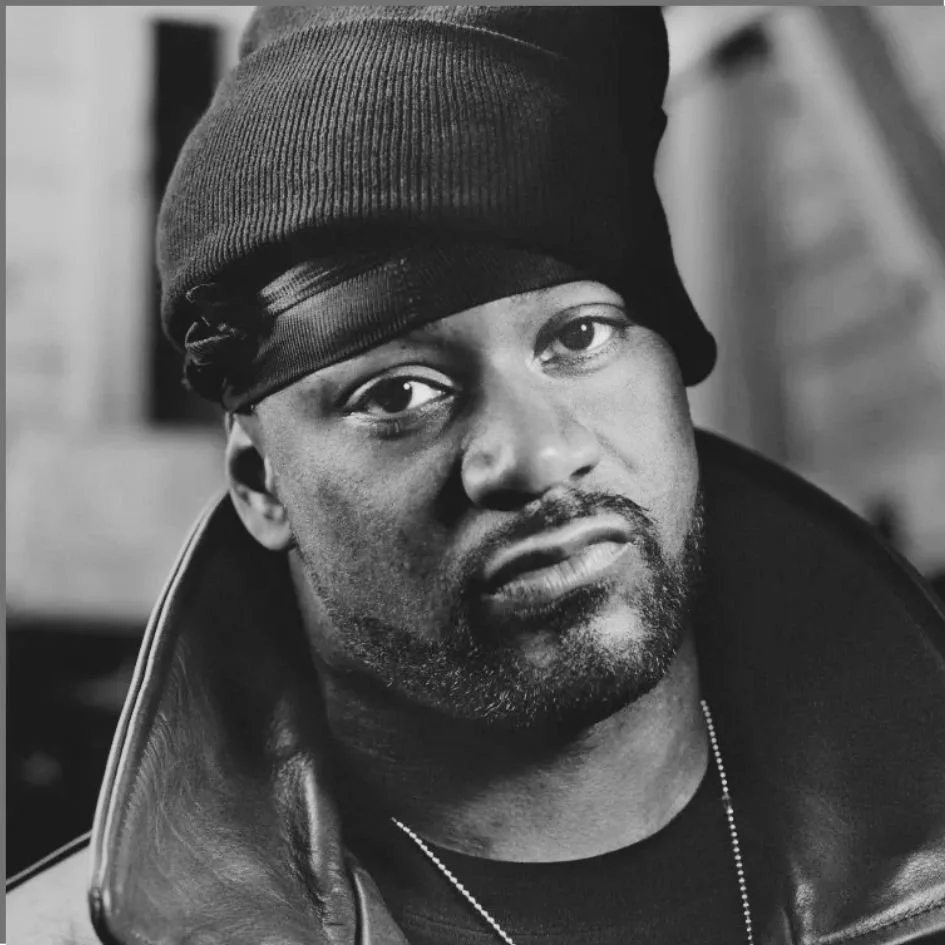
There’s a small category of songs that live outside albums. “Go to” tracks that are a mainstay on any compilation CDs, mixtapes, or playlists that we lovingly made for other people.
Ghostface Killah’s ‘Shakey Dog’ has been one of those songs for me for years.
Like most people of a certain age, my relationship with hip hop recalibrated when I heard Enter The Wu-Tang (36 Chambers) by The Wu-Tang Clan. The wave of solo records that followed, released in quick succession between 1993 and 1995 felt like the centre of the genre had shifted somewhere darker and grittier and I loved it.
After these initial releases, the quality of the output dipped and inevitably my attention turned elsewhere whilst still dipping into the ‘classics’ from time to time.
I bought Fishscale on a whim from Probe Records the week it was released, drawn in by the album cover’s blend of menace and shabby swagger. It had been 12 years since Enter the Wu-Tang (36 Chambers) and my interest in hip hop had returned after overdosing on slowcore, alt-folk and downbeat guitar records. At the time I was revisiting classic Wu-Tang solo albums, from GZA’s Liquid Swords to Raekwon’s Only Built 4 Cuban Linx…, so finding it there in the CD racks felt strangely well timed.
Unlike many Wu-Tang solo records, Fishscale feels complete in itself: not an offshoot or a side project, but a fully realised Ghostface Killah album. ‘Shakey Dog’ was the track that stood out, demanding immediate repeated listens.
The premise of the track is straightforward. Ghostface, as his alter ego Tony Starks and his accomplice; Frank are preparing to rob a drug dealer. The song follows the preparation and execution of this act. No metaphor, no smoothing of the edges just a visual narrative.
It works through tension and immediacy, gripping the body as much as the mind to get the heart racing. It’s storytelling in its most classical sense, played out over the loop of the 1970s soul record, ‘Love Is Blue’ by Johnny Johnson and the Bandwagon. Whereas many story telling songs tell the complete story, this is a vignette, an episode in a larger production which makes it all the more visceral.
The song plays like a scene from The Wire. It opens in the car, Ghost and Frank talking through the job. Mundane details creep in. The cost of the cab fee, tartar sauce spilled on shoes whilst loading the guns, food, throwaway lines that seem casual until you realise they are doing all the character work. You start to see it and not just hear it.
Describing the scene, Ghostface gives warning about the old woman in the doorway to his accomplice. Frank is dismissive. Ghostface pauses the narrative to give her shape, to give her backstory (a story within a story), warning Frank directly: “She work for Kevin, she’s about 77, She paid her dues when she smoked his brother in law at his bosses wedding, Flew to Venezuela when the big fed stepped in”. It’s one of the many small triumphs in the song .
From there, the story and tension builds. They enter the building. The stairwells, the hallways, the smell of fried onions, Sandford and Sons on the TV, the tension sitting just beneath the surface. The surprise. The inevitable shootout arrives with poetic descriptive urgency. I can picture everything in my mind. Ghost laying on the floor, the dealer’s Hispanic wife firing a shot and kick from the gun breaking her wrist, the bulldog, the chaos. The beat doesn’t shift to acknowledge it though, but there’s more urgency in Ghostface’s cadence until the ending. No chorus, no release. No moment to reset yet irresistibly catchy and impossible not to nod your head in time.
I’ve never lived in the world Ghostface Killah describes but that is not important. The song doesn’t pull you in through familiarity. It pulls you in through detail, through movement, through the feeling that something is about to go wrong at any moment.
There is an arrogance in expecting art to reflect us back to ourselves, as if its value depends on our ability to relate. Some songs exist at a distance. They deal in heightened reality, in drama, in other people’s lives unfolding under pressure.
‘Shakey Dog’ belongs in the Cult Continuum because it has become a trusted artefact. There’s no glorification of the lifestyle or situation, it’s not social commentary but a vividly played out scene that transports you into a world that isn’t yours.
That’s why it endures. That’s why, when push comes to shove, it’s always one of the songs pulled quietly from the bag, knowing with satisfaction that it will land. To quote Ghostface himself from one of the song’s opening lines “It’s real mutherfucking shit”.
— Matthew McPartlan, 2 June 2026
The Gen Alpha Lexicography
by Maya Chen
23: 'Sigma' (The Algorithm of Solitude)
Etymology: The eighteenth letter of the Greek alphabet, σ, recently rebranded as the preferred identifier of any adolescent boy who has decided that needing other people is, on balance, "cringe."
My son, age eleven, came down to breakfast last Tuesday with what I can only describe as a face. He took his cereal in silence, refused the offer of a lift to school and stood at the front door staring at the middle distance with the studied affectlessness of someone modelling a watch. When I asked if he was alright, he replied, without looking at me, "I'm not in a phase, Mum. I'm just sigma."
I made the mistake of asking what that meant. He explained, with the patient condescension of a man explaining gravity to a flat-earther, that a sigma is someone who needs no one. "Like a lone wolf, but on his phone."
'Sigma' originated in 2014 in the writing of a fringe blogger who proposed it as a rank above the tired alpha/beta dichotomy: the man who does not compete in the social hierarchy because he sits, magnificently, outside it. The term lay largely dormant until TikTok dragged it from its incel basement in 2021, scrubbed off the worst of the politics and handed it to teenage boys as an aesthetic. Patrick Bateman in slow motion. Tom Riddle staring through a window. A soundtrack of synth wave and shallow breathing. The sigma is the gym selfie that pretends not to know it has been posted.
The funniest part is the volume. The sigma, in theory, does not require approval. The sigma, in practice, posts about not requiring approval roughly twice a day. He films himself walking through a car park to slowed-down Mitski. He captions a photograph of his own back with the observation that they don't make them like this any more. He is, in linguistic terms, a contradiction performing itself in public, and in parental terms, an eleven-year-old who has refused his packed lunch for the fourth time this week.
What 'sigma' captures, beneath the pose, is a generation negotiating a real anxiety with a manufactured aesthetic. To be a boy online in 2026 is to be told constantly that you must either dominate or disappear. 'Sigma' is the wardrobe in which a child can pretend to disappear while remaining entirely visible. It is the costume of a refusal that has not, in fact, been refused. It is, in its way, quite sad. It is also, I should note, almost entirely fixed by lunch.
Next time: 'Aura' – the imaginary points system that has replaced the concept of a soul.
—
For research purposes, Maya Chen attempted to attain Sigma status from within the household, principally by refusing to acknowledge the dishwasher and walking through the hallway in slow motion. The dishwasher has remained refusable. The family has not. Her son has informed her, with some sadness, that a 'Mum Sigma' is not a recognised category and that she is therefore in breach of the framework. She has spent the week compiling a counter-taxonomy in which the highest-ranking subtype is the one who silently empties the dishwasher anyway, on the grounds that the algorithm cannot detect what no one filmed.
The Day Sheet
by Donna Marsh
01: The Per Diem
Sunday evening, Brussels, 11pm. The band is on stage at the Botanique doing the encore. I am upstairs in the production office counting out per diems for the next morning.
Per diems are cash. They have to be cash, because half the band do not have UK banking that works abroad without a £4 transaction fee, and the drum tech specifically asks for €20s because he buys cigarettes at petrol stations. So you arrive at the bank in Dover on the morning of the ferry with a debit card belonging to the management company, draw out €4,690 in two visits because the daily withdrawal limit is €2,500, and you carry it in a black Tour Bible folder, in envelopes, until the end of the run.
There are five band members and four crew. Per diem is €35 a day for band, €40 a day for crew. The crew rate is higher because nobody is buying them lunch.
Over a fortnight, that is €4,690. I am counting it out, in twenties and tens, into nine envelopes with names on the front. Adam, Joe, Mikey, Tom, Ruth. Then Cliff (FOH), Sam (monitors), Dan (drums), Maria (lights). I do this on Sunday at the end of each travel week. If I do it on Monday morning before bus call, somebody will be hungover and unable to count and there will be a half-hour disagreement about whether they got Tuesday's already.
The reason I am telling you this is that the per diem is the only money on the tour the artist actually sees. Everything else is theoretical. The promoter pays the fees to the agent's escrow. Agent and management take 30% between them. The lawyer is on retainer regardless. The recording costs are recouping against the publishing. The band's individual bank cards are funded out of the next album advance, which has not yet cleared. What is left arrives in the band's account six to eight months later, after the European VAT reclaim, in a lump sum that lands during a rainy week in March.
For a fourteen-date European on the mid-tier indie circuit, a working band member earns roughly nothing.
The tour gross, after agents and crew wages and bus rental and fuel and hotels and visa carnets, returns to the management company at the end. Management deducts the per diems they have just advanced for petty cash, plus the recoupable production costs, plus the tour insurance, plus the contingency they have already spent. What is left is the band's settlement, split between members.
In a good year that settlement is £2,500 per member. A normal year is closer to £800. My main act in 2023, a five-piece who played to roughly nine thousand people across thirty European dates, received a per-head settlement of £214 each, after fourteen months of work.
This is also why the per diem matters. The €35 a day, multiplied by 14 days, is €490. After the run, the VAT, the recoupment and the manager's explanation that merch revenue does not in fact cover the merch person, the €490 is often the largest single payment the artist sees from a six-week period of work.
Bands know this. The good ones don’t complain. They take the envelope, count the money, put it in their wash bag, and the next morning they buy a bottle of water and a Yorkie at the Aire de Service Vémars on the way back to the ferry.
The reason the per diem is cash is because nobody trusts anybody about anything else on a tour. Cash you can see. Cash goes in your wash bag. Everything else arrives as an emailed PDF three months after the date in question, which the band is meant to interrogate but will not, because by then they are in pre-production for the next record and arguing about something else.
I started doing this work in 2002. The PD rate then, for a UK indie tour, was £15. The rate now is £25, when I can get it agreed. £25 in 2026 is, by official UK inflation, worth £11.40 in 2002 money. The per diem has gone backwards. So has everything else.
I no longer manage bands directly. I run a small agency that places production crew on European tours. But I still do an old client's run every spring, partly out of loyalty and partly because the manager pays me cash. I count the per diems out on Sunday night in whatever hotel room I am in, with the door bolted, and I sleep with the envelopes in a Decathlon bag under the bed because I have, twice, had a hotel room broken into specifically for the cash.
Both times in Genoa.
Shadow Songs
by John Canning Yates
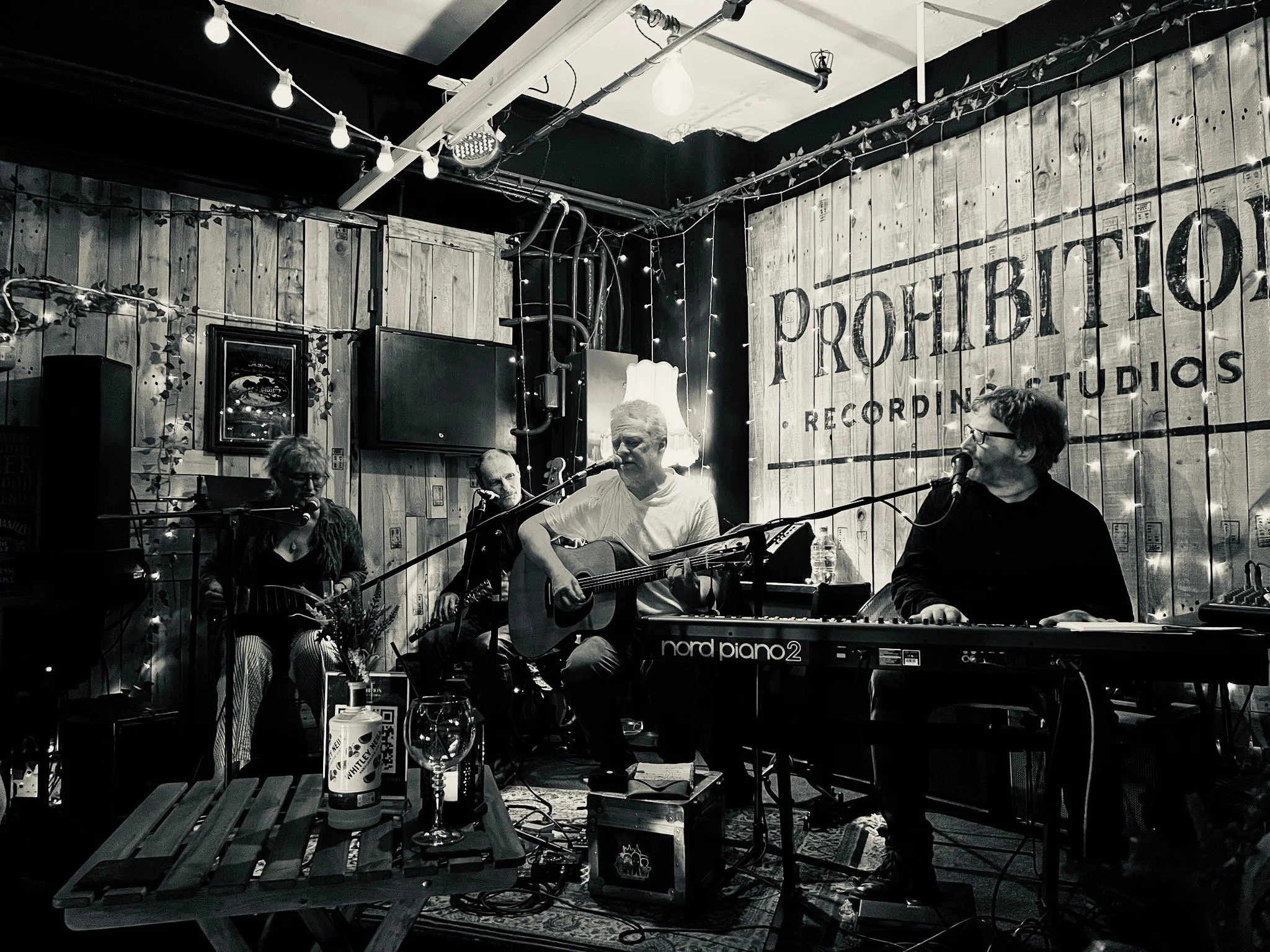
I had the honour of playing a few gigs with John Douglas of Trashcan Sinatras around the time of my solo debut a couple of years ago. I supported him and also joined him for a few of his beautiful songs. When he played in Liverpool, his wife, Eddi Reader, came along too, so getting to play and sing with both of them is one for the memory box. It was a really important time for me, reminding me of the joy of collaboration.
Last Friday they returned to Liverpool and my favourite venue, Prohibition Studios, in support of their first album together, due out later this year. It was one of those gigs you come home from and immediately want to make music. I had to figure out ‘Wild Mountain Side’ as soon as I got home. Such a beautiful song, an original, written by John Douglas, somewhat confusingly, appearing on Eddi Reader's album The Songs of Robert Burns. Anyway, as is so often the case with John, the songwriting is awe-inspiring.
This version might be a little rough around the edges, especially after hearing Eddi singing it so gracefully, but it kept me up until the early hours, hearing the Highlands call. Songs can just take you there, can't they? Only a mile to go….
— JCY